


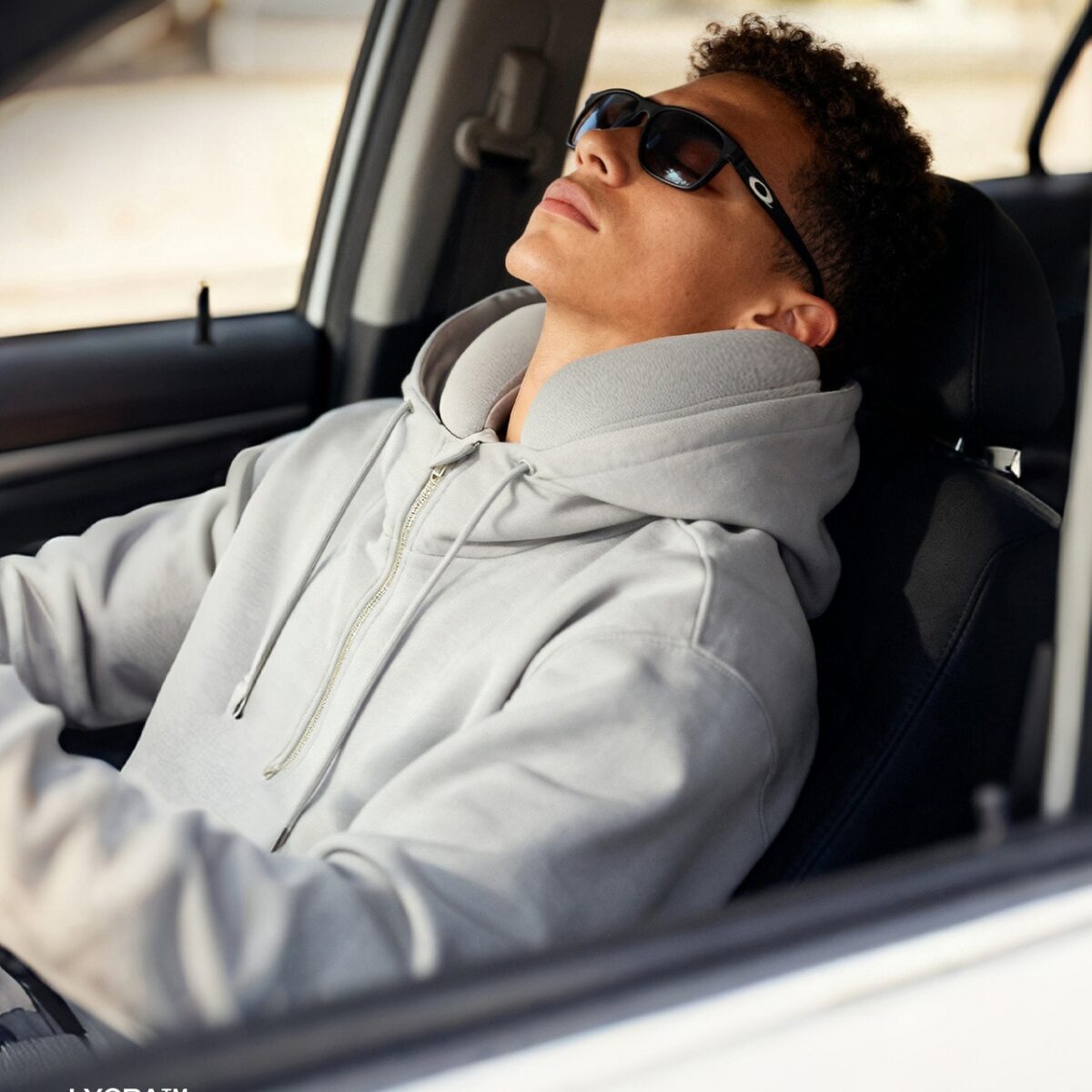
Custom functional clothing is situated at the meeting point of technological innovation, advanced materials, ergonomic design, and the increasing popularity of performance-oriented clothing. What was once exclusively reserved for military experts, mountaineers, or high-end athletes has become an expansive industry that supports outdoor enthusiasts, professional athletes, medical professionals, and everyday consumers.
From fibers that wick moisture at the molecular level to temperature-appropriate fabrics, functional patterning, and optimized digitalization, functional clothing has revolutionized the concept of what clothing can accomplish. This article surveys the multiple aspects of custom functional clothing, including technology, science, materials, manufacturing, user-specific design, industrial potential, and future innovations. It provides a comprehensive and detailed understanding of the textile industry that is appropriate for manufacturers, designers, engineers, and professionals who work with advanced textile technology.
The Evolution of Function in Apparel
Clothing was previously simple protection from cold, heat, or physical contact. Over time, apparel has become a cultural tribute, a symbol of devotion, and a statement of fashion. However, the 20th and 21st centuries added a new dimension to the entirely different equation: functionality.
Functional apparel is intended to enhance human capabilities, provide physical protection, regulate body conditions, support movement, and have special capabilities like waterproofing, flame resistance, or biometric monitoring. When customization is incorporated into the equation, functional clothing becomes more than just advanced; it is also personalized to the user, their environment, body type, and movement patterns.
Custom functional clothing is now a central part of industries such as:
-
Outdoor and sports equipment
-
Military and tactical gear
-
Medical and rehabilitation garments
-
Industrial safety workwear
-
Smart textiles and wearable technology
-
Corporate uniforms
-
Experimental fashion technology
The rise of customization reflects a broader shift from mass production to individualized performance solutions, where garments are engineered for specific users, specific environments, and specific tasks.
What Defines Functional Clothing?
Functional clothing goes beyond aesthetics. It incorporates performance-driven features designed to achieve measurable benefits. Common examples include:
-
Moisture transport and rapid drying
-
Thermal insulation or thermoregulation
-
UV protection
-
Abrasion resistance
-
Flame retardancy
-
Waterproofing and windproofing
-
Antimicrobial and odor control
-
Compression support
-
Stretch and mobility optimization
-
Impact absorption
-
Weather adaptability
These functions rely on a combination of material science, fabric architecture, and structural garment engineering. In custom functional clothing, these capabilities are selectively applied based on the user’s needs, making every piece purpose-built.
The Science Behind Functional Textiles
The backbone of functional apparel is its material composition. Modern functional textiles use an array of engineered fibers, chemical coatings, membrane layers, and microstructures.
Synthetic Performance Fibers
The most widely used performance fibers include:
-
Polyester – hydrophobic, fast-drying, durable
-
Nylon – high abrasion resistance, strong, lightweight
-
Spandex/Elastane – exceptional elasticity
-
Polypropylene – low-density, moisture-repellent
-
Acrylic-based thermal fibers – mimicking wool-like insulation
These fibers often outperform their natural counterparts in durability and functional behavior.
Natural Fibers with Enhanced Capabilities
Natural fibers remain crucial, especially when enhanced through modern processing.
-
Merino wool – natural thermoregulation, antimicrobial
-
Bamboo charcoal fibers – odor control, breathability
-
Organic cotton – comfort-focused functional wear
-
Silk blends – lightweight thermal protection
Custom clothing may blend natural fibers with technical components to balance comfort and utility.
Membrane Technology
Membrane layers revolutionized functional apparel by enabling fabrics to be both waterproof and breathable. Examples include:
-
PU (polyurethane) microporous membranes
-
PTFE-based membranes like ePTFE
-
TPU elastic membranes for stretch performance
The microscopic structure allows water vapor to escape while blocking liquid water, creating weatherproof yet comfortable garments.
Coatings and Finishes
Surface treatments add additional protective qualities:
-
DWR (durable water repellent)
-
Silver-ion antimicrobial finishes
-
Ceramic particle coatings for abrasion resistance
-
Reflective treatments for nighttime visibility
-
Infrared heat-retaining coatings
Custom functional clothing often tailors these coatings to specific environments, such as maritime, desert, cold climate, or industrial settings.
Ergonomic Design and Biomechanics in Custom Clothing
Beyond materials, functional apparel must support movement, reduce fatigue, and optimize comfort. This requires an understanding of biomechanics, the science of how the human body moves.
Pattern Engineering for Mobility
Custom functional clothing uses advanced patterning to accommodate natural human motion:
-
Articulated knees for climbing pants
-
Gusseted underarms for dynamic upper-body movement
-
3D structured elbows
-
Pivot panels and stretch zones
-
Zoned compression
These features reduce fabric tension, improve flexibility, and prevent tearing under stress.
Fit Customization
Custom-fit functional clothing is particularly important in:
-
Tactical uniforms
-
Protective workwear
-
Sportswear
-
Cycling gear
-
Medical compression garments
Precise body measurements help eliminate unnecessary bulk, minimize resistance, and enhance performance.
Pressure, Support, and Load Distribution
The design also integrates concepts from sports medicine:
-
Graduated compression for circulation
-
Pressure mapping for load-bearing equipment
-
Support structures for joints
-
Impact-absorbing inserts
Experts combine textile engineering with physiology to produce garments that reduce fatigue and injury risk.
Categories of Custom Functional Clothing
Functional apparel spans many industries, each with specialized requirements. Below are the major categories.
Outdoor and Sports Performance Wear
High-performance garments for running, hiking, climbing, skiing, cycling, and water sports rely on:
-
Weather resistance
-
Breathability
-
Insulation
-
Sweat management
-
Lightweight strength
Customization helps tailor garments to geographic climate and activity type.
Workwear and Industrial Safety Clothing
Workwear must meet strict safety standards:
-
High-visibility uniforms
-
Flame-resistant (FR) garments
-
Anti-static and arc-flash protection
-
Cut-resistant apparel
-
Chemical-resistant suits
Customized workwear improves safety, fit, and productivity.
Military and Tactical Clothing
Tactical gear demands:
-
Durability
-
Concealment
-
Weather adaptability
-
Load carriage integration
-
Heat and cold management
Custom tailoring improves mobility, silent movement, and endurance under extreme conditions.
Medical and Rehabilitation Clothing
Custom functional medical clothing includes:
-
Compression garments
-
Posture-corrective apparel
-
Physiotherapy support wear
-
Pressure-management clothing
These garments combine functional textiles with clinical ergonomics.
Smart Clothing with Embedded Electronics
A rapidly growing sector where apparel integrates:
-
Biometric sensors
-
Heart rate or respiration monitoring
-
GPS trackers
-
E-textiles with conductive fibers
-
Thermoregulated heating zones
Custom engineering ensures proper body contact and signal accuracy.
Corporate and Brand-Specific Uniforms
Companies increasingly choose functional uniforms for:
-
Outdoor service staff
-
Delivery drivers
-
Hospitality teams
-
Security personnel
These uniforms often require stretch, comfort, stain resistance, and weather adaptability.
The Customization Process: How Functional Clothing Is Actually Made
Creating custom functional apparel requires collaboration between designers, material scientists, engineers, and production teams.
Needs Assessment
The process begins by understanding:
-
User identity
-
Intended activity
-
Environmental conditions
-
Required functionality
-
Durability expectations
Clear analysis ensures precise material and design selection.
Material Selection
Manufacturers consider:
-
Fiber type
-
Fabric structure (knit, woven, bonded, laminated)
-
Coatings and finishes
-
Mechanical properties (stretch, strength, breathability)
Every decision affects performance.
Digital Patterning and Body Scanning
3D body scanning technologies allow:
-
Highly accurate measurements
-
Custom patterns
-
Fit optimization
This reduces trial-and-error sampling.
Prototype Manufacturing
Prototypes undergo:
-
Fit testing
-
Movement simulation
-
Environmental testing (rain, wind, UV)
-
Durability assessments
The iterative process ensures real-world functionality.
Advanced Manufacturing Techniques
Production may incorporate:
-
Laser cutting for precision
-
Seam sealing for waterproof garments
-
Bonded seams instead of stitched seams
-
3D-printing reinforcement elements
-
Electronic module integration
Functional clothing demands more complexity than casual apparel.
Performance Testing and Verification
Testing is crucial since functional clothing must perform reliably.
Laboratory Environmental Testing
Includes:
-
Water column pressure tests
-
Moisture vapor transmission rate (MVTR)
-
Abrasion resistance (Martindale or Taber tests)
-
Tear and tensile strength
-
UV protection rating
These metrics help validate fabric claims.
Field Testing
Outdoor athletes, soldiers, workers, or professionals test prototypes under actual conditions:
-
Rain exposure
-
Extreme temperature
-
High humidity
-
Constant movement
-
Long-duration performance
Feedback loops help refine final designs.
Standards and Certifications
Depending on region and industry, garments may require:
-
EN ISO protective wear standards
-
ASTM standards
-
NFPA fire resistance standards
-
OEKO-TEX chemical safety
-
Bluesign environmental compliance
Compliance adds trustworthiness and safety assurance.
Sustainability in Functional Clothing
Sustainability has become an essential dimension in textile engineering. Functional apparel must evolve without harming ecosystems.
Recycled Technical Fibers
Manufacturers now use:
-
Recycled polyester (rPET)
-
Regenerated nylon from ocean plastics
-
Recycled elastane blends
These materials undergo strict performance testing to ensure durability.
Eco-Friendly Membrane Systems
New biodegradable or solvent-free membranes reduce environmental impact while maintaining performance.
Durable Design Philosophy
Long-lasting clothing is inherently sustainable. Custom functional wear reduces waste by minimizing overproduction and improving user satisfaction.
Repairability and Modular Components
Outdoor functional clothing increasingly incorporates:
-
Replaceable zippers
-
Modular reinforcements
-
Detachable components
This extends garment lifespan.
Custom Functional Clothing in the Modern Market
Demand continues to rise as users expect apparel to perform, protect, adapt, and personalize.
Consumer Expectations
People now expect clothing to:
-
Protect them
-
Improve performance
-
Reduce discomfort
-
Last longer
-
Adapt to environments
Customization enhances satisfaction and brand loyalty.
Corporate and Industrial Growth
Companies use customized functional uniforms to:
-
Improve worker efficiency
-
Strengthen brand identity
-
Provide comfort for long shifts
This drives consistent demand in logistics, transportation, hospitality, and manufacturing sectors.
Outdoor and Lifestyle Expansion
Outdoor culture, adventure travel, and fitness movements have sparked a surge in high-performance consumer apparel.
Technological Integration
Smart clothing and AI-driven customization platforms will continue redefining the market.
Future Trends in Custom Functional Clothing
Looking forward, the field of functional apparel is undergoing transformative innovation.
Smart Textiles and Wearable Technology
Expect further integration of:
-
Conductive yarn
-
Flexible sensors
-
LED-based signaling
-
Temperature-responsive fibers
-
Wireless transmitting modules
Smart garments will provide real-time biometric data and environmental response.
Bioengineered Fibers
Scientists are developing:
-
Spider silk protein fibers
-
Algae-based sustainable fibers
-
Bacterial cellulose structures
These bring extraordinary strength, flexibility, and eco-friendliness.
10.3 Temperature-Adaptive Clothing
Using phase-change materials (PCMs) and microencapsulation, future garments will dynamically regulate heat.
10.4 AI-Powered Customization
AI algorithms can analyze:
-
Movement characteristics
-
Body shape
-
Climate data
-
User preference patterns
This will automate and enhance garment personalization.
10.5 Integration of Exoskeleton Elements
Soft exosuits will merge with functional apparel to support:
-
Lifting tasks
-
Endurance enhancement
-
Injury prevention
The line between clothing and equipment will blur.
Custom functional clothing is the most advanced form of apparel yet to be developed. It combines the function of design with the science of textile engineering, and it addresses the needs of personal customers with the advanced technology that they require. It demonstrates a shift in society towards performance-based textiles, sustainability, and customization at the individual level.
Whether intended for outdoor exploration, workplace safety, tactical operations, medical rehabilitation, athletic performance, or emerging technologies, functional clothing must have a combination of durability, versatility, comfort, and technical precision. Customization further increases this level of personalization, transforming clothing into specialized instruments that are designed for specific individuals and placed in specific environments.
As the industry incorporates new materials, intelligent sensors, practical innovations, and AI-powered personalization, custom functional clothing will continue to define the future of performance wear, an evolving field in which garments are not simply worn but also designed to enhance the capabilities of humans.