
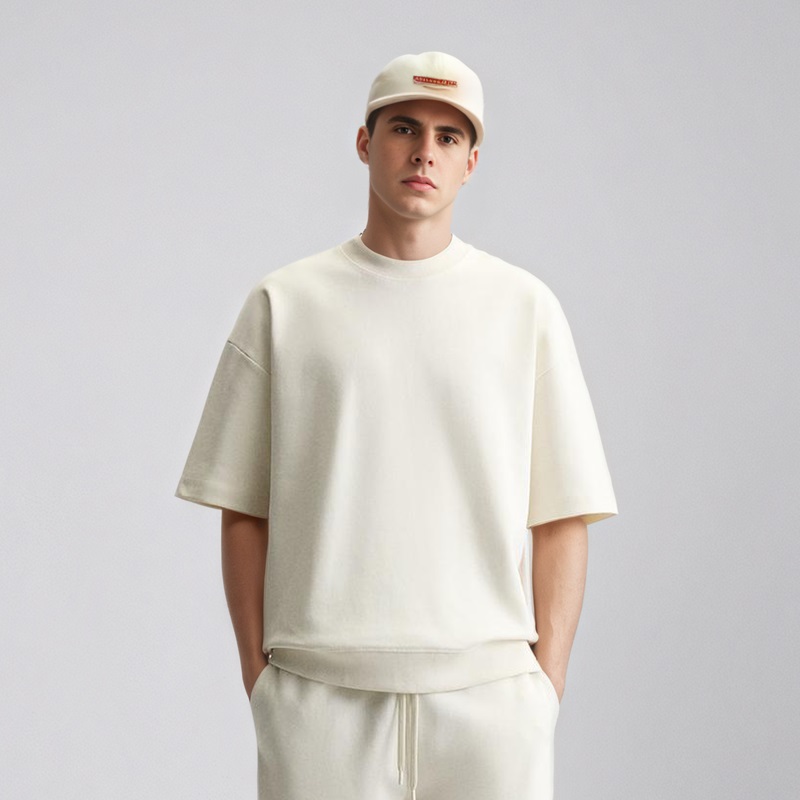
In the ever-evolving world of fashion, one clothing item remains an undisputed staple: the T-shirt. For decades, it has transcended cultures, generations, and styles to become one of the most versatile garments in modern wardrobes. Yet, the demand for clothing that not only looks good but also feels comfortable has shifted the spotlight onto a new star in the apparel industry—the stretch t-shirt.
Unlike traditional cotton shirts that may lack flexibility, a stretch t-shirt combines fashion with functionality, offering unmatched freedom of movement while retaining its shape. Whether marketed as stretchable t-shirts or elastic t-shirts, this category of apparel is redefining casual and activewear. But what makes these shirts so special, and why are they becoming an essential choice for style-conscious yet comfort-driven individuals?
Defining the Stretch T Shirt
At its core, a stretch t-shirt is a garment designed with fabrics that incorporate elastic fibers, such as spandex, Lycra, or elastane, blended with cotton or polyester. This integration gives the shirt the ability to expand and contract with body movements, creating a comfortable, form-fitting silhouette.
The difference between a stretch t-shirt and a traditional cotton tee lies in adaptability. While standard shirts may feel restrictive during physical activity or lose their shape over time, stretchable t-shirts adjust naturally to the wearer’s body. This means fewer wrinkles, reduced sagging, and a polished look that lasts throughout the day.
Additionally, terms like “elastic t-shirt” and “stretchable t-shirts” are often used interchangeably in the market. However, regardless of the name, the defining characteristic is elasticity—an element that ensures comfort without compromising on style.
Fabrics and Craftsmanship
The unique appeal of a stretch t-shirt lies in its composition. Most designs combine natural fibers like cotton with synthetic stretch materials. A common formula might be 95% cotton and 5% elastane. This balance allows for the softness and breathability of cotton while adding the durability and elasticity of spandex.
Polyester blends are also widely used, especially in performance-oriented elastic t-shirts. Polyester’s moisture-wicking properties make these garments ideal for athletic or outdoor activities. Meanwhile, advanced knitting techniques ensure that the elasticity is evenly distributed across the fabric, preventing overstretching or localized sagging.
The craftsmanship behind these garments also emphasizes flat seams, reinforced stitching, and pre-shrunk treatments, all of which contribute to longevity and comfort. As a result, a high-quality stretchable t-shirt not only feels great but also stands the test of time.
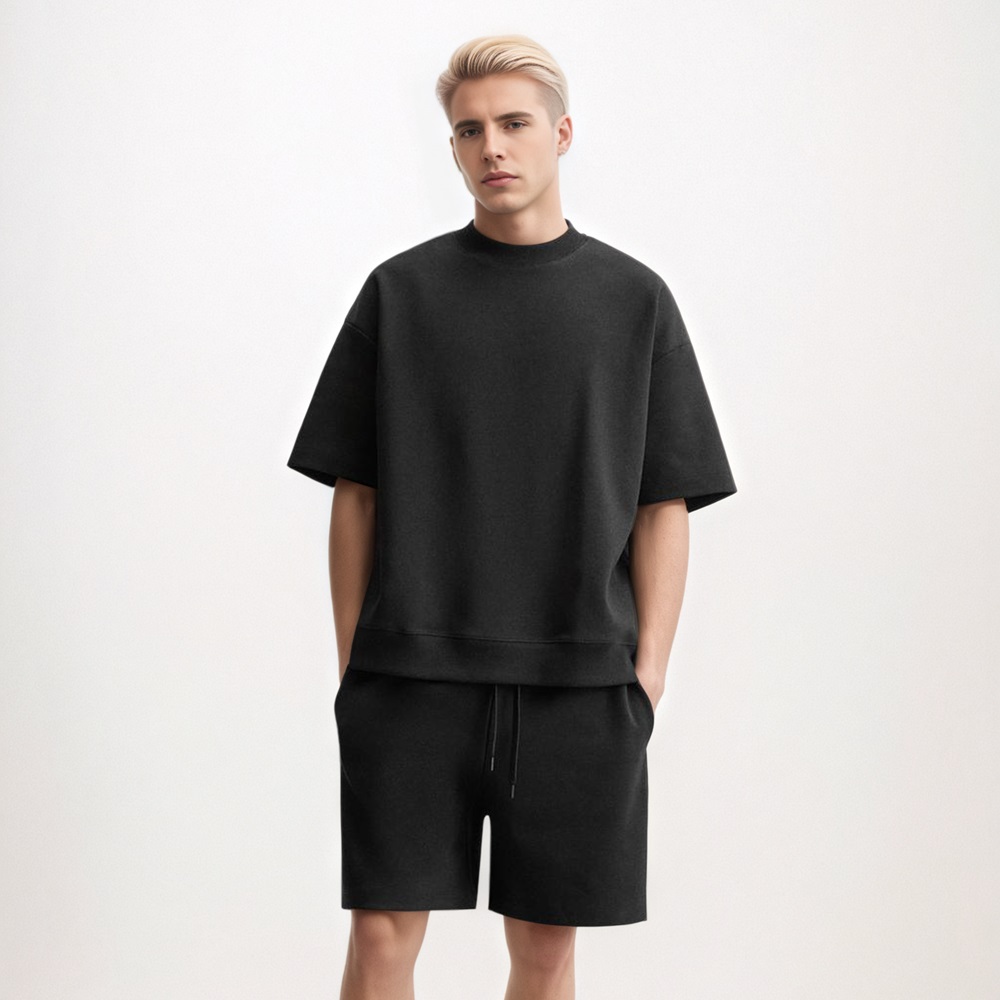
Advantages of Wearing a Stretch T Shirt
1. Unmatched Comfort
The primary advantage of a stretch t-shirt is comfort. The fabric moves seamlessly with the body, reducing friction and tightness. Unlike stiff cotton tees, these shirts adapt to every motion, making them perfect for a wide range of activities—from lounging at home to working long hours or engaging in sports.
2. Shape Retention
Ordinary T-shirts often lose their structure after several washes, but stretchable T-shirts bounce back into shape. The elastic fibers prevent sagging around the neck, shoulders, or waist, ensuring the garment always looks fresh.
3. Enhanced Fit
A stretch t-shirt naturally contours to the body, offering a flattering appearance without feeling restrictive. This makes it especially appealing for those who prefer a streamlined look without the tightness of compression wear.
4. Breathability and Moisture Management
Blended fabrics with elastic properties often come with moisture-wicking capabilities, keeping the wearer cool and dry. This is particularly beneficial in warmer climates or during physical activities.
5. Versatility
From casual streetwear to gym sessions, stretchable t-shirts adapt effortlessly. Their minimalist design allows them to serve as a foundation for countless outfits, whether paired with jeans, layered under jackets, or worn as a workout essential.
Style and Versatility
One of the strongest appeals of a stretch t-shirt is its ability to blend comfort with style. These shirts are available in a wide range of cuts, colors, and finishes, making them suitable for diverse occasions.
-
Slim-Fit Appeal: For individuals seeking a more tailored look, slim-fit stretchable t-shirts hug the body’s contours while maintaining flexibility. They pair effortlessly with jeans, chinos, or blazers for a casual-smart outfit.
-
Relaxed Options: For those preferring comfort above all, relaxed-fit elastic t-shirts offer the same benefits of stretch without clinging too tightly.
-
Gender Versatility: While men’s stretch t-shirts emphasize athletic cuts and muted tones, women’s designs often include more vibrant colors, cropped lengths, or stylish necklines.
-
Seasonal Adaptability: Lightweight short-sleeved options are perfect for summer, while long-sleeved elastic t-shirts function well as layering essentials in colder months.
In essence, the style flexibility of a stretch t-shirt ensures it suits virtually any wardrobe need.
Practical Scenarios: Where Stretch T Shirts Shine
The functionality of stretchable t-shirts makes them indispensable in everyday life.
-
Athletic Activities: Gym-goers and athletes benefit from the unrestricted movement and moisture management of elastic t-shirts. Whether lifting weights, running, or practicing yoga, these garments support performance without distraction.
-
Work Environments: In creative workplaces or casual business settings, a well-fitted stretch t-shirt under a blazer strikes the perfect balance between professionalism and comfort.
-
Travel and Leisure: For long journeys, comfort is paramount. The wrinkle resistance and flexibility of stretchable t-shirts make them a traveler’s dream.
-
Home and Relaxation: Their softness and adaptability make them equally suited for lounging at home.
By covering a wide range of contexts, the stretch t-shirt surpasses the limitations of traditional cotton tees.
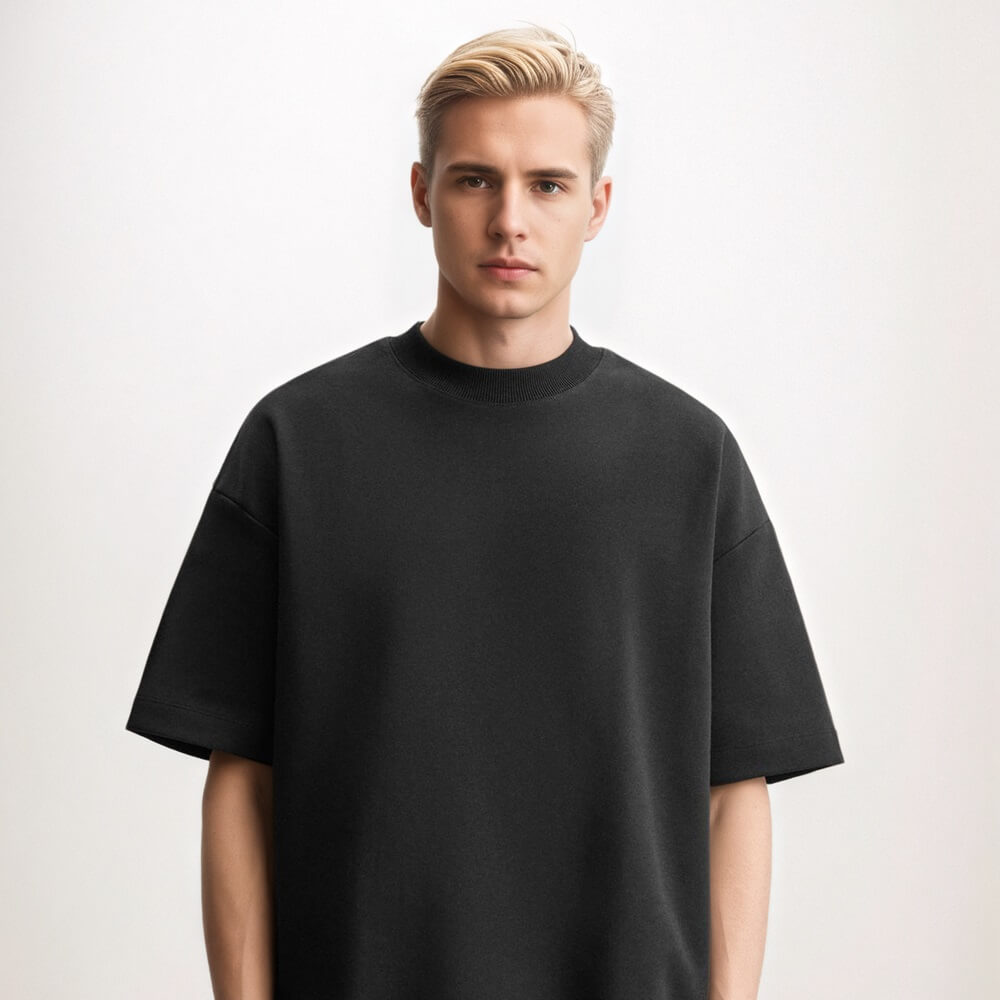
Care and Maintenance
Owning a stretch t-shirt comes with the responsibility of proper care. While elastic fibers are durable, they require specific handling to maintain longevity.
-
Washing: Cold or lukewarm water is ideal. High heat can break down elasticity.
-
Drying: Air-drying is recommended; however, tumble drying on a low heat setting may be acceptable for some blends.
-
Ironing: Most stretchable T-shirts resist wrinkles, but if ironing is necessary, use a low-heat setting.
-
Storage: Folding is preferred over hanging, as prolonged stretching on hangers can distort the shape.
With the right care, an elastic t-shirt can retain its structure and comfort for years.
Common Misconceptions
Despite their popularity, stretchable t-shirts are not free from myths:
-
“They are too tight.” Not necessarily. While slim-fit designs exist, relaxed versions ensure comfort without clinginess.
-
“They are only for athletes.” Although great for sports, their versatility extends to casual and semi-formal wear.
-
“They lose elasticity quickly.” High-quality elastic t-shirts, when properly maintained, can last as long as or longer than standard cotton tees.
These misconceptions often stem from poor-quality products, highlighting the importance of choosing reputable brands.
Market Trends and Consumer Preferences
The global apparel market shows a steady increase in demand for versatile, comfort-driven garments. Stretchable t-shirts are at the forefront of this movement, reflecting a broader trend where consumers prioritize functionality as much as aesthetics.
Sustainability is also shaping the market. Brands are experimenting with recycled polyester and organic cotton blends, offering eco-friendly stretch t-shirts that cater to environmentally conscious buyers. Additionally, advancements in textile technology continue to push the boundaries of comfort, breathability, and durability.
Consumers today expect clothing that works as hard as they do—versatile enough for the gym, stylish enough for the office, and comfortable enough for home. The stretch t-shirt embodies this philosophy.
The stretch t-shirt is more than just a piece of clothing—it is a lifestyle choice. Offering a seamless blend of comfort, style, and practicality, it addresses the needs of modern consumers who refuse to compromise between looking good and feeling good. Whether described as stretchable t-shirts or elastic t-shirts, the underlying promise is the same: adaptability, durability, and timeless appeal.
As fashion continues to embrace innovation, the stretch t-shirt stands as a testament to how even the simplest garments can evolve into essential tools of self-expression and comfort. In a world where every wardrobe choice reflects personal priorities, choosing a stretch t-shirt is not just about clothing—it is about embracing a smarter, more versatile way of living.
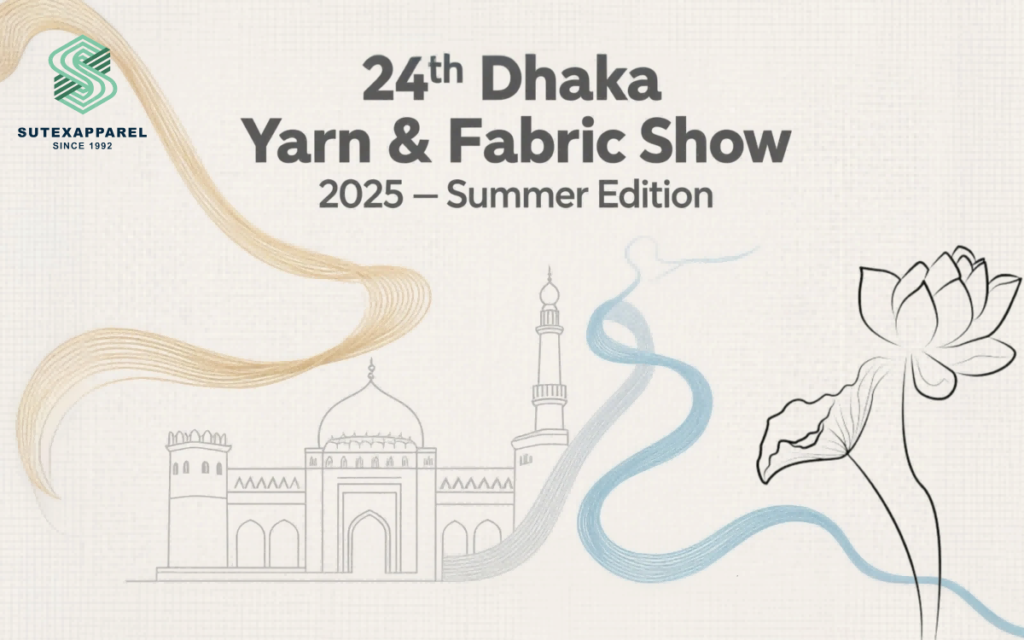
Dhaka, Bangladesh—Sutex Apparel, a leading manufacturer of high-quality knitted garments, is pleased to announce its participation in The 24th Dhaka International Yarn and Fabric Show 2025 (Summer Edition), scheduled to take place from September 10 to 13, 2025, at the Bangladesh–China Friendship Exhibition Center in Purbachal, Dhaka. The company will be exhibiting its latest collections at Booth AE2 in Hall A, showcasing a range of innovative knitted apparel designed for the modern consumer and functional civilian fashion markets.
As one of the most prestigious events in the global textile industry, the Dhaka International Yarn and Fabric Show (DIFS) serves as a critical platform for manufacturers, suppliers, and industry professionals to connect, exchange ideas, and explore business opportunities. Organized by CEMS-Global USA, this edition of DIFS is expected to draw thousands of visitors, including key decision-makers, sourcing experts, and stakeholders from across the globe. The event highlights Bangladesh’s growing significance as a global textile and apparel sourcing hub, offering a unique opportunity for exhibitors to demonstrate their capabilities and forge new partnerships.
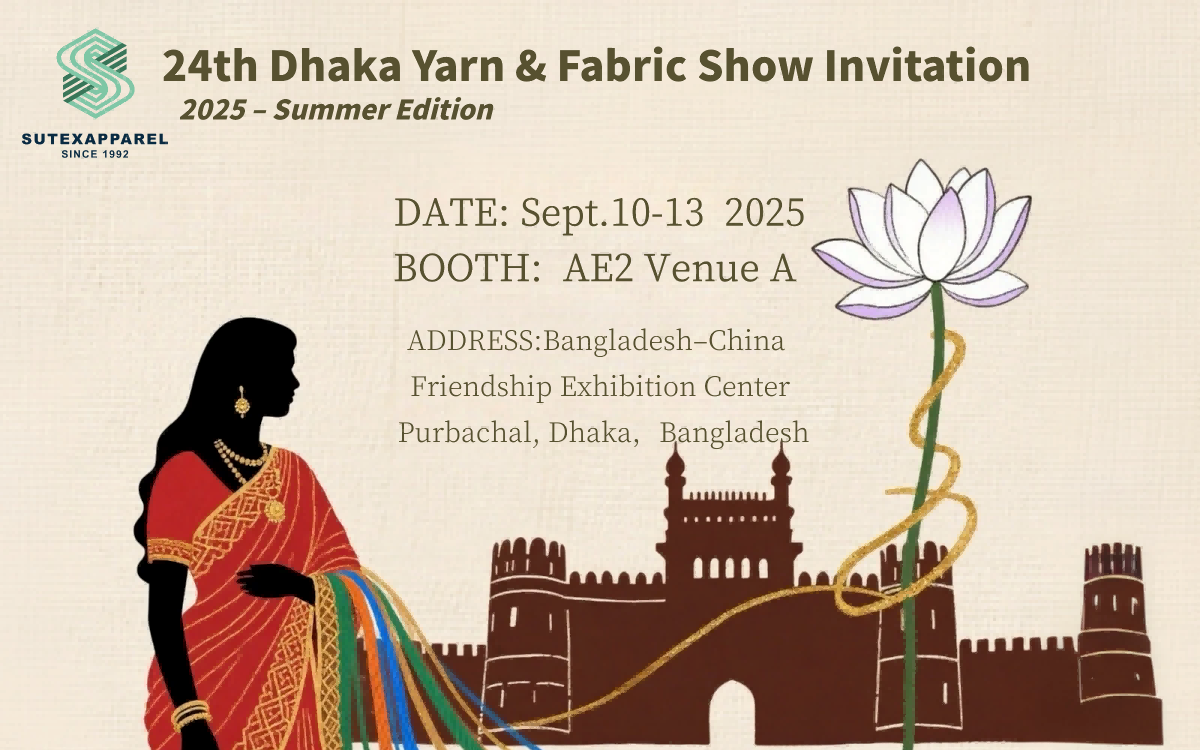
Sutex Apparel will feature an extensive collection of knitted garments, with a focus on functional civilian fashion and washed garments. The exhibited products will include advanced apparel designed for comfort, durability, and style, incorporating innovative fabric technologies and finishing techniques. The company’s offerings are tailored to meet the evolving demands of the international market, emphasizing sustainability, performance, and aesthetic appeal.
Visitors to Booth AE2 in Hall A will have the opportunity to explore Sutex Apparel’s latest developments in knitted wear, including:
- Functional Fashion Apparel: Garments designed for everyday use, combining practicality with contemporary style.
- Washed Garments: Products treated with advanced washing techniques to enhance softness, texture, and vintage appeal.
- Sustainable Solutions: Eco-friendly manufacturing processes and materials aligned with global sustainability trends.
The DIFS exhibition has long been recognized as a pioneer in promoting the textile and apparel industry of Bangladesh, providing a platform for the launch of new technologies, materials, and sustainable solutions. By participating in this event, Sutex Apparel aims to strengthen its presence in the regional and global markets, engage with industry leaders, and showcase its commitment to excellence and innovation.
Sutex Apparel extends a warm invitation to all industry partners, buyers, and stakeholders to visit Booth AE2 in Hall A during the exhibition. Our team looks forward to engaging in productive discussions, exploring collaboration opportunities, and demonstrating how Sutex Apparel’s products can meet the diverse needs of the modern fashion and functional apparel markets.
Event Details:
Exhibition: The 24th Dhaka International Yarn and Fabric Show 2025 (Summer Edition)
Dates: September 10–13, 2025
Venue: Bangladesh–China Friendship Exhibition Center, Purbachal, Dhaka, Bangladesh
Booth: Hall A, AE2

In the long history of clothing, fabrics have always reflected human needs and desires. From animal hides that protected our ancestors from the elements to finely woven silks that symbolized wealth, clothing has evolved alongside civilization. Today, as technology intersects with fashion, a new category of apparel is redefining the way we think about everyday wear: the stain-proof t-shirt.
This garment may look like a simple cotton tee at first glance, but hidden in its fibers is a layer of science that is changing the way people dress, work, and live. No longer do spills of coffee, wine, or oil have to spell disaster. Instead, stain-proof technology transforms the ordinary t-shirt into something far more resilient and practical, blending style with cutting-edge performance.
So why are stain-proof t-shirts making such a strong impact in modern wardrobes? To answer this, we need to explore how the idea emerged, what technology drives it, and how it influences our habits, industries, and even our future outlook on sustainable fashion.
From Utility to Lifestyle: The Evolution of Clothing Needs
Clothing has never been purely about aesthetics. For centuries, it has also been about protection, durability, and practicality. Farmers required tough garments to withstand dirt, soldiers needed uniforms resistant to weather and damage, and workers looked for fabrics that could endure daily labor.
The t-shirt itself has a humble beginning as an undergarment in the early 20th century, later becoming a universal symbol of casual wear. It was simple, cheap, and easy to wash — perfect for mass adoption. But while it excelled in comfort, it remained vulnerable to one of the most common frustrations in daily life: stains.
As lifestyles grew faster and more dynamic, especially in urban environments, the need for clothing that could adapt to these challenges increased. Enter the stain-proof t-shirt — a product that brings together the simplicity of the classic tee with advanced textile engineering.
The Science Behind Stain-Proof Fabrics
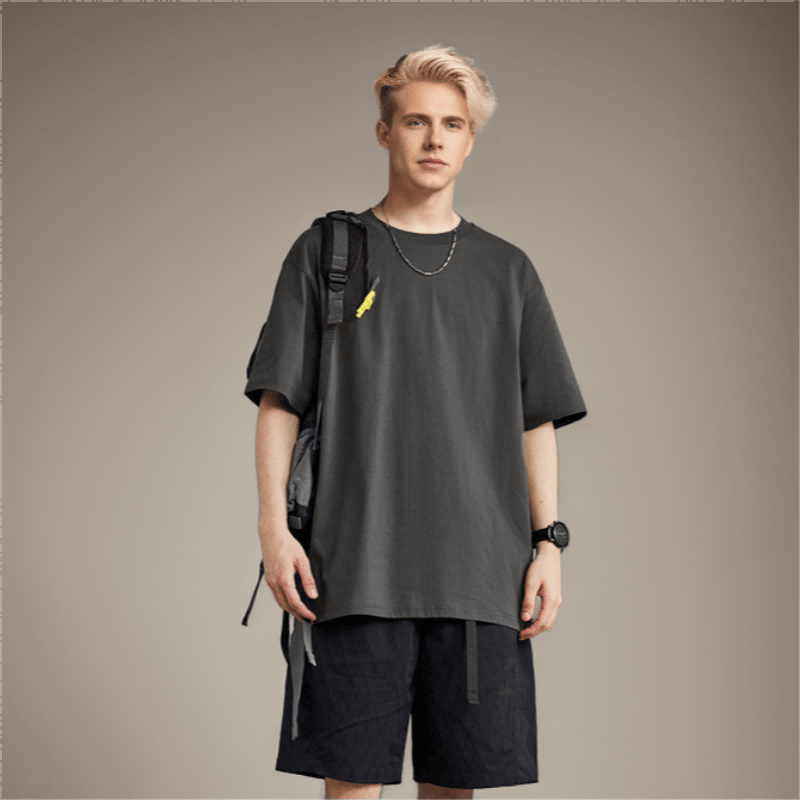
At the heart of the stain-proof t-shirt is nanotechnology and surface engineering. Unlike traditional fabrics that absorb liquids, these shirts are treated or woven with coatings that create a hydrophobic and oleophobic barrier. This means both water-based and oil-based substances struggle to penetrate the fabric.
-
Hydrophobic Properties: Liquids bead up on the surface, rolling off before they have a chance to soak in.
-
Oleophobic Resistance: Oils, which are usually harder to remove, are repelled as well.
-
Breathability: Unlike plastic coatings, modern stain-resistant treatments maintain airflow, ensuring comfort.
Some manufacturers integrate these properties directly into the fibers during production, while others apply a special treatment post-manufacture. In both cases, the goal is the same: making a shirt that resists accidents while looking indistinguishable from any other stylish t-shirt.
Why Stain-Proof T Shirts Matter in Everyday Life
It might seem like a small convenience, but in reality, stain-proof apparel changes more than just the way we deal with spills. It impacts daily routines, confidence, and even broader lifestyle patterns.
-
Less Stress in Social Situations
Imagine a lunch meeting where a splash of pasta sauce no longer means embarrassment. A stain-proof shirt allows people to stay focused on the interaction rather than the accident. -
Reduced Laundry Cycles
Because stains do not cling, these T-shirts require less washing. This saves time and extends the life of the fabric. -
Professional Benefits
For professionals constantly in the public eye — teachers, medical staff, or sales representatives — the ability to stay neat throughout the day has real value. -
Outdoor and Travel Applications
Travelers benefit immensely from stain-proof clothing. A small backpack with fewer items can last longer, since each garment resists dirt and requires fewer washes.
The Psychological Impact of Stain-Resistant Apparel
Clothing is not just physical protection; it is also psychological armor. When people wear garments that resist stains, they feel more confident and secure. The subconscious stress of “what if I spill” is reduced, allowing more freedom of movement and spontaneity.
Interestingly, this connects with modern cultural values of minimalism and efficiency. People want clothing that does more with less, enabling them to look sharp without constant maintenance. The stain-proof t-shirt speaks directly to that desire.
Comparing Traditional T Shirts and Stain-Proof T Shirts
To highlight the differences, the following table provides a practical comparison:
| Feature | Traditional Cotton T Shirt | Stain-Proof T Shirt |
|---|---|---|
| Resistance to Spills | Low (absorbs quickly) | High (liquid beads and roll off) |
| Maintenance | Frequent washing needed | Less frequent washing |
| Durability | Moderate, fades with stains | Longer lifespan due to protection |
| Comfort | High | High (breathable technologies) |
| Sustainability Contribution | Moderate | Higher (reduced washing cycles) |
This comparison illustrates why the innovation is not just a gimmick, but a genuine shift in garment performance.
Stain-Proof Clothing and Sustainability
One of the most overlooked benefits of stain-proof t-shirts is their environmental impact. Fashion is one of the most resource-intensive industries, particularly due to the water and energy consumption of frequent washing.
By reducing the number of washes needed, stain-proof clothing:
-
Lowers water consumption.
-
Reduces detergent use and chemical pollution.
-
Extends garment lifespan, decreasing waste.
This places stain-resistant apparel in alignment with sustainable fashion movements, which seek to balance style with ecological responsibility.
How Stain-Proof T Shirts Are Shaping Fashion Trends
Fashion is rarely about practicality alone. What makes the stain-proof t-shirt especially powerful is its ability to merge utility with aesthetics. Designers have embraced the technology not to create futuristic-looking garments but to enhance existing classics.
Instead of standing out as “specialized clothing,” stain-proof t-shirts blend seamlessly into modern wardrobes. They can be worn under blazers, with jeans, or during workouts. The invisible functionality makes them versatile and appealing to a wide demographic, from college students to business professionals.
Moreover, as consumers demand more value from their purchases, multi-functional garments gain an edge over disposable fashion. This signals a larger industry shift toward quality over quantity.
Future Innovations: Beyond Stain Proof
The stain-proof t-shirt is just one example of how textiles are being reimagined. Future developments may include:
-
Self-cleaning fabrics: Clothing that uses photocatalytic properties to break down dirt under sunlight.
-
Smart textiles: Shirts that can regulate temperature or monitor health while resisting stains.
-
Eco-friendly coatings: Replacing synthetic treatments with biodegradable, plant-based alternatives.
Each step brings us closer to a world where clothing is not just passive fabric but an active participant in our daily lives.
Challenges and Considerations
Of course, no innovation comes without challenges. Some stain-resistant coatings wear off after repeated washes, and maintaining long-term performance remains a research focus. Additionally, while many manufacturers prioritize safe treatments, there are concerns about chemical use in fabric production and its environmental impact.
Consumer education is also key. Some buyers expect absolute immunity to every possible stain, which is unrealistic. Instead, these garments should be seen as highly resistant, not indestructible.
The stain-proof t-shirt is more than just a clever invention; it is part of a broader movement redefining clothing for the modern era. By addressing one of the most common daily frustrations, it changes how people approach their wardrobes — reducing stress, saving resources, and allowing greater freedom in both personal and professional settings.
In many ways, stain-proof apparel symbolizes the merging of technology, lifestyle, and sustainability. Just as the classic t-shirt once transformed casual fashion, its stain-resistant counterpart is now leading a quiet but powerful revolution in how we dress.
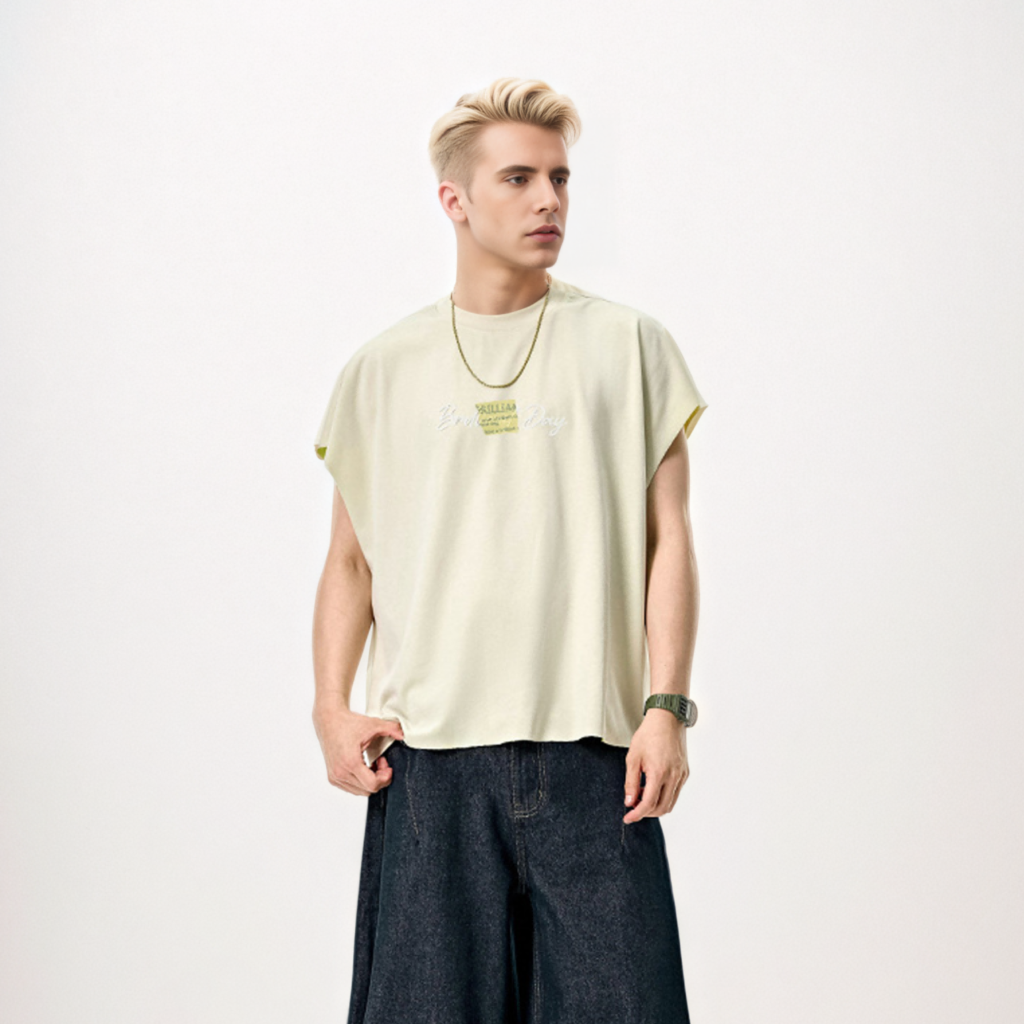
In recent years, the demand for antibacterial clothing has grown significantly, fueled by increasing health awareness, lifestyle changes, and innovations in fabric technology. Unlike ordinary garments, antibacterial apparel is designed with specialized materials and treatments that inhibit the growth of bacteria, fungi, and even some viruses. These fabrics not only promote hygiene but also enhance comfort, durability, and odor resistance.
From healthcare uniforms to sportswear, and from daily wear to industrial garments, antibacterial clothing is shaping the future of the global textile industry. Whether you call it antibacterial clothing, antibacterial apparel, or antibacterial garments, the concept remains the same: textiles that go beyond fashion to provide protection and well-being.
What Is Antibacterial Clothing?
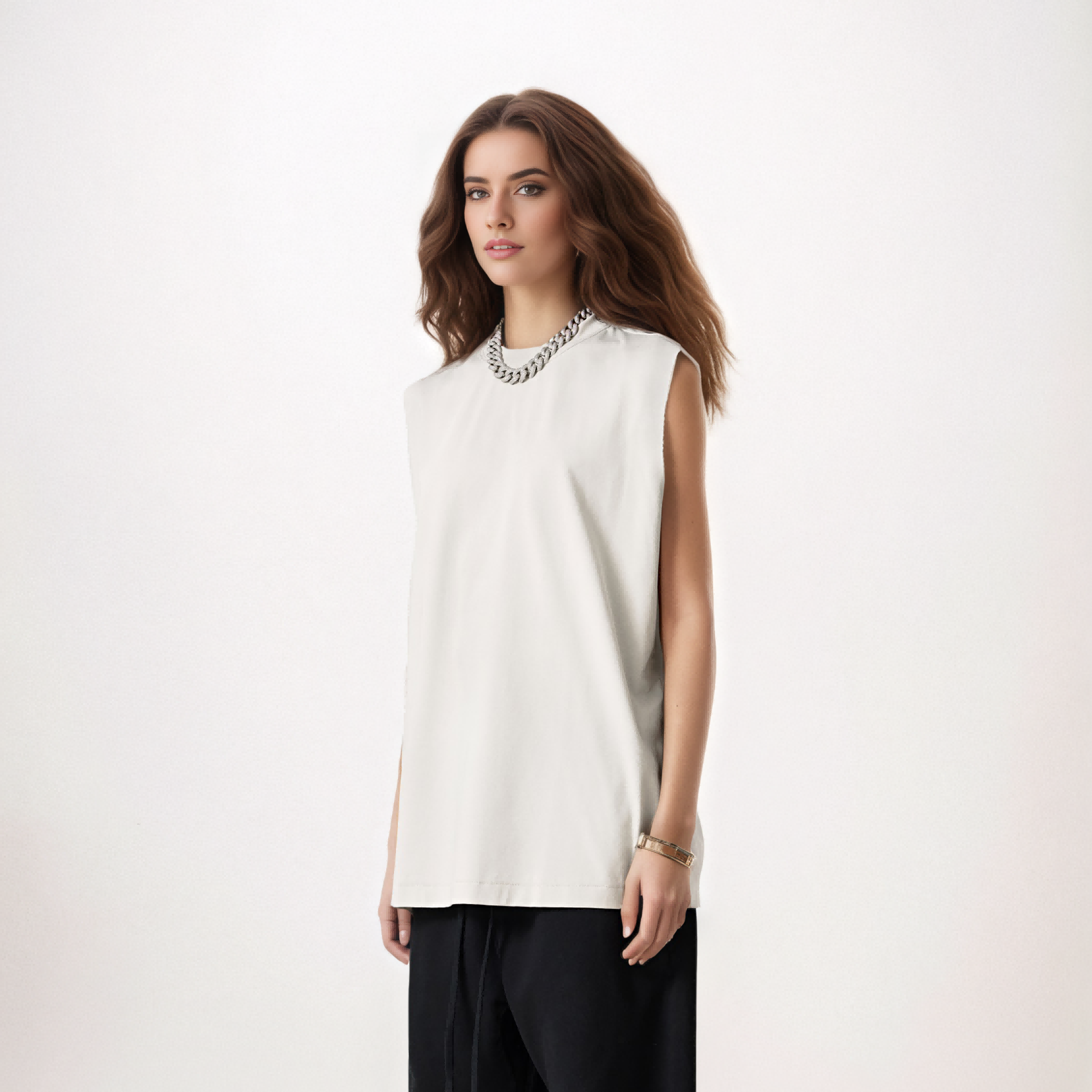
Antibacterial clothing refers to garments that have been treated with or manufactured from fabrics containing antibacterial properties. These garments help to limit microbial growth, reducing risks of odor, skin irritation, and cross-contamination.
It is important to distinguish between antibacterial and antimicrobial textiles.
-
Antibacterial fabrics specifically target bacteria.
-
Antimicrobial textiles can act against a broader spectrum, including fungi, mold, and sometimes viruses.
Today, most antibacterial garments are created using advanced finishing techniques, such as silver-ion coatings, bamboo-derived fibers, or nanotechnology-enabled materials. They are widely applied across healthcare, sports, corporate uniforms, and casual fashion.
How Antibacterial Clothing Works
The functionality of antibacterial apparel depends on the integration of protective agents or the use of naturally resistant fabrics.
Antibacterial Agents & Coatings
Common technologies include:
-
Silver ions: Disrupt bacterial cell walls and prevent reproduction.
-
Copper compounds: Provide strong antibacterial and antifungal resistance.
-
Quaternary ammonium compounds: Frequently used in healthcare textiles.
-
Natural agents: Bamboo fiber, chitosan, and herbal extracts.
Fabrics Used
-
Cotton blends treated with antibacterial finishes.
-
Polyester and nylon infused with silver or zinc nanoparticles.
-
Bamboo-based textiles are known for their natural antibacterial properties.
Technology Applications
-
Nanotechnology enhances durability and efficiency.
-
Eco-friendly finishing methods minimize environmental impact.
-
Smart textiles combine antibacterial functions with moisture-wicking and breathability.
Key Benefits of Antibacterial Apparel
The global popularity of antibacterial clothing is no coincidence. These garments provide practical advantages for both consumers and industries.
Hygiene and Odor Control
Antibacterial garments minimize bacterial growth, which is the main cause of unpleasant odors in clothing. This makes them ideal for sportswear, underwear, and work uniforms.
Skin Protection and Comfort
By reducing microbial growth, antibacterial apparel lowers the risk of skin irritation, rashes, and infections, making it particularly useful for sensitive skin.
Durability and Long-Lasting Freshness
Unlike ordinary garments that absorb sweat and bacteria, antibacterial clothing maintains freshness longer, reducing the frequency of washing and extending fabric lifespan.
Workplace Safety
In healthcare, hospitality, and industrial sectors, antibacterial uniforms play a vital role in maintaining hygiene and minimizing cross-contamination.
Applications of Antibacterial Garments
Healthcare Uniforms & Patient Wear
Doctors, nurses, and hospital staff require antibacterial garments to reduce infection risks. Hospitals also provide patients with antibacterial gowns for added safety.
Sportswear & Activewear
Athletes and fitness enthusiasts benefit from antibacterial sportswear that prevents odor buildup while offering breathability and comfort.
Daily Fashion & Undergarments
From socks to t-shirts, antibacterial clothing is increasingly common in everyday wardrobes. Consumers appreciate freshness, especially in hot climates.
Corporate & Industrial Workwear
Factories, laboratories, and service industries adopt antibacterial uniforms to ensure cleanliness and protect workers.
Travel & Outdoor Gear
Travelers and hikers prefer antibacterial garments for their ability to stay fresh longer, even without frequent washing.
Market Trends in Antibacterial Clothing
The global market for antibacterial clothing and apparel has expanded rapidly since the COVID-19 pandemic. Hygiene awareness has shifted consumer priorities, leading to growing demand across regions.
Growing Demand Post-Pandemic
Health-conscious consumers are increasingly investing in antibacterial garments for safety and daily use.
Eco-Friendly Antibacterial Textiles
Sustainability plays a big role, with eco-fabrics like bamboo and organic cotton being enhanced with antibacterial properties.
Smart Textiles & Multifunctional Fabrics
Innovations combine antibacterial performance with moisture management, UV protection, and thermal regulation.
Global Market Outlook
According to industry reports, the antibacterial clothing market is expected to grow steadily, especially in North America, Europe, and the Asia-Pacific region, where awareness and spending capacity are high.
How to Choose the Right Antibacterial Garments
When selecting antibacterial apparel, consumers and businesses should evaluate several factors:
-
Certifications: Look for international standards such as OEKO-TEX, ISO 20743, or ASTM tests.
-
Fabric Quality: Consider comfort, breathability, and durability.
-
Longevity: Some antibacterial finishes last only 20–30 washes, while others are long-term.
-
Purpose: Sportswear, healthcare, or everyday use may require different fabric strengths.
Care and Maintenance of Antibacterial Apparel
Proper care ensures the long-lasting effectiveness of antibacterial garments.
-
Follow wash instructions: Avoid strong detergents or bleach that damage antibacterial coatings.
-
Gentle drying: Excessive heat can degrade fabric treatments.
-
Storage: Keep garments dry and well-ventilated to prevent microbial regrowth.
-
Replacement: Replace garments once their antibacterial effect fades.
Challenges and Future Development
Despite the benefits, antibacterial garments face challenges:
-
Environmental Impact: Some chemical finishes may cause ecological concerns.
-
Cost Factor: Antibacterial clothing tends to be more expensive.
-
Consumer Awareness: Many people still don’t fully understand the benefits.
Looking ahead, sustainable antibacterial fabrics will dominate the market. Research is underway into plant-based and biodegradable agents, making antibacterial apparel both safe and eco-friendly. Additionally, smart textiles with integrated health monitoring sensors are expected to reshape the industry.
Why Antibacterial Clothing Matters
From healthcare uniforms to sportswear and everyday garments, antibacterial clothing has become a symbol of modern textile innovation. By combining hygiene, comfort, and sustainability, these garments not only protect individuals but also promote long-term well-being.
As technology advances, the future of antibacterial apparel will see even more versatility, from eco-friendly antibacterial garments to smart antimicrobial clothing. For consumers, businesses, and healthcare industries alike, the message is clear: antibacterial clothing is not just a trend, but a vital part of tomorrow’s lifestyle.

In recent years, active lifestyles have revolutionized the way we approach everyday clothing. Comfort and performance are no longer reserved for sportswear; they’ve become essential features in what we wear daily—whether that’s for a gym session, a weekend hike, or even a casual stroll through the city. At the center of this shift is the sweat-wicking T-shirt, a simple yet highly effective garment designed to keep the body cool, dry, and fresh in any environment.
We’ll also compare moisture-wicking T-shirts and sweat-absorbing T-shirts, ensuring you can make the right choice for your lifestyle.
What Is a Sweat-wicking T-shirt?
A sweat-wicking T-shirt is a type of performance apparel designed to draw moisture away from your skin and transport it to the fabric’s surface, where it evaporates quickly. Unlike ordinary cotton shirts that absorb sweat and hold onto it—making you feel heavy, sticky, and damp—these shirts use specially engineered fabrics that actively manage moisture.
This moisture control is achieved through a combination of fabric composition, fiber structure, and weave technology. It’s not just about keeping you dry; it’s about regulating temperature, preventing chafing, and maintaining comfort over long periods of wear.
Sweat-wicking vs. Sweat Absorbing: The Key Difference
The terms sweat-wicking T-shirt and sweat-absorbing T-shirt are often used interchangeably, but they describe two different approaches to moisture management.
-
Sweat-absorbing T-shirt
These shirts pull sweat into the fabric fibers and hold it there. Cotton is the classic example—it soaks up moisture well, but once saturated, it stays wet and heavy. This can lead to discomfort, especially during high-intensity activity. -
Sweat-wicking T-shirt
Instead of absorbing sweat and holding it, these shirts transfer sweat away from the body to the fabric surface. The moisture spreads out in a thin layer, making it easier to evaporate. This process keeps the fabric light and the skin dry.
Think of it this way: sweat absorption is like a sponge soaking up water, while sweat wicking is like a rain jacket guiding water to flow away.
The Science Behind Moisture Wicking Technology
A moisture-wicking T-shirt works by using fabrics that have hydrophobic (water-repelling) fibers combined with capillary action. Here’s how it functions step-by-step:
-
Sweat Production
Your body produces sweat as a natural cooling mechanism when your internal temperature rises. -
Moisture Transfer
Sweat comes into contact with the inner surface of the shirt, where special fibers are designed to move moisture away from your skin. -
Fabric Channels
The fabric weave creates microscopic channels that pull sweat to the outer layer of the T-shirt. -
Rapid Evaporation
Once at the surface, the sweat spreads out in a thin layer, where airflow helps it evaporate quickly.
This process means your shirt stays lighter, your skin feels drier, and your overall body temperature is easier to manage.
Common Fabrics Used in Sweat-wicking T-shirts
When choosing the right sweat-wicking T-shirt, fabric matters. Each fiber type brings different benefits:
-
Polyester
Lightweight, durable, and excellent at wicking moisture. Polyester blends are the most common choice for sports and activewear. -
Nylon
Smooth, soft, and highly breathable. Often used for premium moisture-wicking T-shirts due to its silky feel and fast-drying nature. -
Merino Wool
Surprisingly effective for both warmth and moisture control. Natural merino fibers can absorb moisture vapor while keeping the fabric feeling dry. -
Bamboo Fiber
Eco-friendly and naturally moisture-wicking, with added antibacterial properties to reduce odor. -
Blended Fabrics
Many sweat-wicking shirts combine synthetic fibers with natural ones to balance performance, comfort, and sustainability.
Benefits of Wearing a Sweat-wicking T-shirt
1. Temperature Regulation
By pulling sweat away from the skin, a sweat-wicking T-shirt helps your body cool more efficiently in hot conditions and prevents chill in cooler weather.
2. Comfort During Activity
No sticky, clinging fabric means you can move freely, whether you’re lifting weights or cycling up a steep hill.
3. Odor Control
Many sweat-wicking fabrics are treated with antimicrobial finishes to reduce odor-causing bacteria.
4. Lightweight and Fast-drying
Ideal for travel or multi-day use, as these shirts dry in hours rather than days.
5. Reduced Skin Irritation
Dry skin means less friction, lowering the risk of chafing during prolonged activity.
Everyday Uses for a Sweat-wicking T-shirt
Sweat-wicking shirts aren’t just for professional athletes—they’re useful in almost any lifestyle setting.
-
Sports and Fitness: Running, cycling, hiking, gym workouts, and team sports.
-
Travel: Lightweight and easy to wash on the go, perfect for packing light.
-
Work Environments: Great for outdoor jobs, kitchen work, or any setting where heat and movement are constant.
-
Casual Wear: Many brands now design moisture-wicking T-shirts with stylish cuts suitable for everyday outfits.
How to Style a Sweat-wicking T-shirt
Thanks to modern design trends, you don’t have to compromise style for performance. Here are a few ideas:
-
Pair a slim-fit moisture-wicking T-shirt with joggers and sneakers for an athletic casual look.
-
Layer a neutral-toned sweat-wicking T-shirt under a blazer for a smart-casual vibe that still keeps you cool.
-
Choose bright colors for summer outings and muted earth tones for autumn walks.
Choosing the Right Sweat-wicking T-shirt
When shopping, consider these factors:
-
Fit: A close but not tight fit helps the wicking process work best.
-
Fabric Blend: For intense workouts, choose high polyester or nylon content; for daily wear, consider blends with cotton or bamboo.
-
Weight: Lightweight fabrics are better for hot climates; midweight or wool blends suit cooler conditions.
-
Seam Construction: Flatlock seams reduce friction and improve comfort.
-
Odor Resistance: Look for “antimicrobial” or “odor control” in the product description.
Caring for Your Sweat-wicking T-shirt
To keep your shirt performing well:
-
Wash in cold water to preserve fabric properties.
-
Avoid fabric softeners, which can clog moisture-wicking channels.
-
Air-dry whenever possible to extend the shirt’s lifespan.
-
Follow the manufacturer’s care instructions for best results.
The Future of Sweat-wicking Apparel
As technology evolves, sweat-wicking fabrics are becoming even more advanced. Future innovations may include:
-
Smart Fabrics that adjust their breathability based on your body temperature.
-
Eco-friendly Wicking Fibers made entirely from recycled materials.
-
Integrated Cooling Systems, such as micro-ventilation zones and phase-change materials.
The next generation of sweat-wicking T-shirts won’t just keep you dry—they may actively help regulate your entire body’s climate.
Final Thoughts
A sweat-wicking T-shirt is more than just a piece of clothing—it’s a tool for comfort, performance, and confidence. Whether you’re hitting the gym, running errands in summer heat, or traveling across continents, having the right moisture management can make a noticeable difference in your day.
From the high-performance moisture-wicking T-shirt designed for athletes to the versatile sweat-absorbing T-shirt for casual comfort, there’s an option to suit every lifestyle. By understanding the technology and benefits behind these garments, you can choose one that keeps you feeling fresh, dry, and ready for whatever comes next.
Imagine walking out during an unexpected drizzle or heading for a spontaneous hike without worrying about your clothes soaking through. That’s the promise a waterproof t-shirt offers — combining performance, innovation, and everyday comfort in one lightweight package.
In the past, waterproof clothing was bulky, plastic-like, and best reserved for camping trips or mountaineering. However, today’s waterproof T-shirts are sleek, breathable, and surprisingly stylish, designed for both urban explorers and outdoor enthusiasts.
Understanding the Waterproof T Shirt: More Than Just a Dry Fit
So, what exactly is a waterproof t-shirt?
Unlike a water-resistant t-shirt, which can only handle light exposure to moisture (like a few raindrops), a waterproof t-shirt is engineered to keep water out completely, even under heavy rain. The secret lies in advanced fabric technologies that create a moisture barrier while maintaining breathability and comfort.
Key Features of a Waterproof T Shirt:
-
Sealed seams and tight weaves
-
Moisture-blocking membranes or coatings
-
Breathable and lightweight materials
-
Durable for both indoor and outdoor use
It’s not just for hiking or kayaking anymore. People wear waterproof t-shirts for biking to work, attending festivals, or traveling light. It’s now a go-to essential in functional fashion.
Fast Dry T Shirts vs Waterproof T Shirts: Which One Do You Need?
Fast-dry t-shirts are another revolutionary product in the activewear market. They are designed to wick away sweat and dry rapidly — perfect for gym sessions, jogging, or hot, humid days. But when it comes to staying completely dry from external water sources (like rain or splashes), they fall short.
A quick comparison:
| Feature | Waterproof T Shirt | Fast Dry T Shirt |
|---|---|---|
| Water protection | Blocks external water entirely | Dries internal moisture (sweat) quickly |
| Use case | Rain, travel, outdoor activities | Gym, sports, casual hot weather wear |
| Material tech | Laminated or coated membranes | Moisture-wicking, fast-evaporating fabrics |
| Breathability | Moderate to high (depending on brand) | Very high |
Think of it this way: a fast-dry t-shirt handles what’s coming from your body. A waterproof t-shirt protects you from the environment. In some cases, high-end designs even combine both technologies, offering the best of both worlds.
Waterproof vs Water Resistant vs Water Repellent T Shirts
Many people confuse the terms waterproof, water resistant, and water repellent, but the difference is more than just semantics.
Water Resistant T Shirt:
A water-resistant t-shirt can handle mild moisture — light rain or a splash — but the water will eventually soak through if the exposure continues. It’s great for unpredictable weather but not designed for extended wet conditions.
Water Repellent T Shirt:
This type features a hydrophobic coating that causes water to bead and roll off. While more effective than water-resistant t-shirts, water repellent t-shirts still can’t provide total protection in downpours.
Waterproof T Shirt:
This is the gold standard. True waterproof t-shirts are tested under pressure and can withstand heavy, continuous exposure to water. They’re also wind-resistant and often include antimicrobial features to fight odor.
Who Needs a Waterproof T Shirt?
A waterproof t-shirt isn’t just a niche product for hardcore adventurers. It’s become a mainstream choice across many lifestyles. Here’s why:
Urban Commuters:
Whether biking to the office or walking through city streets, commuters benefit from waterproof t-shirts that keep them dry without needing to carry extra clothing.
Travelers:
Packing light is easier when one shirt handles multiple weather conditions. A waterproof t-shirt is ideal for those who explore different climates.
Fitness Enthusiasts:
For outdoor workouts, especially in unpredictable weather, a waterproof t-shirt keeps athletes dry and focused.
Everyday Wearers:
Today’s styles are sleek and versatile enough to be worn like any regular shirt — just with extra tech built in.
Materials & Technology: What Makes It Waterproof?
Waterproofing a shirt isn’t as simple as adding a plastic layer. Good waterproof t-shirts use multilayer fabric systems:
-
Outer Layer: Often features a water-repellent treatment (DWR – durable water repellent)
-
Middle Membrane: A breathable but impenetrable barrier (like Gore-Tex or eVent)
-
Inner Lining: Comfortable material that wicks sweat away
These layers work together to prevent water penetration while allowing heat and sweat to escape. The result? Dry on the outside and comfortable on the inside.
The Fashion Side: Yes, Waterproof Can Look Good
Gone are the days of boxy, crinkly materials. The modern waterproof t-shirt is sleek, minimalist, and often indistinguishable from a cotton tee. Available in neutral colors, athletic fits, or even casual cuts, they pair easily with jeans, shorts, or hiking pants.
Designers have started recognizing the potential, too, integrating waterproof t-shirt styles into urban wear, streetwear, and even workwear lines.
Sustainability: An Eco-Friendly Performance Option
Eco-conscious brands are making waterproof t-shirts using recycled polyester or PFC-free coatings (avoiding harmful perfluorinated compounds). This push toward sustainability means you can stay dry without harming the planet.
Some key innovations include:
-
Biodegradable water-repellent treatments
-
Bluesign® certified fabrics
-
Manufacturing processes that reduce water and energy usage
Choosing a sustainable waterproof t-shirt means making a smart investment for both your wardrobe and the environment.
How to Choose the Right Waterproof T Shirt
When shopping for a waterproof t-shirt, it’s important to consider your actual use case.
Key Questions to Ask:
-
How waterproof do I need it to be?
For light rain, a water repellent t-shirt may be enough. For serious weather, go fully waterproof. -
Will I be sweating?
If yes, make sure the shirt offers breathability or includes fast-dry t-shirt features. -
How often will I use it outdoors?
Frequent hikers or cyclists may want a shirt that’s both waterproof and abrasion-resistant. -
What’s my climate?
Those in tropical or wet regions will get the most use out of a fully waterproof t-shirt.
Look for details like taped seams, waterproof zippers (if applicable), and moisture-wicking liners. These small details make a big difference.
Caring for Your Waterproof T Shirt
To maintain performance, care is essential.
Tips for longevity:
-
Avoid fabric softeners, which can damage waterproof coatings
-
Wash with cold water using gentle detergents
-
Tumble dry low or air dry to reactivate DWR coating
-
Reapply DWR spray every few months if water stops beading off
With the right care, your waterproof t-shirt can last years — even with heavy use.
Looking Ahead: The Future of Waterproof Apparel
The future is smart, seamless, and sustainable.
With nanotechnology, advanced fiber weaving, and AI-driven fabric design, waterproof t-shirts will soon:
-
Adapt to body temperature
-
Self-heal minor tears
-
Offer built-in UV protection
-
Integrate with wearable tech
As performance meets style, the waterproof t-shirt will continue to evolve — not just as a product, but as a necessity in modern living.
Why You Should Try a Waterproof T Shirt
In a world where unpredictable weather is the norm and convenience is king, the waterproof t-shirt is more than just a trend — it’s a smart lifestyle upgrade.
Whether you’re:
-
Traveling across continents
-
Commuting in the city
-
Working out under the sky
-
Or simply want fewer clothes that do more…
…adding a waterproof t-shirt to your wardrobe is a decision you won’t regret.
And with fast drying, water repellent, and water-resistant features available in many designs, there’s a perfect fit for every individual.
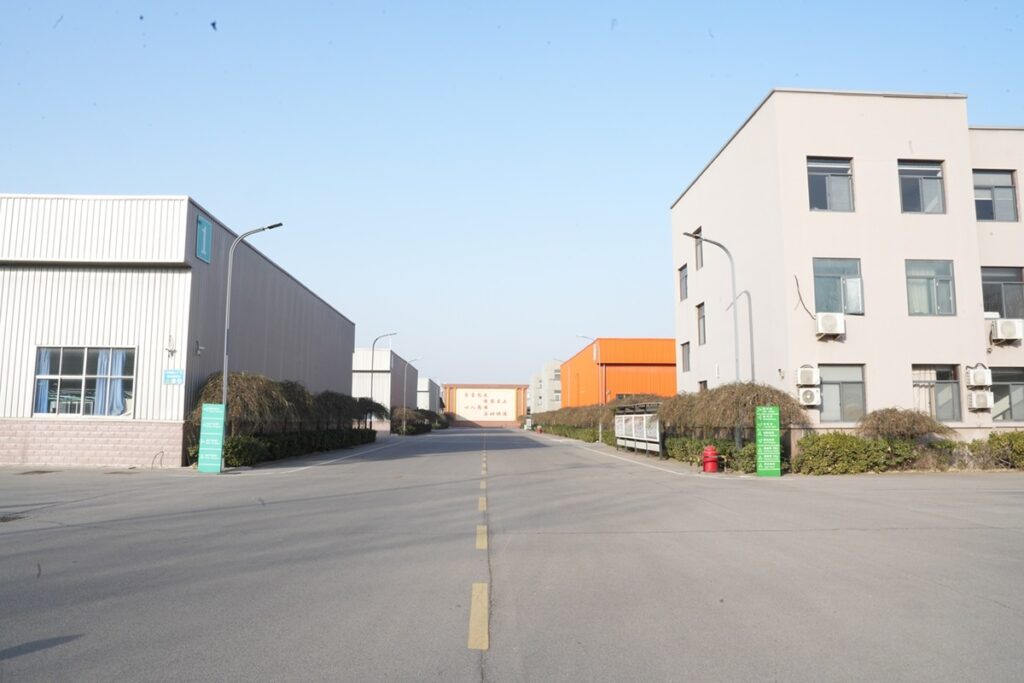
Choosing the right T-shirt manufacturer is one of the most crucial decisions for any apparel startup, brand owner, or corporate team planning to launch a private label or promotional clothing line. Whether you’re seeking a custom T-shirt manufacturer, an eco-friendly T-shirt supplier, or a reliable blank T-shirt manufacturer for screen printing or embroidery, finding the right partner can define your success in the fashion industry.
In this in-depth guide, we will walk you through the key aspects of selecting a trusted manufacturer, based on real-world experience and industry best practices. We will also explain why partnering with a seasoned and vertically integrated supplier like Sutex Apparel, a leading custom clothing manufacturer since 1992, can provide your brand with a long-term competitive edge.
Why Manufacturer Selection Matters
Behind every high-quality T-shirt is a network of processes: material sourcing, knitting, dyeing, cutting, sewing, finishing, and quality control. A good T-shirt manufacturer doesn’t just sew fabrics—they bring your designs to life, maintain product consistency, offer flexible minimums, and ensure on-time delivery.
With increasing demand for acid-wash T-shirts, drop shoulder silhouettes, and sustainable fashion, the expectations for manufacturing partners have never been higher. Let’s explore how to navigate the process of choosing the right supplier from concept to completion.
Key Types of T-Shirt Manufacturers
When starting your search, it’s essential to understand the types of manufacturers in the market:
-
Custom T-Shirt Manufacturers – They provide full-package services (design, sampling, pattern making, private labeling).
-
Blank T-Shirt Manufacturers – Offer ready-to-ship, undecorated T-shirts in bulk, typically for screen printers or promotional brands.
-
Acid Wash T-Shirt Manufacturers – Specialize in vintage and stonewash finishes using unique dyeing and washing techniques.
-
Eco-Friendly T-Shirt Manufacturers – Utilize sustainable materials such as organic cotton, bamboo, or recycled polyester, along with low-impact dyes.
-
Drop Shoulder T-Shirt Manufacturers – Focus on modern streetwear fits with oversized, relaxed tailoring.
-
Best Chinese T-Shirt Manufacturers – Provide a balanced mix of price, quality, and scalability, often offering OEM/ODM services.
Sutex Apparel, for example, combines all these categories into one integrated service, making it ideal for brands aiming for customization, sustainability, and scalability.

How to Find the Right T-Shirt Manufacturer
Define Your Needs Clearly
Start by clarifying your requirements:
-
Type of T-shirt: basic, oversized, crop, longline, etc.
-
Fabric composition: cotton, polyester, blends, organic options
-
Quantity: Small batch or mass production
-
Printing techniques: screen print, DTG, heat press, embroidery
-
Customizations: neck label, hang tags, packaging
-
Delivery timelines
-
Budget per unit
Clear expectations help manufacturers assess feasibility and prepare accurate quotations.
Look for End-to-End Production Capabilities
Many clothing factories outsource parts of production—cutting, printing, dyeing, or even packaging—which can lead to delays and inconsistent quality. Opting for a vertically integrated manufacturer like Sutex Apparel, which controls every stage from yarn spinning to finished garment, ensures better oversight and streamlined processes.
Sutex Apparel’s infrastructure includes:
-
China Factory:
-
100,000m² factory area
-
1,000+ skilled workers
-
800,000+ monthly capacity
-
-
Overseas Factory:
-
200,000m² facility
-
7,500+ skilled workers
-
3,000,000+ monthly capacity
-
Such a scale enables flexibility in order size and guarantees delivery even during peak seasons.
Check Experience and Market Focus
How long a manufacturer has been in business tells you a lot about their reliability. Factories like Sutex, with over 30 years of experience, have weathered industry shifts, built long-term relationships, and refined their production systems.
Ask:
-
Do they specialize in knitted garments like T-shirts?
-
Have they produced for overseas clients before?
-
Are they familiar with your market’s quality and sizing standards?
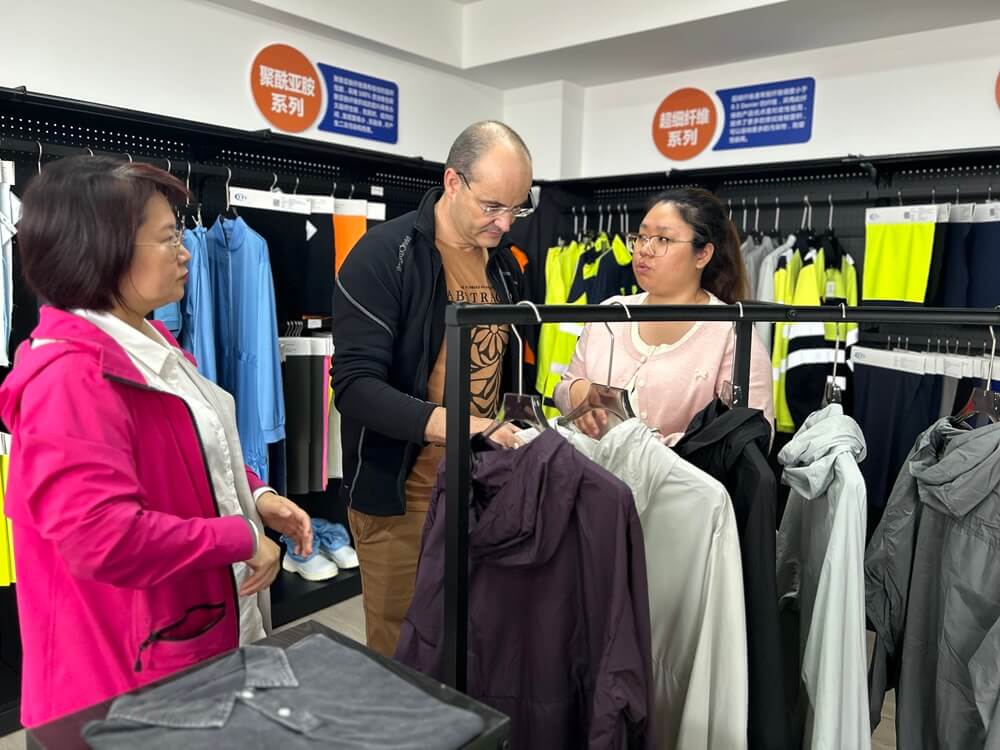
Evaluate Customization Flexibility
Customization is at the heart of brand differentiation. A good custom T-shirt manufacturer should be able to offer:
-
Tech pack development
-
Prototyping & sampling
-
Wide fabric sourcing options
-
Custom color dyeing (Pantone matching)
-
Embroidery, screen printing, and acid washing
-
Labeling & packaging options
Sutex Apparel provides comprehensive OEM and ODM services, offering complete customization for fashion brands, sportswear lines, and corporate wear alike.
Prioritize Eco-Friendly Manufacturing Practices
In today’s market, sustainability isn’t a trend—it’s a requirement. Consumers are actively choosing brands that align with their environmental values.
Work with an eco-friendly T-shirt manufacturer that incorporates:
-
Sustainable fabrics: organic cotton, bamboo, RPET
-
Water-saving dye processes
-
Waste reduction systems
-
Energy-efficient machinery
-
Ethical labor practices
Sutex is deeply committed to low-carbon production by integrating green practices at every stage, from sourcing to final delivery.
Request Factory Certifications
Reputable manufacturers will have relevant certifications that reflect their quality and ethical standards. Ask for:
-
ISO 9001 (quality management)
-
OEKO-TEX Standard 100 (safe textiles)
-
GOTS or BCI (organic and responsible cotton)
-
WRAP or BSCI (social compliance audits)
Certifications also reduce your business risks when entering large retail chains or international markets.
Ask for Product Samples
Never skip the sampling process. Even the best Chinese T-shirt manufacturer must be tested for:
-
Fabric weight & feel
-
Stitching quality
-
Print durability
-
Fit & sizing accuracy
-
Colorfastness
Sutex Apparel provides full-sample development services before order confirmation, allowing clients to test and approve every detail.
Evaluate Communication & Responsiveness
A reliable manufacturer communicates openly and promptly. Look for:
-
English-speaking merchandisers
-
Transparent timelines & production plans
-
Fast responses to revisions or issues
-
After-sales support
Smooth communication is essential to avoid errors, especially in custom orders.
Benefits of Working with Sutex Apparel
For over three decades, Sutex Apparel has stood at the forefront of textile manufacturing, combining quality, scale, and service excellence. Here’s why they’re a preferred partner:
-
Established in 1992 with decades of OEM/ODM experience
-
Full control over the supply chain, ensuring quality and consistency
-
Large-scale production capabilities for both small brands and bulk orders
-
Support for a wide range of styles, including acid wash, drop shoulder, and eco-friendly lines
-
Strong commitment to sustainability and responsible production
-
One-stop service from concept to shipping
Whether you’re launching a streetwear line or corporate T-shirts, Sutex can tailor solutions for your needs.
Common Mistakes to Avoid
Even experienced buyers can make errors when sourcing manufacturers. Avoid these pitfalls:
-
Choosing purely on price – Low cost often sacrifices quality, ethics, or communication.
-
Skipping due diligence – Always vet certifications, factory visits (if possible), and sample approval.
-
Ignoring scalability – Can your manufacturer grow with you if your order volume triples?
-
Neglecting sustainability – A short-sighted decision today may damage your brand’s reputation tomorrow.
Your T-Shirt Brand Deserves a Strong Manufacturing Partner
Choosing a T-shirt manufacturer isn’t just a sourcing decision—it’s a strategic partnership that influences your brand’s growth, product quality, and customer satisfaction.
From fabric choice to eco-conscious dyeing, from custom label design to large-scale fulfillment, every step matters. And with global competition rising, working with a trustworthy, experienced, and innovative supplier like Sutex Apparel can be the difference between success and struggle.
Sutex’s mission is clear: to deliver exceptional custom apparel solutions, combining Chinese manufacturing strength with international quality standards. Whether you’re seeking blank T-shirt manufacturers, drop shoulder trends, or acid wash expertise, your vision will be in capable hands.
Contact Sutex Apparel
Don’t hesitate to contact us if you have any questions.
📞 Call Us: 86-13815438388
📧 Mail Us: sale@sutexapparel.com
🌐 Visit: www.sutexapparel.com
We ensure the highest standards in product quality, safety, and sustainability.
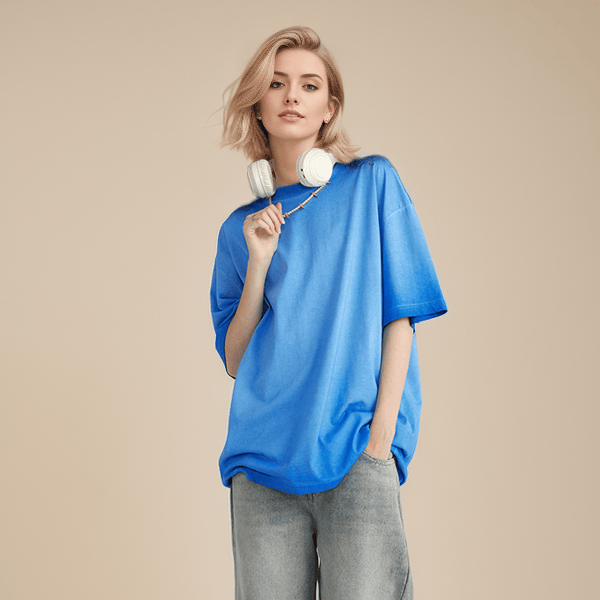
The acid-washed t-shirt is back—and stronger than ever. Once a defining feature of 80s rock fashion, it has found new life in today’s streetwear culture, minimalistic wardrobes, and fashion-forward circles. From bold black washes to subtle grey tones, oversized silhouettes to print-ready blanks, acid wash finishes are more versatile than you might think.
We’ll cover the key styles, materials, sizing, and how acid-washed t-shirts are impacting today’s fashion industry. Whether you’re a brand seeking acid-washed blank t-shirts, a buyer searching for a grey acid-washed t-shirt, or someone looking for the perfect acid-washed t-shirt for men, this article has you covered.
What is an Acid Washed T Shirt?
An acid-washed t-shirt is created by chemically or mechanically distressing the fabric, resulting in a faded, marbled, or vintage appearance. This style became popular in the 1980s but has since evolved with modern manufacturing methods.
Acid washing doesn’t necessarily involve actual acid; most techniques use diluted bleach, pumice stones, or potassium permanganate to strip dye from the fabric selectively.

Popular Variations of Acid Washed T Shirts
To help buyers, designers, or retailers distinguish among the different types of acid-washed t-shirts available, here’s a simple comparison table:
| Type | Description | Target Audience | Typical Colors |
|---|---|---|---|
| Grey Acid Washed T Shirt | Subtle fading with soft neutral tones; easy to match | Minimalists, Unisex wearers | Charcoal, Heather Grey |
| Acid Washed Blank T Shirt | No logos or prints; used for DIY or branding | Clothing startups, POD sellers | All colors, esp. black/grey |
| Acid Washed T Shirt Men | Structured fit, rugged colors | Male buyers, streetwear fans | Olive, Rust, Navy, Black |
| Oversized Acid Washed T Shirt | Relaxed fit, longer sleeves, and body | Gen Z, Fashion-forward users | Light grey, faded black |
| Acid Washed Black T Shirt | Classic vintage feel with contrast fading | Rock/punk fans, minimalists | Jet black with grey marbling |
Fabric & Fit Guide
Not all acid-washed shirts are created equal. The type of fabric and fit can drastically affect the look, durability, and comfort.
| Fabric Type | Properties | Best For |
|---|---|---|
| 100% Cotton | Breathable, natural, easy to wash | Everyday wear, customization |
| Cotton-Polyester Blend | More durable, shrink-resistant | Sportswear, long-lasting prints |
| Ring-Spun Cotton | Softer, higher-end feel | Premium retail |
| Jersey Knit | Lightweight and stretchy | Casual and summer wear |
Style Inspirations: How to Wear Acid Washed T Shirts
The acid-washed T-shirt is extremely versatile. Whether you want a laid-back weekend look or a stylish grunge vibe, here are some outfit ideas:
| Style | Pair With | Occasion |
|---|---|---|
| Streetwear Casual | Cargo pants + sneakers + chain necklace | Urban daywear |
| Minimalist Edge | Black skinny jeans + grey acid-washed tee | Gallery visits, casual dinners |
| Retro Revival | Ripped jeans + acid-washed black t-shirt + boots | Night out, concerts |
| Oversized Vibe | Biker shorts or joggers + oversized tee | Campus, errands |
| Layered Look | Acid-washed blank t-shirt under a denim jacket | Year-round styling |
Market Insights & Buyer Trends
Acid Washed T Shirts: Search Trend Data (2020–2024)
| Year | Search Volume (Global) | YoY Growth |
|---|---|---|
| 2020 | 18,000 avg. monthly searches | — |
| 2021 | 23,500 avg. monthly searches | +30.5% |
| 2022 | 28,000 avg. monthly searches | +19.1% |
| 2023 | 34,000 avg. monthly searches | +21.4% |
| 2024 | 41,500 avg. monthly searches (est.) | +22.1% |
Insight: The steady growth of acid washed apparel reflects a broader consumer interest in vintage aesthetics and sustainable fashion narratives.

Wholesale & Private Label Options
For businesses sourcing acid-washed shirts for resale or custom printing, the acid-washed blank t-shirt is a must-have in your product catalog.
| Sourcing Tips | Why It Matters |
|---|---|
| Choose pre-shrunk fabrics | Reduces size variability after washing |
| Look for double-stitched hems | Ensures durability |
| Opt for side-seamed construction | Offers a better fit than tubular designs |
| Request garment-dyed finish | Improves softness and visual consistency |
| Offer customization | Add screen printing, embroidery, or DTG |
Common Consumer Questions
| Question | Answer |
|---|---|
| Will acid-washed t-shirts fade more over time? | Slightly, but high-quality washes are stabilized to prevent excessive fading. |
| Can I print logos on acid-washed blank t-shirts? | Yes, but test ink adhesion first. Screen printing or DTG works well. |
| Are acid-washed T-shirts unisex? | Most are! Oversized styles especially suit all genders. |
| How should I wash my acid-washed tee? | Cold wash inside out, avoid bleach or harsh detergents. Air dry when possible. |
| Are these t-shirts sustainable? | Many brands now use organic cotton and non-toxic washes to meet eco-standards. |
Regional Style Preferences
Acid-washed fashion is popular worldwide, but preferences differ across countries.
| Region | Preferred Style | Notes |
|---|---|---|
| USA | Oversized & black acid-washed t-shirts | Common in streetwear scenes |
| UK | Slim fit, minimalist greys | Popular in urban and hipster communities |
| Australia | Blank t-shirts for surf/street blends | Often paired with shorts |
| Japan | Boxy fit, bold dyes | Statement pieces for fashion-forward crowds |
| Germany | Workwear-inspired acid-washed shirts | Paired with boots and structured outerwear |
Buying Guide: What to Look for in an Acid Washed T Shirt
| Checklist | Why It’s Important |
|---|---|
| Weight (GSM) | 180–220 GSM is ideal for durability |
| Fit Type | Oversized, boxy, or tailored options suit different audiences |
| Colorfastness | Prevents excess dye loss during wash |
| Neck Finish | Ribbed collar improves structure |
| Labeling | Tear-away or blank label for rebranding ease |
Final Thoughts
The acid-washed t-shirt is more than just a passing trend—it’s a wardrobe essential with deep roots in vintage subcultures and modern fashion alike. Whether you’re drawn to the raw character of an acid-washed black t-shirt, the clean canvas of an acid-washed blank t-shirt, or the laid-back appeal of a grey acid-washed t-shirt, this style adapts to your personality and lifestyle.
For individuals, it’s a fashion statement.
For businesses, it’s an opportunity.
For everyone—it’s comfort with edge.

Summer is the peak season for travel. Whether it is island surfing, forest hiking, or urban exploration, high temperatures, ultraviolet rays, and sweat often make people have higher requirements for the comfort and functionality of their outfits. Especially in outdoor environments with strong sunlight, physical sunscreen is more direct and effective than chemical sunscreen. A qualified UV Protection T-Shirt has become a must-have item for summer travel.
There is a wide variety of sunscreen T-shirts on the market. Which one is effective? In addition to the “light, quick-drying, and sunscreen” that consumers care about, brands and channels are more concerned about: Is there room for customization? Is the quality up to standard? Can the production capacity keep up? Can the testing standards meet the export standards?
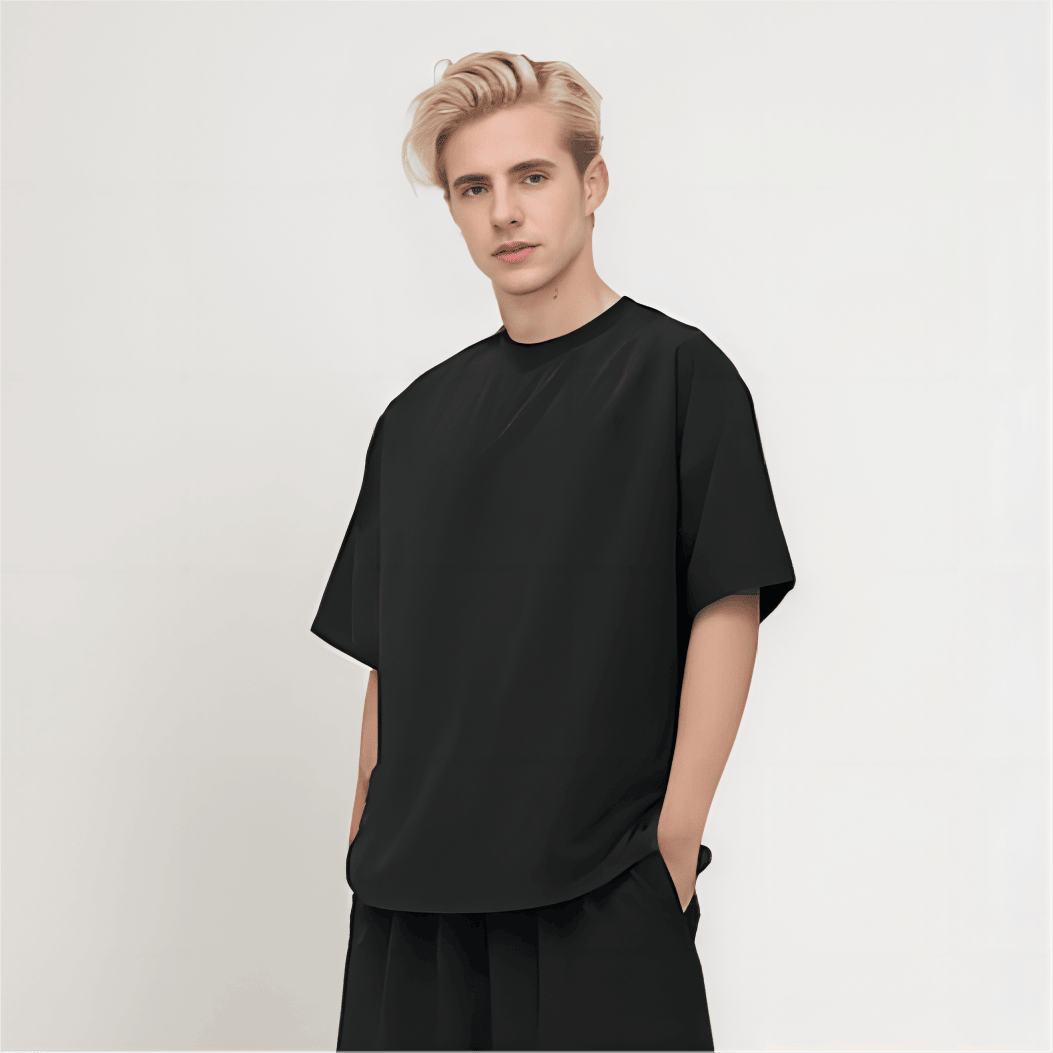
What is a UV Protection T-Shirt?
A UV Protection T-Shirt is a garment designed with ultraviolet shielding technology to block UVA/UVB radiation through specialized fabrics or treatments, minimizing sunburn, tanning, and even long-term photoaging.
The globally recognized sun protection standard is UPF (Ultraviolet Protection Factor):
- UPF 15–24: Good protection
- UPF 25–39: Very good
- UPF 40–50+: Excellent protection (blocks ≥97% of UV rays)
A qualified UV T-shirt not only delivers reliable UV defense but also ensures breathability, moisture-wicking, comfort, and durability.

Why Are UV T-Shirts Gaining Popularity?
- Health Awareness: As people realize chemical sunscreen has its limits, sun-protective clothing becomes the most stable outdoor barrier.
- Multi-Scenario Use: Ideal for travel, urban commuting, business casual, and outdoor sports—combining function and fashion.
- Not Just Functional, But Comfortable: Advanced textile tech enables breathable, lightweight, non-stuffy fabrics.
- Eco-Conscious Appeal: Recycled polyester, bamboo fiber, and non-toxic dyes align with global sustainability trends.
Key Strengths of a Truly Excellent UV Protection T-Shirt
① Advanced Materials
- UPF 50+ with permanent sun protection (woven-in or nano-treated, not post-coated)
- Moisture-wicking dual-layer yarns: Hydrophobic inner, hydrophilic outer
- Cool-touch fibers for enhanced next-to-skin comfort
- GRS-certified recycled polyester and OEKO-TEX-certified dyes
② Lightweight Engineering
- Total garment weight <120g (for short-sleeve styles)
- Anti-chafe design at seams, flatlock stitching
- Overlocked cuffs and hems for added durability and comfort
③ Flexible Custom Manufacturing
- MOQ starts from 300 pieces/style
- Support for OEM/ODM, 3D prototyping, print/embroidery customization
- Fast turnaround: 7 days for sampling, 25–30 days for mass production
④ Certified Testing
- UPF testing (AATCC 183 / AS/NZS 4399)
- Color fastness ≥ Level 4
- Moisture-wicking standard per GB/T 21655.1
- No formaldehyde, no fluorescent agents
- Assistance with TÜV, SGS, and Intertek documentation
⑤ Export-Ready Logistics
- E-commerce-friendly packaging: zip bags, QR labels, compressed shipping
- Supports dropshipping, FBA-ready supply, and bonded warehouse storage
- Complete export documents: certificate of origin, invoices, declarations
Recommended Custom Styles for UV Protection T-Shirts
| Style No. | Style Name | Fabric Highlights | UPF Rating | Recommended Scene |
|---|---|---|---|---|
| 01 | Minimalist Cool Tee | Cool Polyester | UPF 50+ | Urban commute, office |
| 02 | Quick-Dry Outdoor Tee | Micro-mesh + Sweat-wicking | UPF 40+ | Hiking, running, camping |
| 03 | Hooded Long Sleeve Tee | High-stretch + Water repellent | UPF 50+ | Fishing, beach, sailing |
| 04 | Polo Collar Tee | Absorbent Pique Cotton | UPF 30+ | Golf, casual business |
| 05 | Kids’ UV T-Shirt | Soft Cotton Blend | UPF 50+ | Outdoor camp, school trip |
| 06 | Eco-Friendly RPET Tee | Recycled Polyester | UPF 40+ | Sustainable brands |
| 07 | Business Travel Tee | Wrinkle-resistant dual-layer | UPF 30+ | Travelers, conferences |
| 08 | Mesh Patchwork Tee | Breathable mesh back | UPF 40+ | Fitness, outdoor active |
| 09 | Printed UV Tee | Thermal print + Wicking base | UPF 30+ | Events, trendy travel |
| 10 | Slim Cool Stretch Tee | Nylon-Spandex Blend | UPF 50+ | Yoga, shaping, gym |
All models support branding services, including logo printing, eco-packaging, wash label/tag customization, and OEM/ODM design.

About Us – Your Smart Apparel Manufacturing Partner
Since our establishment, we have focused on providing comprehensive OEM and ODM services in the knitted apparel sector, delivering full-spectrum garment manufacturing solutions from concept to final production.
Our core product lines include T-shirts, polo shirts, sweatshirts, hoodies, and lightweight jackets, all of which are designed and developed by our in-house team. We take pride in our ability to turn ideas into high-quality products that meet global market demands, supporting both large-scale and flexible low-MOQ orders.
We operate a vertically integrated facility with advanced knitting, cutting, sewing, printing, and packaging capabilities. Our daily production capacity reaches 8,000 pieces per style. Our lean system ensures consistent quality and on-time delivery, even during peak promotional periods.
Eco-Friendly & Certified
Sustainability is a pillar of our operations. We adopt:
- GRS-certified recycled fabrics
- OEKO-TEX non-toxic dyes
- Energy-saving equipment
- Low-waste cutting and production workflows
Quality Assurance
Each garment undergoes 100% inspection and is fully traceable. Optional third-party testing (SGS, TÜV, Intertek) is available upon request.
Global-Focused Support
- 50+ cross-border brands served
- Familiar with Amazon, SHEIN, and TEMU requirements
- Bilingual English-Chinese team
- Responsive sampling: 3–5 days
- Custom logistics documentation for global shipping
A UV Protection T-Shirt is more than just sunwear—it’s a fusion of science, comfort, sustainability, and style. For brands and retailers, choosing the right supplier is the first step toward delivering value to consumers and standing out in a competitive apparel market.
If you’re a brand owner, wholesaler, or e-commerce seller looking for a reliable factory partner, we welcome you to contact us for samples, testing certifications, and customized solutions. Let’s build high-performing products that protect skin, promote health, and support long-term brand growth.
Moisture-wicking t-shirts have become a mainstay for athletes, travelers, and everyday wearers who want comfort, plus breathability and dryness in any condition. But not all moisture-wicking shirts or moisture-wicking t-shirts are created equal. What fabric used will play a critical role in how effectively the moisture-wicking t-shirt manages sweat, regulates temperature, and provides long-lasting comfort.
In this write-up, we take a detailed look at the technology and functionality of different materials to respond to one major query: What fabric makes the top moisture-wicking t-shirt? From man-made choices like polyester and nylon to organic substitutes like merino wool and bamboo, we’ll examine the advantages, disadvantages, and abilities of each. Let us begin.
Knowing Moisture Wicking: What Is The True Meaning?
Moisture-wicking is the attribute of a fabric whereby it draws moisture (usually sweat) away from the skin and transfers it to the outer side of the fabric where it can evaporate more easily. The aim is to keep the wearer dry and comfortable, but more so during any physical activity, especially when wearing a moisture-wicking t-shirt.
For a fabric to be truly moisture-wicking, it needs two key characteristics:
- Hydrophobic properties – to resist absorbing moisture
- Capillary action – to carry sweat up through the fibers to the surface of the fabric
Now that we know how it works, let’s find out which fabrics do it best for a moisture-wicking t-shirt.
The Leading Moisture-Wicking Fabrics Compared
1. Polyester: The Industry Standard
Overview:
Polyester is the most popular fabric in moisture-wicking tees and moisture-wicking t-shirts because it is water-hating and very adaptable.
Advantages:
- Does not absorb water; dries fast
- Strong; holds shape well even after many washes
- Light and cheap
- Can be designed with mesh or air panels for more breathability in a moisture-wicking t-shirt
Downsides:
- Keeps smells over time
- Not eco-friendly as it doesn’t decompose
Verdict:
Best for: Intense workouts, team jerseys, gym wear
Performance rating: ★★★★☆
2. Nylon: Strong, Smooth, and a Little Better Than Polyester
Overview:
Nylon is very close to polyester in terms of features. It’s a bit stronger and smoother, making it a good choice for a moisture-wicking t-shirt.
Why It’s Good:
- Better abrasion resistance (good for high movement activities)
- Feels softer on the skin
- Also does not allow water in easily
Drawbacks:
- A little bit more money than polyester
- Retains heat easily (can get warm in summer)
Verdict:
Best for: Running, outdoor training, climbing
Performance rating: ★★★★☆
3. Merino Wool: The Classic Natural High Performer
Overview:
Merino wool may sound like an odd choice for activewear, but it is a favorite among outdoorsmen for good reasons, especially when choosing a moisture-wicking t-shirt.
Why It’s Good:
- Excellent moisture management by natural wicking and evaporation
- Thermoregulating: keeps you warm when cold and cool when hot
- Odor-resistant naturally
- Biodegradable
Drawbacks:
- Expensive
- Can be less durable in high-friction areas
- Takes longer to dry compared to synthetic fabrics.
Verdict:
Best for: Hiking, travel, winter workouts
Performance rating: ★★★★★ (with premium price)
4. Bamboo Viscose: Eco-Friendly and Soft
Overview:
Fabrics derived from bamboo have gained popularity for being sustainable and good for the skin, making bamboo fabric a nice option for a moisture-wicking t-shirt.
Why It’s Good:
- Naturally moisture-wicking and breathable
- Antibacterial properties (reduces odor)
- Extremely soft and gentle on the skin
Drawbacks:
- Not as durable as synthetics
- The production process for viscose can be heavy on chemicals
Verdict:
Best for: Daily wear, yoga, eco-conscious users
Performance rating: ★★★★☆
5. Polypropylene: Lightweight and Water-Resistant
Overview:
Frequently employed in base layers and outerwear, polypropylene is very good at staying dry, which is important in a moisture-wicking t-shirt.
Why It’s Good:
- Hydrophobic – does not take in moisture at all
- Super lightweight
- Good insulation and water resistance
Drawbacks:
- Melts at lower temperatures (not good for hot surroundings)
- Can feel plasticky
- Not as breathable as other options
Verdict:
Best for: Base layers, cold-weather activities
Performance rating: ★★★★☆
7. Tencel (Lyocell): Eco-Friendly and Soft
Overview:
Tencel is a brand of Lyocell that comes from wood pulp. It is pretty green and it works well as a moisture-wicking t-shirt fabric.
Why It’s Good:
- Soft, smooth, and breathable
- Wicks moisture away, dries fast
- Sustainable. Biodegradable.
Drawbacks:
- More absorbent than polyester (may retain moisture if not blended)
- Less common in high-performance gear
Verdict:
Best for: Casual athleisure, light activity, warm-weather wear
Performance rating: ★★★☆☆
Many modern moisture-wicking t-shirts aren’t made from one fabric. They come from mixes, such as:
- Polyester + Spandex → adds stretch and movement
- Merino Wool + Nylon → makes it stronger without losing its natural qualities
- Bamboo + Cotton → adds softness while still keeping shape
Mixed fabrics often find a good balance between comfort, function, and price for a moisture-wicking t-shirt.
What Makes a Great Moisture-Wicking T-Shirt (Beyond Fabric)?
With the best fabric, it takes more than that to make an outstanding moisture-wicking t-shirt. Overall performance will come down to:
- Fabric Weight: Lighter fabrics wick and dry faster
- Weave & Knit: Open weaves or mesh improve breathability
- Fit: Athletic cuts sit closer to the skin, improving wicking action
- Treatment/Finish: Some fabrics are treated with moisture-wicking coatings
High-performance moisture-wicking t-shirts require not just material, but also construction details.
The Best Fabric by Use Case
| Use Case | Recommended Fabric |
|---|---|
| Intense Workout | Poly or Nylon |
| Hiking | Merino Wool or Poly Blend |
| Casual | Bamboo or Cotton-Blend |
| Travel | Merino Wool or Tencel |
| Hot Climates | Polyester Mesh or Tencel |
| Cold Climates | Polypropylene or Wool |
Which Fabric Makes a Good Moisture-Wicking Tee?
There is no single best moisture-wicking t-shirt — it varies according to your needs, budget, and what you find comfortable.
For pure performance, polyester remains a great choice.
For sustainability plus comfort, merino wool and bamboo are preferred.
For all-day activewear, mixes like polyester with spandex or wool, along with nylon, often provide the best of both worlds in a moisture-wicking t-shirt.
When looking for your next moisture-wicking t-shirt, read the tags carefully, consider how you will use it, and invest in fabric that matches your lifestyle. After all, the right moisture-wicking t-shirt can keep you cooler, drier, and more focused— whether you’re running a marathon or running errands.