
Abstract
This comprehensive guide explores the fundamental differences between knit and woven clothing, examining their construction methods, structural characteristics, performance properties, and optimal applications in apparel manufacturing.
Understanding these distinctions enables informed sourcing decisions for B2B buyers in the textile and garment industries. While both fabric types serve essential roles in commercial textile production, their divergent manufacturing processes create distinct performance profiles that directly impact product selection, cost structures, and end-use suitability.
This analysis provides procurement professionals with technical criteria for fabric specification, quality benchmarking protocols, and application-matched sourcing strategies that optimize total cost of ownership across diverse apparel categories.
Construction Methods: Knitting vs. Weaving
How Knit Fabrics Are Made?
Knit fabrics are constructed through a continuous interlocking loop formation process where a single yarn or multiple yarns create successive rows of loops that interlock vertically and horizontally. The fundamental unit—a loop consisting of a head, two legs, and two feet—connects to adjacent loops through mechanical manipulation rather than perpendicular interlacement. Modern circular knitting machines operate at speeds exceeding 40 revolutions per minute, producing tubular fabrics with diameters ranging from 12 to 60 inches, while flat knitting machines create open-width fabrics with selvedge edges.
The yarn path in knitting follows a meandering course, alternating between needles in a sequential pattern that determines fabric structure. Weft knitting (most common in apparel) feeds yarn horizontally across the fabric width, with each course representing one complete yarn passage. Warp knitting utilizes multiple yarn systems running vertically, creating more stable structures suitable for technical textiles. Production machinery includes single jersey machines for basic T-shirt fabrics, rib machines for cuffs and waistbands, and interlock machines for double-face constructions. Gauge measurement (needles per inch) directly influences fabric weight and stretch properties, with typical apparel gauges ranging from 18 to 32.
How Woven Fabrics Are Constructed?
Woven fabrics result from the perpendicular interlacement of two distinct yarn systems: warp yarns (lengthwise, parallel to selvedge) and weft yarns (crosswise, filling). Loom operation follows a four-step cycle: shedding (separating warp yarns into upper and lower layers), picking (inserting weft yarn through the shed), beating (pushing weft yarn against the face of the cloth), and taking-up (advancing completed fabric). Modern air-jet and rapier looms achieve insertion rates exceeding 1,200 picks per minute, with production widths spanning 150 to 360 centimeters.
The three fundamental weave structures govern fabric characteristics: plain weave creates maximum interlacement frequency (each weft crosses alternating warps), producing durable, balanced fabrics like poplin and canvas; twill weave generates diagonal lines through staggered interlacement, offering superior drape and abrasion resistance in denim and gabardine; satin weave minimizes interlacement points to create lustrous surfaces with floating yarns, exemplified in sateen and charmeuse constructions. Thread count (ends per inch × picks per inch) serves as a primary quality indicator, with premium shirting fabrics exceeding 200 threads per inch. Warp tension control, beam preparation quality, and sizing application critically affect production efficiency and fabric uniformity.
Key Structural and Performance Differences
Physical Characteristics Comparison
The loop-based architecture of knit fabrics delivers inherent mechanical stretch ranging from 25% to 200%, depending on construction type, while woven fabrics exhibit minimal elongation (typically under 5%) unless elastomeric yarns are incorporated. This fundamental difference dictates comfort profiles: knit garments conform to body contours through elastic recovery, whereas woven garments maintain dimensional stability and structured silhouettes. Breathability varies significantly—single jersey knits provide superior air permeability (150-250 cubic feet per minute per square foot) compared to tightly woven fabrics (50-120 CFM/ft²), making knits preferable for activewear applications.
Drape characteristics diverge based on structural rigidity: woven fabrics demonstrate crisp, angular drape suitable for tailored garments, while knits exhibit fluid, body-conforming drape. Weight ranges overlap considerably, though production methods influence typical values: lightweight single jersey knits start at 120 GSM (grams per square meter), while comparable woven voiles begin at 80 GSM. Recovery properties—the ability to return to original dimensions after deformation—favor knits for applications requiring repeated stretching, whereas woven fabrics excel in shape retention for structured garments.
Knit vs. Woven Fabric Comparison Matrix
| Property | Knit Fabrics | Woven Fabrics |
|---|---|---|
| Stretch (%) | 25-200% (bi-directional) | <5% (unless elastane added) |
| Åndbarhed | High (150-250 CFM/ft²) | Moderate (50-120 CFM/ft²) |
| Vurdering af holdbarhed | Moderate (prone to snagging) | High (superior abrasion resistance) |
| Wrinkle Resistance | Excellent (elastic recovery) | Low to Moderate (requires finishing) |
| Typical Weight Range | 120-300 GSM | 80-400 GSM |
| Production Speed | 40+ RPM (circular knitting) | 800-1200 PPM (weaving) |
| Dimensional Stability | Moderate (relaxation shrinkage) | High (minimal distortion) |
| Fraying Tendency | Low (runs/ladders instead) | High (requires edge finishing) |
Durability and Maintenance Requirements
Woven fabrics demonstrate superior abrasion resistance due to yarn interlacement stability, achieving 50,000+ Martindale cycles in workwear applications compared to 15,000-25,000 cycles for standard knits. However, knit structures resist tearing forces more effectively—a pulled loop redistributes stress across the fabric rather than propagating a straight tear. Dimensional stability challenges differ: knits experience relaxation shrinkage (3-8% in the first wash) as loops adjust to equilibrium positions, while wovens undergo minimal shrinkage (<2%) when properly finished with sanforization or compressive treatments.
Care instruction complexity varies by construction. Woven cotton garments withstand high-temperature washing (60-90°C) and aggressive mechanical action, suitable for industrial laundry processing. Knit fabrics require gentler handling—medium temperatures (30-40°C), reduced agitation, and flat drying to prevent distortion. Commercial lifespan expectations under institutional use conditions: woven uniforms typically deliver 75-100 wash cycles before replacement, while knit garments achieve 50-75 cycles. Pilling resistance favors tightly woven structures, though modern anti-pilling finishes on knits narrow this performance gap.
Commercial Applications and Product Categories
Typical Knit Clothing Applications
Knit fabrics dominate categories requiring comfort, flexibility, and body-conforming fit. T-shirt manufacturing represents the largest volume application, with single jersey cotton and cotton-polyester blends accounting for over 2 billion units annually in global trade. Activewear and athleisure segments leverage moisture-wicking polyester knits (often incorporating spandex at 5-15%) for yoga pants, running tops, and compression garments where four-way stretch enhances performance.
Underwear production relies almost exclusively on knit constructions—cotton jersey for everyday basics, modal blends for premium comfort, and technical knits with antimicrobial treatments for performance underwear. Hosiery manufacturing utilizes fine-gauge warp knitting (up to 400 needles per inch) to create sheer, elastic stockings and socks with engineered compression zones. The casualwear segment employs fleece knits (brushed on interior surfaces) for sweatshirts and loungewear, while interlock and rib knits serve polo shirts and children’s apparel requiring durability with stretch.
Common Woven Clothing Uses
Woven fabrics establish industry standards for formal wear, where structured silhouettes and crisp appearance define quality expectations. Men’s dress shirts utilize poplin, Oxford, and twill weaves in thread counts from 80 to 200+, with long-staple cotton yarns delivering superior hand feel. Suit manufacturing depends on worsted wool twills and plain weaves, where dimensional stability maintains sharp creases and tailored lines through extended wear cycles.
Outerwear applications exploit woven fabrics’ superior wind resistance and layering capability. Canvas jackets, denim workwear, and technical shell garments employ tightly woven constructions with water-repellent finishes. Industrial workwear specifies heavy twills (280-400 GSM) meeting EN ISO 13688 standards for protective clothing, where abrasion resistance and tear strength prove critical. Home textile markets consume vast quantities of woven fabrics—bed linens utilize percale and sateen weaves, upholstery relies on jacquard and dobby constructions, and drapery fabrics employ decorative weave patterns for aesthetic appeal.
Sourcing Considerations for B2B Buyers
Cost Analysis and MOQ Factors
Raw material costs constitute 45-60% of finished fabric pricing for both categories, though processing expenses diverge significantly. Knitting operations require lower capital investment (circular knitting machines: $30,000-$80,000) compared to weaving infrastructure (air-jet looms: $80,000-$150,000), influencing price-per-meter calculations. Standard cotton jersey wholesales at $2.50-$4.00/meter, while comparable woven poplin ranges $3.00-$5.50/meter due to higher production complexity and slower output rates.
Minimum order quantities reflect production efficiency thresholds: knit fabric suppliers typically specify 500-1,000 meters per color/construction, while woven fabric MOQs start at 1,500-3,000 meters due to loom setup requirements and beam preparation costs. Lead times for stock-supported basics (white, black, navy) average 15-25 days for knits versus 25-35 days for wovens. Custom color development extends timelines by 10-15 days for both categories, with dye lot consistency more challenging in knits due to tension variations during processing.
Production planning must account for yield differences: knit fabrics experience 8-12% waste during cutting due to edge curling and relaxation, while woven fabrics generate 5-8% waste. However, knit garment assembly proves faster (15-20% time reduction) due to fewer seam treatments and simplified construction techniques, partially offsetting higher material waste.
Quality Control Standards
International testing protocols establish objective performance benchmarks for procurement specifications. ASTM D3887 governs knit fabric dimensional changes, measuring relaxation shrinkage, consolidation shrinkage, and growth after laundering cycles. ASTM D3775 standardizes woven fabric thread count determination through direct counting methods or automated optical analysis. ISO 13934-1 (tensile strength testing) applies to both fabric types, but with different acceptance criteria—woven fabrics typically demonstrate 2-3× higher breaking strength in warp direction compared to knit fabrics of equivalent weight.
Compliance requirements for international markets demand specific certifications: OEKO-TEX Standard 100 for chemical safety (mandatory for EU markets), REACH regulation conformity for restricted substances, and CPSIA compliance for children’s products in US markets. Functional performance testing includes ISO 12947 (abrasion resistance), ISO 6330 (domestic washing procedures), and AATCC 135 (dimensional changes). B2B buyers should specify pre-shipment inspection protocols covering fabric weight tolerance (±5%), color fastness minimums (Grade 4 for washing, Grade 3-4 for light), and defect acceptance levels (4-point system with maximum 28 points per 100 square yards).
Third-party laboratory testing costs range $800-$1,500 per fabric construction for comprehensive analysis, representing an essential investment for large-volume contracts exceeding 10,000 meters. Supplier qualification should verify ISO 9001 certification, production capacity documentation, and historical performance data on delivery reliability and quality consistency.
FAQ-modul
Q1: Can woven fabrics be made stretchy like knit fabrics?
Yes, through elastomeric yarn incorporation. Modern stretch woven fabrics blend 2-5% spandex (elastane) with cotton, polyester, or wool to achieve 15-30% elongation while maintaining the woven fabric’s structural characteristics. Mechanical stretch weaving techniques using textured yarns can deliver 10-15% stretch without elastomers. However, woven stretch fabrics never match the multi-directional elasticity or recovery speed. Applications include stretch denim, performance chinos, and fitted dress shirts, where moderate give enhances comfort without sacrificing tailored appearance.
Q2: Which fabric type is more suitable for high-volume uniform production?
Woven fabrics typically prove superior for institutional uniform programs due to extended service life (75-100 wash cycles vs. 50-75 for knits), dimensional stability that maintains professional appearance, and compatibility with industrial laundry processing at high temperatures. Healthcare uniforms increasingly specify polyester-cotton twills (65/35 blend) meeting NFPA 702 flame resistance standards. However, knit polo shirts dominate hospitality and retail uniforms, where comfort and ease of movement outweigh durability considerations. Total cost analysis should evaluate replacement frequency, laundering expenses, and end-user satisfaction metrics rather than initial purchase price alone.
Q3: How do shrinkage rates differ between knit and woven garments?
Knit fabrics experience greater dimensional change, primarily through relaxation shrinkage (3-8% in length, 2-5% in width during the first wash) as mechanically-stressed loops return to natural equilibrium positions. Woven fabrics shrink minimally (<2%) when properly finished with compressive shrinkage processes like sanforization. Critical mitigation strategies: specify compacted knit fabrics pre-shrunk to <3% residual shrinkage, require AATCC 135 test reports documenting dimensional stability after three wash cycles, and adjust pattern grading to compensate for predicted shrinkage. Polyester blends (50%+ synthetic content) significantly reduce shrinkage in both fabric types through fiber stability, though 100% cotton constructions remain preferred for comfort-critical applications despite higher dimensional change.
Konklusion
Selecting between knit and woven clothing for B2B procurement demands systematic evaluation of application requirements, performance priorities, and total cost considerations beyond unit pricing. Knit fabrics deliver unmatched comfort, flexibility, and production efficiency for casualwear, activewear, and undergarments where body conformity and ease of movement define product success. Woven fabrics establish quality standards for formal wear, workwear, and applications requiring structural integrity, durability, and professional appearance retention through extended use cycles.
Critical decision factors include: end-use performance requirements (stretch vs. stability), maintenance infrastructure compatibility (industrial vs. gentle laundering), expected service life under actual use conditions, and regulatory compliance mandates for target markets. Sophisticated buyers recognize that fabric construction represents only one variable in garment quality—yarn selection, finishing treatments, construction techniques, and quality control rigor equally influence product performance and customer satisfaction. Successful sourcing strategies integrate technical specification development, supplier qualification protocols, and ongoing performance monitoring to optimize value delivery across diverse apparel categories.
Abstract
The concept of funktionelt tøj has evolved significantly alongside advancements in textile science and material engineering, as well as in response to consumer demand for performance-driven clothing.
According to Gupta and Zakaria (2022) in the Journal of Industrial Textiles, functional apparel is defined as garments designed to provide performance characteristics that go beyond basic aesthetics, such as moisture management, thermal regulation, antimicrobial protection, and mechanical support.
Furthermore, the Textile Research Journal (2023) highlights that the integration of smart fibres and nanotechnology has expanded the classification of functional apparel into multiple high-performance categories, including protective, medical, and smart textiles.
This article provides a comprehensive, industry-level analysis of functional apparel, covering its definition, classification, materials, manufacturing technologies, applications, and future trends, and offering insights that go beyond standard market overviews.
Introduction: The Rise of Functional Apparel
In the modern apparel industry, clothing is no longer just about providing basic coverage or aesthetic appeal. The emergence of functional apparel reflects a fundamental shift towards performance-oriented design, in which garments are engineered to interact with the human body and the environment in highly specialised ways.
This transformation is driven by advances in textile engineering, growing consumer awareness, and the increasing demand for clothing that enhances comfort, safety, and performance in a variety of situations.
From moisture-wicking fabrics for athletes to antimicrobial garments for healthcare professionals, functional apparel has become an essential part of daily life. Its applications extend beyond sportswear into sectors such as healthcare, the military, construction, and outdoor recreation.
Therefore, manufacturers, designers, and buyers must understand the definition and classification of functional apparel to remain competitive in a rapidly evolving market.
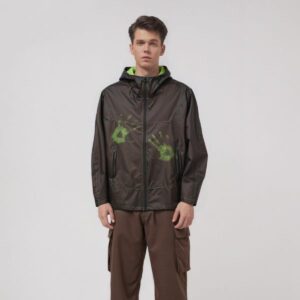
Definition of Functional Apparel
Functional apparel is specifically designed and engineered to deliver performance features that go beyond the traditional functions of clothing. These features are typically achieved through the integration of advanced materials, innovative fabric structures, and specialised finishing processes.
While conventional apparel prioritises aesthetics and basic comfort, functional apparel focuses on enhancing the wearer’s experience by addressing specific environmental, physiological, or occupational challenges. For instance, a moisture-wicking shirt actively transports sweat away from the skin, and a thermal jacket regulates body temperature in extreme weather conditions.
Functional apparel is defined by its purpose-driven design, where every element — from fibre selection to garment construction — is optimised to achieve a specific functional outcome. This approach necessitates a multidisciplinary understanding of textile science, human physiology, and environmental conditions.
Core Characteristics of Functional Apparel
Functional apparel is distinguished by a number of key characteristics that differentiate it from traditional garments. These characteristics are often interrelated, collectively contributing to the clothing’s overall performance.
- Moisture management
One of the most common features of functional apparel is its ability to manage moisture effectively. Fabrics are designed to draw sweat away from the skin to promote evaporation and keep you dry. This is particularly important in sportswear and outdoor clothing, where moisture build-up can lead to discomfort and impaired performance.
- Thermal regulation
Thermal regulation involves maintaining an optimal body temperature, regardless of external conditions. Functional apparel achieves this through insulating materials, breathable structures, or phase-change materials that adapt to temperature changes.
- Breathability and air permeability
Breathability ensures adequate airflow through the fabric, preventing overheating and improving comfort. Advanced textile structures and micro-ventilation technologies enhance this property.
- Protection and safety
Functional apparel often incorporates protective features such as flame resistance, UV protection, chemical resistance, and impact absorption. These features are critical in industries such as firefighting, construction, and healthcare.
- Durability and mechanical performance
High-performance garments are designed to withstand wear and tear in demanding conditions. Reinforced fibres, abrasion-resistant coatings, and advanced weaving techniques all contribute to durability.
Classification of Functional Apparel
Functional apparel can be categorized based on its primary function and application. The following table provides a comprehensive classification:
|
Category |
Beskrivelse |
Vigtige funktioner |
Anvendelser |
|
Sportswear |
Performance-enhancing clothing |
Moisture-wicking, stretch, breathability |
Running, gym, athletics |
|
Protective Apparel |
Safety-focused garments |
Flame-resistant, chemical-resistant |
Firefighting, industrial work |
|
Medical Apparel |
Healthcare-oriented clothing |
Antimicrobial, fluid-resistant |
Hospitals, clinics |
|
Outdoor Apparel |
Weather-resistant clothing |
Waterproof, thermal insulation |
Hiking, camping |
|
Smart Apparel |
Technology-integrated garments |
Sensors, connectivity |
Health monitoring, fitness tracking |
This classification demonstrates the versatility of functional apparel and its ability to address diverse needs across industries.
Materials Used in Functional Apparel
The performance of functional clothing is largely determined by the materials used to make it. Modern functional textiles combine natural and synthetic fibres to achieve the best possible results.
- Synthetic fibres
Polyester, nylon, and spandex are widely used due to their strength, elasticity, and ability to manage moisture. These fibres can be engineered to enhance specific properties, such as durability and stretch.
- Natural fibres
Wool and cotton are often used for their comfort and breathability. Merino wool, in particular, is valued for its thermal regulation and odour resistance.
- Advanced functional materials
Recent innovations include nanofibres, graphene-infused fabrics, and phase-change materials. These materials offer advanced functionalities such as temperature adaptation and antimicrobial properties.
Manufacturing Technologies
Functional apparel is designed to enhance performance through features such as moisture management, thermal regulation, protection, and durability. Its production integrates advanced textile technologies and materials science.
- Advanced fibre engineering
Synthetic fibres (e.g., polyester, nylon, and spandex) provide elasticity, durability, and moisture-wicking properties.
High-performance fibres (e.g., aramid and carbon fibre blends) offer flame resistance, strength, and protection.
- Sustainable fibres
Sustainable fibres (e.g., recycled polyester and bio-based yarns) are increasingly being adopted to meet environmental demands.
- Fabric Construction Technologies
Knitting (circular and warp): Enhances stretch, breathability, and comfort.
Weaving: Provides strength and durability for outerwear and protective garments.
3D knitting and seamless technology: Reduce waste and improve ergonomic fit.
- Functional finishing processes:
– Moisture-wicking treatments for sweat management
– Waterproof and breathable coatings (e.g., PU and PTFE membranes)
– Antimicrobial and anti-odour finishes
– UV protection and flame-retardant treatments
- Lamination and coating
Multi-layer fabric systems combine outer shells, membranes, and inner linings to provide water resistance, insulation, and windproofing.
- Smart textile integration
– Embedded sensors for health monitoring
– Conductive yarns for wearable electronics
– Integration with IoT systems for real-time data tracking
Advantages of Functional Apparel
|
Advantage |
Beskrivelse |
Impact |
|
Enhanced Comfort |
Moisture and temperature control |
Improved user experience |
|
Performance Optimization |
Supports physical activity |
Increased efficiency |
|
Safety |
Protective features |
Reduced risk |
|
Holdbarhed |
Resistance wear and tear |
Longer lifespan |
|
Versatility |
Multi-purpose |
Broader market reach |
Functional apparel provides tangible benefits that justify its growing popularity across consumer and industrial markets.
Challenges and Limitations
Despite rapid advancements, the manufacturing of functional apparel faces several key challenges.
- High production costs
The use of advanced materials and multi-step processing increases production costs, making it difficult to balance performance and affordability.
- Material compatibility
Combining different fibres, coatings, and laminates can lead to issues such as delamination, reduced breathability, or inconsistent performance.
- Durability vs. comfort trade-off
Highly durable or protective fabrics may compromise softness, flexibility, or wearability, particularly in consumer apparel.
- Sustainability concerns
– Use of synthetic materials contributes to microplastic pollution.
– Chemical finishing processes may have environmental impacts.
– Recycling multi-layer fabrics remains complex.
- Complex manufacturing processes
Functional apparel often requires multiple production stages, which increases lead time and operational complexity.
Future Trends (2026–2030)
The functional apparel industry is expected to undergo a significant transformation, driven by sustainability, digitalisation, and consumer demand.
- Sustainable innovation:
– Increased adoption of bio-based and recyclable materials
– Development of mono-material fabrics for easier recycling
– Waterless dyeing and eco-friendly finishing technologies
- Smart and wearable technology
– Growth in smart apparel with embedded sensors and connectivity
– Integration with health, fitness, and safety monitoring systems
– Expansion into medical and industrial applications
- AI and digital manufacturing
– AI-driven design and production optimisation
– Digital prototyping and 3D simulation to reduce development time
– Automated cutting, sewing, and quality control systems
- Customisation and on-demand production
– Personalised functional apparel tailored to individual needs
– Growth of on-demand manufacturing to reduce inventory waste
– Use of digital platforms for rapid product customisation
- Multi-functional and hybrid textiles
– Fabrics that combine thermal regulation, moisture control, and protection in a single layer
– Increased demand for all-season, multi-purpose garments
- Lightweight and high-performance materials
– Development of ultra-lightweight yet durable fabrics
– Enhanced breathability and comfort without compromising on protection
FAQ Section
Q1: What is functional apparel?
Functional apparel refers to clothing designed to provide specific performance benefits such as moisture management, thermal regulation, and protection.
Q2: What are examples of functional apparel?
Examples include sportswear, protective clothing, medical garments, and smart apparel with embedded sensors.
Q3: What materials are used in functional apparel?
Common materials include polyester, nylon, spandex, wool, and advanced materials like nanofibers.
Q4: Why is functional apparel important?
It enhances comfort, safety, and performance in various environments and activities.
Q5: What is the future of functional apparel?
The future includes smart textiles, sustainable materials, and AI-driven garment design.
Konklusion
The concept of functional apparel marks a transformative shift in the fashion industry, where performance, technology, and sustainability converge to create garments that meet the evolving needs of modern consumers. Understanding its definition, classification, and underlying technologies enables industry professionals to navigate this dynamic market more effectively and develop innovative solutions that deliver both functionality and value.
As technological advancements continue to reshape the landscape, functional apparel will play an increasingly important role in enhancing human performance, safety, and comfort in a variety of settings.
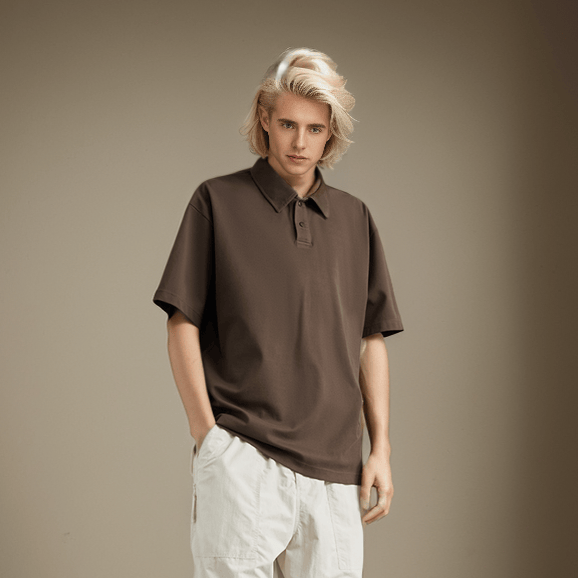
What Defines a High-Performance Functional Polo Shirt?
-
Moisture-Wicking & Breathable Fabric Technology
-
Ergonomic Fit & Freedom of Movement
-
Durability & Low-Maintenance Design
Top Uses for Functional Polo Shirts: Golf, Travel, and Uniforms
-
Golf: Performance & Polished Style on the Green
-
Travel: Lightweight, Versatile, and Stress-Free
-
Uniforms: Professional, Branded, and Comfortable
How to Choose the Best Functional Polo Shirt for Your Needs
-
Prioritize Key Performance Features
-
Find Your Ideal Fit
-
Check Quality and Sustainability
Konklusion
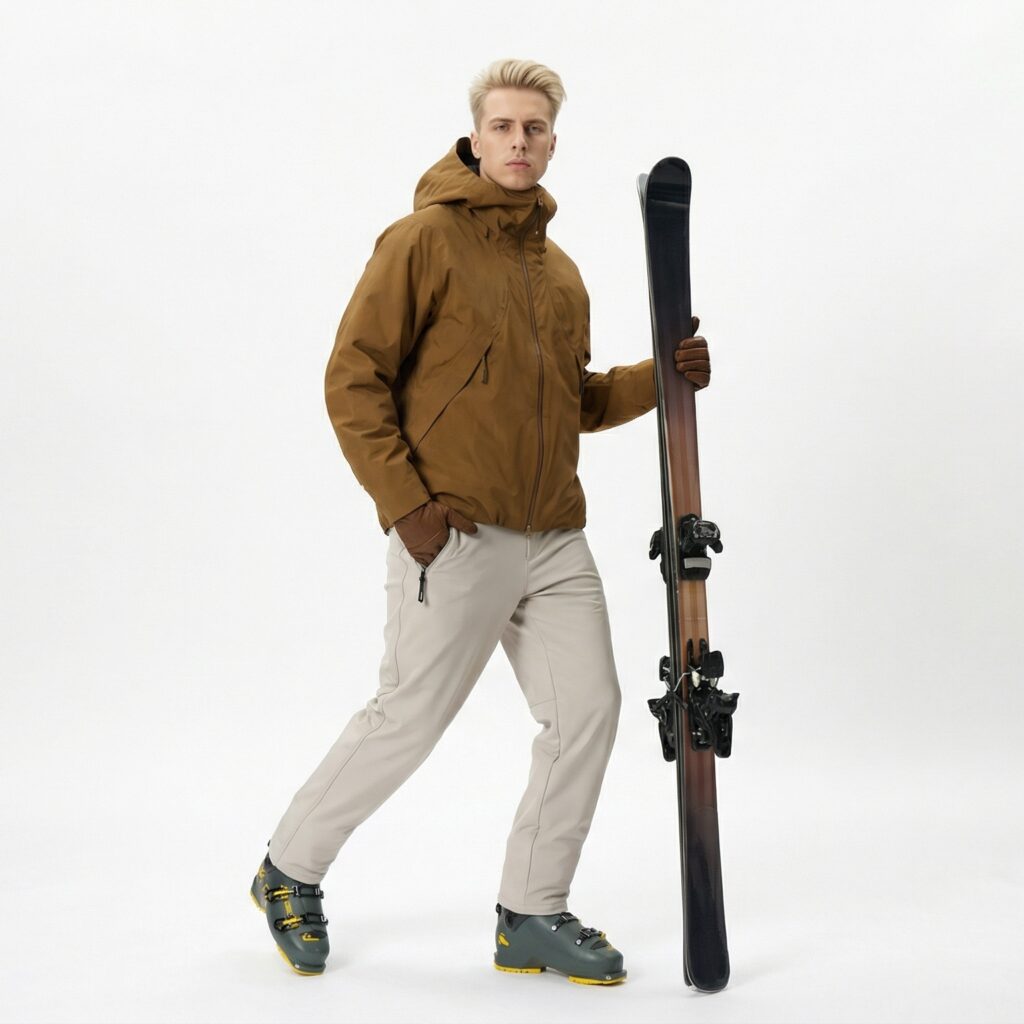
Grundlaget for en effektiv vindtæthed ligger i stoffets strukturelle arkitektur. Almindelig vævning konstruktioner skaber et tæt fletmønster, hvor kæde- og skudtråde krydser hinanden i rette vinkler, hvilket minimerer luftgennemtrængeligheden. Denne grundlæggende struktur opnår typisk en vindmodstand på mellem 5-15 CFM (Cubic Feet per Minute), hvilket er velegnet til moderate vindforhold. Twill-vævning mønstre, der er kendetegnet ved diagonale ribbemønstre, giver forbedret holdbarhed, samtidig med at vindmodstanden bevares, selvom de er lidt mere gennemtrængelige end almindelige vævninger ved 10-20 CFM.
Ripstop-vævning teknologi repræsenterer det bedste niveau for vindtætte frakkerDen har forstærkningstråde med regelmæssige intervaller (typisk 5-8 mm afstand), der skaber et gittermønster. Denne struktur forhindrer, at revner breder sig, samtidig med at vindmodstanden holdes under 8 CFM, når den kombineres med et højt antal tråde (180-250 tråde pr. tomme). Forstærkningstrådene, der ofte er i forskellige deniervægte (f.eks. 70D base med 210D forstærkning), skaber synlige ternede mønstre, der tjener både funktionelle og æstetiske formål.
Fibertætheden hænger direkte sammen med modstanden mod vindgennemtrængning. Stoffer med en trådtæthed på over 200 TPI skaber mikroskopiske porestørrelser (typisk 5-20 mikrometer), der effektivt blokerer for vind, samtidig med at de tillader begrænset transmission af fugtdamp. DWR (Durable Water Repellent) belægninger påført ved hjælp af fluorcarbon eller fluorfri teknologier tilføjer et hydrofobt overfladelag, der forhindrer vandabsorption, som ellers ville øge stoffets vægt og reducere isoleringseffektiviteten. Moderne C0 DWR-formuleringer opnår kontaktvinkler på over 90 grader, hvilket sikrer, at vand perler af overfladen, samtidig med at miljøstandarderne overholdes.
Materialesammensætning og afvejning af ydeevne
Vævede stoffer af polyester dominerer det kommercielle marked for vindtætte frakker på grund af overlegen dimensionsstabilitet og omkostningseffektivitet. Polyesterfibre med høj styrke (5-7 g/denier) modstår stræk under vindbelastning og bevarer tøjets form i alle temperaturområder (-20 °C til +40 °C). Materialets lave fugtabsorption (<0,4% efter vægt) forhindrer forringelse af ydeevnen under fugtige forhold, hvilket gør det ideelt til kystnære eller maritime anvendelser. Polyesters iboende hydrofobe natur begrænser dog åndbarheden til 3.000-5.000 g/m²/24h MVTR, medmindre det er konstrueret med mekaniske ventilationsfunktioner.
Nylonstoffer har 15-20% højere slidstyrke end tilsvarende polyester, hvilket er afgørende for industrielt arbejdstøj, hvor der ofte er kontakt med ru overflader. Nylon 6,6-varianter udviser overlegen elasticitet (20-30% brudforlængelse mod 15-20% for polyester), hvilket forbedrer brugerkomforten under dynamiske bevægelser. Til gengæld er der en højere fugtabsorption (4-4,5% efter vægt), hvilket kræver en forbedret DWR-behandling for at opretholde en vandtæthed på over 5.000 mm H₂O hydrostatisk hovedtryk.
Vævet stof i bomuldsblanding (typisk 60% bomuld/40% polyester) løser den begrænsning i åndbarhed, der ligger i rene syntetiske materialer, og opnår MVTR-værdier på 8.000-10.000 g/m²/24 timer. Naturlige bomuldsfibre skaber mikrokanaler, der letter damptransmissionen, mens polyesterkomponenten opretholder den strukturelle integritet og reducerer krympningen til <3% efter vask. Disse blandinger er velegnede til virksomhedsuniformer, hvor udvidet bærekomfort vejer tungere end maksimal vindmodstand, og de opnår typisk 15-25 CFM-værdier, der er velegnede til bymiljøer med periodisk vindeksponering.
Balancen mellem åndbarhed og vindmodstand udgør den grundlæggende tekniske udfordring. Stoffer, der er konstrueret til <5 CFM vindmodstand, går typisk på kompromis med åndbarheden, hvilket skaber fugtophobning under anstrengende aktiviteter. Avancerede løsninger omfatter mekanisk ventilation (kile under armene, ventilationsåbninger på ryggen) eller Laminerede membraner (ePTFE, PU), der giver selektiv permeabilitet - blokerer vindmolekyler (0,0003 mikrometer), mens de lader vanddampmolekyler (0,0004 mikrometer) slippe ud.
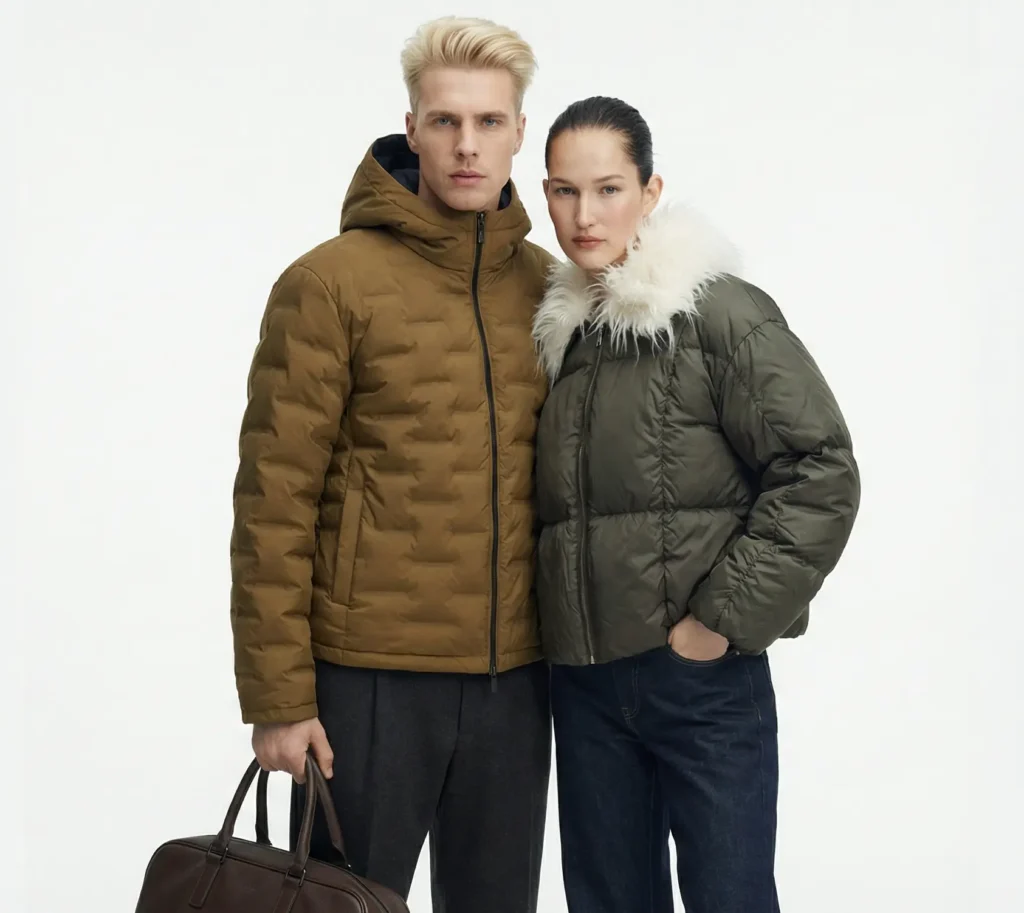
Tekniske specifikationer og præstationsstandarder
Vurderinger af vindmodstand og åndbarhed
CFM (kubikfod pr. minut) kvantificerer luftgennemtrængelighed gennem stof under standardiserede trykforskelle. ASTM D737-testprotokollen måler luftgennemstrømningen gennem en stofprøve på 38 cm² ved 125 Pa trykforskel. Vindtætte frakker af kommerciel kvalitet har typisk <10 CFM som mål for effektiv vindblokering, og premiumprodukter opnår <5 CFM gennem ultratætte vævninger eller membranlaminater. Hver reduktion på 5 CFM svarer til en forbedring på ca. 2-3 °C i den opfattede varmebevarelse ved vindhastigheder på 20 mph.
MVTR (fugtdamptransmissionshastighed) måler åndbarhed ved hjælp af metoden med den omvendte kop (ASTM E96) eller metoden med den svedbeskyttede varmeplade (ISO 11092). Værdier udtrykt i gram pr. kvadratmeter pr. 24 timer (g/m²/24h) angiver stoffets evne til at transmittere sveddamp. Minimumstærskler for aktiv udendørs brug starter ved 5.000 g/m²/24h, med højtydende beklædningsgenstande, der overstiger 10.000 g/m²/24h gennem konstruerede stofstrukturer eller membranteknologier.
Den RET (Resistance to Evaporative Heat Transfer) målt i henhold til ISO 11092, giver en omvendt åndbarhedsindikator, hvor lavere værdier indikerer bedre fugttransmission. Vindtætte frakker med RET <13 passer til højintensive aktiviteter, mens RET 13-20 passer til moderate aktivitetsniveauer. Denne måling er særlig værdifuld, når man sammenligner laminerede og ikke-laminerede vævede konstruktioner, da den tager højde for hele stofsystemet i stedet for basisstoffet alene.
Certificeringer af holdbarhed og overholdelse af regler
Test af rivestyrke i henhold til ASTM D1424 (Elmendorf-metoden) måler den kraft, der kræves for at udbrede en forudskåret rift, hvilket er afgørende for at vurdere holdbarheden i marken. Kommercielle vindtætte frakker bør have en rivestyrke på mindst 2.000-3.000 gram for kæde- og skudretning. Ripstop-konstruktioner opnår typisk en styrke på 4.000-6.000 gram, hvilket er 2-3 gange bedre end almindeligt vævede produkter med samme basisvægt.
Modstandsdygtighed over for slid evalueret gennem Martindale-test (ISO 12947) simulerer slid fra gentagen friktion. Vindtætte frakker i industrikvalitet kræver mindst 25.000 cyklusser uden synligt slid, mens førsteklasses udendørsjakker overstiger 50.000 cyklusser. Nylonstoffer med høj denier (500D-1000D) i zoner med meget slid (albuer, skuldre) forlænger tøjets levetid betydeligt i krævende anvendelser.
Oeko-Tex Standard 100 Certificeringen verificerer fraværet af skadelige stoffer på tværs af 300+ parametre, hvilket er afgørende for virksomheders uniformsprogrammer og reklametøj, hvor der forekommer hudkontakt. bluesign®. Systemcertificeringen omfatter hele tekstilproduktionskæden og sikrer miljømæssig ansvarlighed og kemisk sikkerhed - i stigende grad obligatorisk i forbindelse med europæiske og nordamerikanske indkøbskontrakter.
| Type stof | Vindmodstand (CFM) | Åndbarhed (g/m²/24h) | Rivstyrke (N) | Vandmodstand (mm H₂O) |
|---|---|---|---|---|
| Almindelig polyestervævning | 8-12 | 4,000-5,000 | 25-35 | 3,000-5,000 |
| Nylon Ripstop | 3-6 | 5,000-7,000 | 50-70 | 8,000-10,000 |
| Bomuld-Poly-blanding | 15-20 | 8,000-10,000 | 20-30 | 1,500-3,000 |
| Membran-laminat | 1-3 | 10,000-15,000 | 40-60 | 15,000-20,000 |
Anvendelsesscenarier og kommerciel værdi
Målrettede brugsscenarier for vindtætte vævede frakker
Anvendelser til udendørs rekreation kræver alsidig vindbeskyttelse under varierende forhold. Vandre- og trekking-scenarier kræver pakbare designs (komprimering til 10.000 mm H₂O) kombineret med modstandsdygtighed over for saltstænk, hvilket kan opnås med opløsningsfarvede stoffer, der modstår UV-nedbrydning og farvefading.
Industrielt arbejdstøj Kontekster kræver overholdelse af standarder for synlighed (ANSI/ISEA 107 for farver med høj synlighed), flammebestandighed, hvor det er relevant (NFPA 2112), og forstærket konstruktion i højbelastningszoner. Vindbeskyttelse er afgørende for udendørs bygge-, logistik- og vedligeholdelsespersonale, der udsættes for vindafkølingsfaktorer, som reducerer den effektive temperatur med 5-10 °C ved vindhastigheder på 15-20 mph. Leddelte designs med 15-20% mekanisk stræk sikrer uhindret bevægelse under arbejde over hovedhøjde, klatring på stiger og betjening af udstyr.
Programmer for virksomhedsuniformer udnytter vindtætte frakker til at synliggøre brandet og give medarbejderne komfort i kundevendte roller (eventpersonale, hotel- og restaurationsbranchen, detailhandel). Disse anvendelser prioriterer æstetisk konsistens gennem Pantone-matchede specialfarver, broderet eller varmeoverført branding med <5%-forvrængning efter 50 industrielle vaskecyklusser og inkluderende størrelsesmatricer (XS-5XL med almindelige/store/kort-varianter). Kravene til vindmodstand ligger typisk i området 10-15 CFM, hvilket giver en balance mellem beskyttelse og åndbarhed til moderate aktivitetsniveauer.
Salgsfremmende tøj Kampagner bruger vindtætte frakker som gaver eller incitamenter med høj opfattet værdi. Beregninger af omkostninger pr. indtryk favoriserer holdbart tøj med en funktionel levetid på 3-5 år, hvilket maksimerer varigheden af brandeksponeringen. Pakkefunktioner (integrerede sække, rulledesigns) forbedrer distributionslogistikken og modtagerens fastholdelsesgrad.
Overvejelser om masseindkøb for B2B-indkøbere
Mindste ordremængde (MOQ) for speciallavede vindtætte frakker varierer typisk fra 200-500 enheder for standard stof/farvekombinationer og stiger til 1.000-2.000 enheder for fuldt tilpassede specifikationer (proprietære stoffer, unikke farver). MOQ-strukturer giver ofte forskellige priser: 200-499 enheder til $X, 500-999 til 15-20%-rabat, 1.000+ til 25-30%-rabat. Forhandling af MOQ-fleksibilitet kræver forståelse af leverandørens produktionsøkonomi - opstartsomkostninger til specialfarvning, mønstersortering og kvalitetskontrolprocesser.
Tilpasningsmuligheder spænder over flere dimensioner: broderi (op til 100.000 sting, maks. 12 farver), serigrafi (ideelt til store logoplaceringer, typisk 6 farver), varmeoverførsel (fotografisk kvalitet, begrænset holdbarhed) og vævede etiketter (førsteklasses brandpræsentation). Hver metode påvirker omkostningerne pr. enhed med $2-8, afhængigt af kompleksitet og placering. Størrelsestilpasning ud over standard S-3XL-områder tilføjer $5-12 pr. enhed til mønstersortering og prøveudvikling.
Gennemløbstider til produktion af vindtætte frakker følger forudsigelige faser: prøveudtagning (15-20 dage), masseproduktion (45-60 dage), kvalitetskontrol (5-7 dage) og international forsendelse (20-35 dage til søs, 5-7 dage med fly). Den samlede indkøbscyklus er på 85-120 dage for første ordrer og reduceres til 60-75 dage for gentagne ordrer med godkendte prøver. Sæsonbestemte spidsbelastninger (august-oktober for efterårs-/vinterlager) forlænger leveringstiden med 15-25%, hvilket kræver planlægning af levering i 4. kvartal.
Analyse af omkostninger pr. enhed skal tage højde for de samlede landingsomkostninger: FOB-pris + forsendelse (10-15% af FOB) + told/tariffer (varierer efter oprindelsesland og HS-kodeklassifikation) + kvalitetskontrol (2-3% af ordreværdien) + oplagring/distribution. Mængderabatter reducerer typisk omkostningerne pr. enhed med 30-40% mellem ordrer på 200 enheder og 2.000 enheder, med faldende afkast efter 5.000 enheder. Break-even-analyse, der sammenligner offshore- og indenlandsk produktion, afslører crossover-punkter omkring 500-800 enheder for standardspecifikationer.
Designtræk og funktionelle elementer
Konstruktionsdetaljer, der forbedrer vindbeskyttelsen
Justerbare manchetsystemer Brug velcrolukninger, elastiske indsatser eller trykknapkonfigurationer til at skabe vindtætte forseglinger omkring håndleddene. Effektive designs giver mulighed for at justere diameteren med 3-5 cm, så der er plads til handsker, samtidig med at vinden ikke trænger ind gennem hullerne. Den indvendige manchetkonstruktion med tommelfingerstropper strækker sig 8-10 cm ud over jakkens kant, hvilket eliminerer hullet ved håndleddet, når armen strækkes ud.
Stormklapper Dækkende lynlåse foran tilføjer 5-8 cm brede stofbarrierer, der blokerer for vindindtrængning gennem lynlåstændernes huller. Dobbeltlagskonstruktion med snap- eller velcrolukning skaber overflødige vindbarrierer. Førsteklasses implementeringer omfatter fleece- eller soft-shell-bagside på stormklapper indvendigt, hvilket øger komforten mod hagen og halsen.
Design med høj krave Den går 8-12 cm ud over standardkravehøjden og giver beskyttelse af hals og underansigt i hård vind. Kraveafstivninger (letvægtspolymerindsatser) bevarer formen uden at begrænse hovedets rotation. Polstring af hagebeskytter (2-3 mm skumlaminat) forhindrer slid på lynlåsen, når den lukkes helt.
Lynlåsens kvalitet har direkte indflydelse på den langsigtede vindmodstand og holdbarhed. YKK #5 spolelynlåse er industristandarden for lette vindtætte frakker med en holdbarhed på over 5.000 cyklusser og jævn drift i alle temperaturområder. YKK Vislon® sprøjtestøbte plasttandlynlåse giver forbedret holdbarhed (8.000+ cyklusser) til industrielle anvendelser. Vandafvisende lynlåsbånd med polyuretanfilmlaminering giver ekstra fugtbeskyttelse uden at kræve store stormflapper.
Teknikker til forsegling af sømme 15-20% mod vind- og vandindtrængning gennem nålehuller i syninger. Tapede sømme med varmeaktiveret polyuretan- eller termoplasttape (18-22 mm bredde) skaber vandtætte barrierer, som er vigtige for udsatte skulder- og hættesømme. Svejsede sømme (ultralyd eller termisk limning) eliminerer nålehuller helt og opnår IPX4-vandmodstand i kritiske zoner.
Ergonomiske og æstetiske overvejelser
Leddelt ærme-konstruktion har en anatomisk udformning med en 15-20 graders fremadrettet vinkel ved albueleddene, hvilket reducerer, at stoffet krøller sammen, når armen bøjes. Dette designelement viser sig at være afgørende for aktiviteter, der kræver længere rækkevidde over hovedet eller styring/betjening af udstyr. Kilepaneler under armene (diamant- eller trekantede indsatser) giver 20-30% bedre bevægelsesmuligheder sammenlignet med mønstre med lige snit.
Moderne pasformsprofiler balancerer vindbeskyttelse med moderne æstetik. Atletiske pasformer med 10-12 cm brystvidde giver strømlinede silhuetter, der reducerer vindmodstanden og samtidig passer til basis- og mellemlagssystemer. Afslappede pasformer med 15-18 cm brystvidde passer til arbejdstøj, der kræver plads til værktøjsbælte og ubegrænset bevægelse. Justerbare snore forneden giver mulighed for at reducere omkredsen med 8-10 cm, hvilket gør det muligt at tilpasse pasformen uden at gå på kompromis med størrelsesfleksibiliteten.
Farvemuligheder strækker sig ud over funktionelle krav til brandidentitet. Farver med høj synlighed (fluorescerende gul, orange, lime) opfylder sikkerhedsstandarder og giver samtidig brandets synlighed 24/7. Virksomhedens farvetilpasning inden for ±2 Delta E-tolerance sikrer brandkonsistens på tværs af produktionskørsler og leverandørskift. Heathered eller melange stofudseende (opnået gennem garnfarvet konstruktion) giver sofistikeret æstetik til virksomhedens uniformsprogrammer og skjuler samtidig mindre tilsmudsning bedre end ensfarvede.
Funktioner for pakning tager hånd om logistik og slutbrugerens bekvemmelighed. Selvstablende design komprimeres til integrerede bryst- eller håndlommer, hvilket reducerer pakkevolumen til 1,5-2,5 l. Stofposer (typisk 15x20 cm nylonposer) letter organiseret opbevaring i køretøjer, rygsække eller distributionskartoner. Kompressionsgrader på 3:1-4:1 (båret volumen i forhold til pakket volumen) optimerer udnyttelsen af forsendelseskuben og reducerer fragtomkostningerne med 25-35% sammenlignet med tøj, der sendes på bøjle.
FAQ-modul
Hvilken CFM-værdi skal jeg kigge efter i en vindtæt frakke af kommerciel kvalitet?
Vindtætte frakker af kommerciel kvalitet bør sigte mod CFM-værdier under 10 for at opnå effektiv vindbeskyttelse i de fleste udendørs situationer. Til krævende anvendelser som f.eks. udsatte industriområder, maritime miljøer eller aktiviteter i store højder skal man vælge tekstiler med en CFM-værdi på <5. Den optimale klassificering afhænger af den påtænkte anvendelse: Erhvervsbeklædning i byerne tåler 10-15 CFM med tilstrækkelig komfort, mens udendørs rekreation og industrielt arbejdstøj har gavn af <8 CFM-specifikationer. Bed om ASTM D737-testrapporter fra leverandørerne for at verificere påstandene, og overvej, at CFM-klassificeringerne stiger 15-25% efter 20-30 vaskecyklusser, når DWR-behandlingerne nedbrydes, og stofstrukturen slapper af.
Hvordan er vindmodstanden i vævede stoffer sammenlignet med softshell-materialer?
Tætvævede stoffer opnår overlegen absolut vindmodstand (3-8 CFM) sammenlignet med softshell-materialer (12-20 CFM) på grund af minimal luftgennemtrængelighed i konstruktioner med højt trådantal. Softshells har dog 40-60% bedre åndbarhed (MVTR 12.000-18.000 g/m²/24h mod 5.000-8.000 for vævede stoffer) og bedre mekanisk strækbarhed (20-30% firevejsstræk). Valget afhænger af aktivitetsintensiteten: Vævede vindtætte frakker passer til statiske scenarier eller scenarier med lav anstrengelse, hvor maksimal vindblokering er altafgørende, mens softshells er bedre til aktiviteter med højt output, der kræver fugtstyring. Hybridkonstruktioner, der kombinerer vævede vindtætte paneler i højeksponerede zoner (bryst, skuldre) med softshell-paneler i områder med høj mobilitet (underarme, ryg), optimerer begge parametre.
Hvad er den typiske MOQ for speciallavede vindtætte frakker i bulkordrer?
Minimumsordremængder varierer efter tilpasningsniveau: 200-300 enheder for standardstoffer med grundlæggende broderi eller serigrafi, 500-800 enheder for tilpassede farvevalg fra standardstofbaser og 1.000-2.000 enheder for fuldt tilpassede specifikationer, herunder proprietær stofudvikling eller unikke konstruktionsfunktioner. Asiatiske producenter håndhæver typisk strengere MOQ'er (1.000+ enheder), men tilbyder 25-35% lavere omkostninger pr. enhed, mens indenlandske eller nearshore-leverandører accepterer minimum 200-500 enheder til en højere pris. Forhandl om MOQ-fleksibilitet ved at acceptere længere leveringstider (hvilket muliggør konsolidering af produktionsslots med andre ordrer) eller begrænsning af kompleksiteten i størrelses-/farvematrixen. Nogle leverandører tilbyder "pre-production inventory"-programmer, hvor indledende ordrer på 500-1.000 enheder fastlægger priser og specifikationer for efterfølgende genopfyldningsordrer på 200 enheder.
Vævet stofteknologi udgør hjørnestenen i en effektiv vindtæt frakke, hvor strukturelle variabler - trådantal, vævemønster, fibersammensætning og overfladebehandlinger - direkte bestemmer vindmodstand, holdbarhed og komfort. Den kritiske indsigt i indkøb ligger i at matche de tekniske specifikationer med den tilsigtede brug: Industrielt arbejdstøj kræver slidstyrke og synlighed, udendørs rekreation prioriterer balance mellem pakbarhed og åndbarhed, mens virksomhedsuniformer lægger vægt på æstetisk konsistens og udvidet bærekomfort. B2B-indkøbere skal evaluere leverandører gennem omfattende linser, der omfatter dokumentation for stoftest (ASTM D737, ISO 11092), certificeringsporteføljer (Oeko-Tex, bluesign®) og produktionskapacitet, der understøtter tilpasningskrav inden for acceptable MOQ- og leveringstidsparametre. Værditilbuddet ved at investere i vindtætte frakker af høj kvalitet viser sig gennem reduceret udskiftningsfrekvens (3-5 års funktionel levetid mod 1-2 år for økonomialternativer), øget slutbrugertilfredshed, der driver brandloyalitet, og samlede ejeromkostninger, når livscyklusomkostningerne erstatter den oprindelige købspris som den primære evalueringsmetode. Strategiske indkøb af vindtætte vævede frakker gør det muligt for indkøbere at levere pålidelige vejrbeskyttelsesløsninger, der opfylder kommercielle præstationsstandarder, samtidig med at de understøtter organisationens branding- og medarbejdervelfærdsmål.
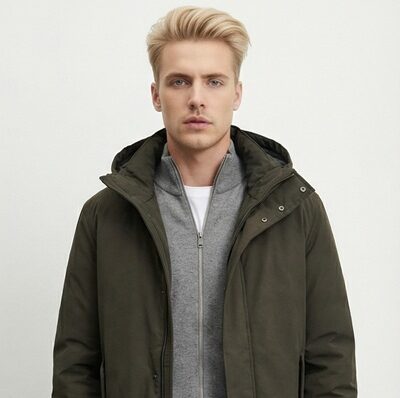
Bulk jacket production sits at the intersection of design, materials science, and industrial manufacturing. At first glance, a jacket might appear to be just another garment stitched together from fabric panels. In reality, producing high-quality jackets at scale requires coordinated systems—precise cutting, structured sewing processes, consistent materials, and strict quality control.
When bulk orders are involved, the margin for inconsistency becomes extremely small. A single production run may include hundreds or thousands of units, and every piece must meet the same specifications. Minor deviations in fabric thickness, seam strength, or pattern alignment can multiply across large batches, leading to quality issues and wasted materials.
This is why a reliable custom jacket manufacturer is defined not only by its ability to sew garments but also by its capability to maintain consistency across every stage of production. From sourcing technical fabrics to managing assembly lines and ensuring stable delivery schedules, professional manufacturers rely on structured systems that support both customization and scalability.
A deeper look at these systems reveals several key factors that separate dependable manufacturers from smaller, less organized operations.
The Growing Demand for Custom Jackets in Bulk Production
Custom jackets have become increasingly common across many industries and applications. Workwear programs, outdoor gear, corporate apparel, and promotional clothing often require jackets that combine durability with specific design elements. These garments must be functional while also reflecting a particular visual identity.
Bulk customization introduces additional complexity. Unlike standard retail garments produced in fixed designs, customized jackets often require adjustments to fabric selection, structural details, or decorative elements. Each modification must still fit within a repeatable manufacturing process.
In large production environments, even small technical variations can affect efficiency. For example, a change in fabric thickness may require adjustments to sewing machine tension or needle type. Similarly, adding waterproof seam tape alters both the assembly sequence and the equipment required.
Because of these challenges, manufacturers capable of handling bulk custom jacket production typically operate with organized production systems and experienced technical teams. Their processes are designed to accommodate customization while maintaining stable output.
Reliable manufacturers, therefore, combine flexible development capabilities with disciplined production control, ensuring that each jacket produced within a batch remains consistent in both performance and appearance.
Fabric Selection Capabilities for Different Jacket Applications
The foundation of any jacket begins with fabric. Material selection determines not only the appearance of the garment but also its functionality, durability, and comfort. In bulk manufacturing, fabric consistency is particularly important because variations in texture, thickness, or coating can affect the entire production process.
Different jacket types require different textile properties. Lightweight windbreakers rely on tightly woven synthetic materials that block air while remaining breathable. Outdoor jackets often incorporate waterproof membranes or laminated fabrics that protect against moisture. Workwear jackets may require abrasion-resistant materials capable of withstanding repeated mechanical stress.
A dependable custom jacket manufacturer must therefore maintain access to a diverse network of textile suppliers. This ensures that suitable fabrics can be sourced for various performance requirements without disrupting production schedules.
Key fabric capabilities a reliable manufacturer should provide include:
-
Access to multiple textile mills capable of supplying stable bulk quantities
-
Experience working with functional fabrics such as waterproof, windproof, or insulated materials
-
Consistent fabric quality across large production runs
-
Material testing to verify durability, weight, and color stability
Fabric engineering plays an important role in this stage. Manufacturers must evaluate how materials behave during cutting and sewing, particularly when coatings or laminations are involved. Technical fabrics may require specialized needles, thread types, or seam constructions to maintain performance properties.
Maintaining reliable fabric sourcing also reduces the risk of production delays. Bulk orders require predictable material availability, and experienced manufacturers typically maintain established relationships with textile suppliers to ensure a steady supply.
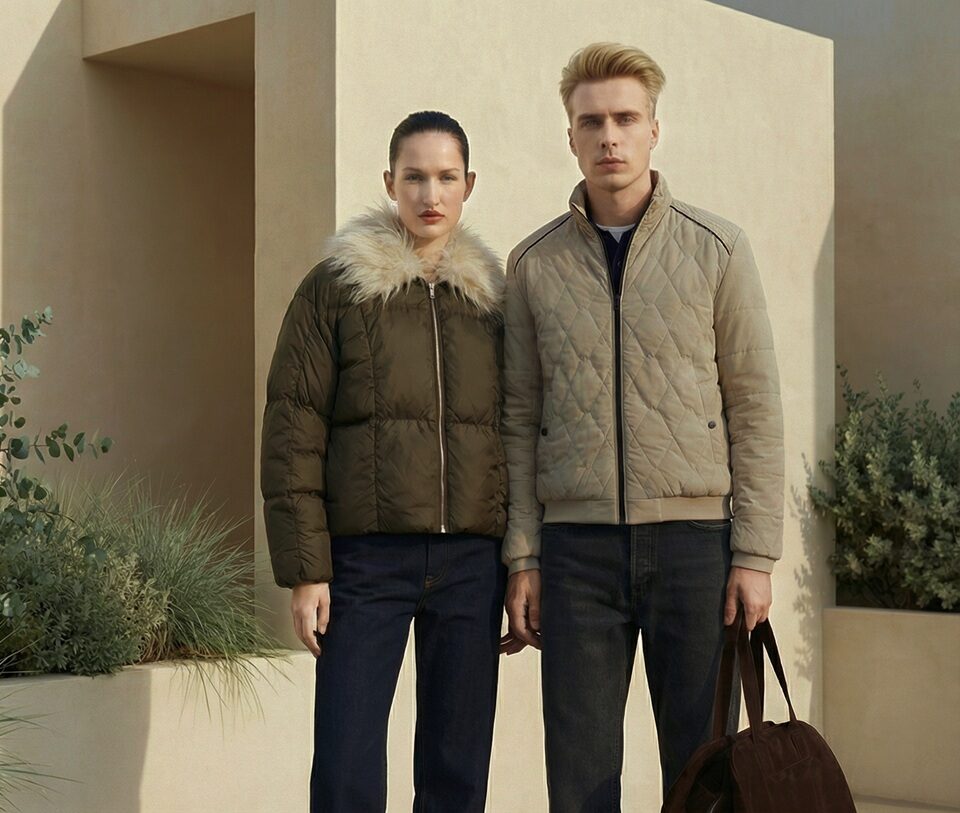
Pattern Development and Technical Design Expertise
Jackets differ significantly from simpler garments such as T-shirts or basic knitwear. Their structure involves multiple panels, sleeves designed for mobility, and various internal components such as linings, insulation layers, or reinforcement patches.
Because of this complexity, accurate pattern development is essential. Patterns determine how each piece of fabric is cut and assembled, and even small inaccuracies can affect fit, comfort, and durability.
Professional manufacturers often rely on digital pattern systems that allow precise control over garment dimensions and grading. Computer-aided design tools make it possible to test structural adjustments before production begins, reducing errors and improving efficiency during bulk manufacturing.
Pattern engineering also influences how the garment performs during movement. Jackets designed for active environments must allow freedom of motion in the shoulders and arms while maintaining structural stability. This requires careful shaping of panels and accurate alignment of seams.
Experienced technical teams evaluate factors such as seam placement, fabric stretch characteristics, and ergonomic requirements. By refining patterns before large-scale production begins, manufacturers can ensure that each jacket performs consistently throughout the entire order.
Manufacturing Equipment and Production Technology
Once materials and patterns are finalized, the focus shifts to production. Modern jacket manufacturing relies heavily on specialized equipment that improves precision and efficiency across large batches.
Industrial garment factories often organize their workflow into multiple stages: cutting, sewing, finishing, and inspection. Each stage uses machinery designed to perform specific tasks with high accuracy.
Essential production technologies used in modern jacket manufacturing include:
-
Computerized cutting systems that maximize fabric utilization and ensure accurate panel shapes
-
Multi-needle sewing machines for reinforced seams and structural stitching
-
Seam sealing equipment for waterproof jackets that require taped seams
-
Automated embroidery or printing machines for decorative elements
Advanced cutting machines are particularly valuable in bulk production. These systems use digital pattern data to cut multiple layers of fabric simultaneously, ensuring identical pieces while minimizing material waste.
Similarly, specialized sewing machines improve seam durability. Jackets often experience significant stress at points such as shoulders, armholes, and pocket openings. Reinforced stitching methods help maintain structural strength during long-term use.
Manufacturers equipped with modern machinery can maintain higher production speeds without sacrificing accuracy. This balance between efficiency and quality is essential for fulfilling large custom orders on schedule.
Quality Control Systems in Bulk Jacket Production
In bulk manufacturing, quality control is the mechanism that protects consistency. Without structured inspection processes, even small defects can multiply across thousands of garments.
Professional jacket manufacturers typically implement multi-stage quality control systems. These systems monitor the product from the moment raw materials arrive at the facility until the final garments are packaged for shipment.
Material inspection is the first stage of this process. Fabrics are checked for color uniformity, weight consistency, and potential defects such as weaving irregularities or coating flaws. Early detection prevents faulty materials from entering production.
During assembly, quality inspectors evaluate stitching accuracy, seam strength, and alignment of garment panels. Because jackets involve numerous structural components, these inspections ensure that each stage of construction meets technical specifications.
Final inspections occur after the garment is fully assembled. At this stage, inspectors verify overall appearance, functional details such as zippers and pockets, and measurement accuracy according to the approved pattern.
A well-structured quality system reduces defect rates and ensures that every piece within a bulk order maintains the same standard of workmanship.
Production Capacity and Lead Time Management
Large custom orders require efficient production scheduling. Even when materials and designs are finalized, the ability to organize manufacturing operations determines whether delivery deadlines can be met.
Production capacity is influenced by several factors, including the number of sewing lines, the skill level of workers, and the efficiency of material preparation processes. Factories capable of managing large orders typically divide production into specialized teams responsible for different garment components.
Factors that influence bulk production efficiency include:
-
Number of active sewing lines operating within the facility
-
Skilled operators trained in jacket construction techniques
-
Efficient cutting and preparation departments that supply components to sewing lines
-
Coordinated packaging and logistics operations
Lead time management also depends on accurate planning. Manufacturers must coordinate fabric deliveries, cutting schedules, and assembly processes so that each stage progresses smoothly.
When production systems are well organized, factories can maintain predictable delivery schedules even for complex orders. This reliability is particularly important when jackets are needed for seasonal distribution or large organizational programs.
Small Workshop vs Professional Jacket Manufacturer
Bulk production requirements highlight the differences between small workshops and fully equipped manufacturing facilities. While smaller operations may handle limited quantities effectively, they often struggle to maintain consistent output at scale.
| Production Factor | Small Workshop | Professional Manufacturer |
|---|---|---|
| Production Capacity | Limited output | Large-scale production capability |
| Quality Consistency | Highly variable | Standardized quality control |
| Lead Time | Difficult to predict | Structured production scheduling |
| Equipment | Basic sewing machines | Advanced automated machinery |
| Inspection Process | Minimal or informal | Multi-stage inspection systems |
Professional manufacturers invest in both equipment and management systems. These investments enable them to handle large volumes while maintaining quality standards across every unit produced.
Customization Options in Bulk Jacket Production
Customization is a major advantage of working with experienced manufacturers. Even when producing large quantities, factories with flexible systems can incorporate design variations without compromising efficiency.
Customization often extends beyond basic color choices. Jackets may include unique branding elements, specialized hardware, or structural modifications that enhance functionality.
Common customization options include:
-
Embroidered logos applied directly to outer fabric panels
-
Screen printing for graphics or branding elements
-
Custom zippers, buttons, or hardware components
-
Specialized lining materials or insulation layers
Incorporating these features requires coordination between design teams and production technicians. Manufacturers must ensure that additional decorative processes integrate smoothly into the standard assembly workflow.
When handled properly, customization does not reduce production efficiency. Instead, it becomes part of the established manufacturing sequence.
Key Indicators of a Reliable Custom Jacket Manufacturer
Evaluating a manufacturer’s reliability often involves examining several operational factors. These indicators reveal how well a factory can maintain stable production and deliver consistent results.
| Capability | Hvorfor det er vigtigt |
|---|---|
| Stable fabric sourcing | Ensures materials remain consistent across large orders |
| Advanced production equipment | Improves accuracy and efficiency during assembly |
| Skilled technical teams | Supports complex garment structures and customization |
| Structured quality control | Reduces defects and maintains uniform standards |
Factories that invest in these areas are typically better equipped to handle complex orders involving multiple design elements and large production quantities.
Producing jackets in bulk is far more complex than assembling simple garments. Each stage—from fabric sourcing to pattern development and final inspection—plays a crucial role in determining the final product’s quality and reliability.
A dependable custom jacket manufacturer combines technical knowledge with organized production systems. Reliable fabric supply, precise pattern engineering, modern equipment, and structured quality control all contribute to consistent manufacturing results.
When these elements work together, large orders can be produced efficiently while maintaining uniform standards across every garment. In the world of industrial apparel manufacturing, that balance between customization and consistency defines what truly makes a manufacturer reliable.
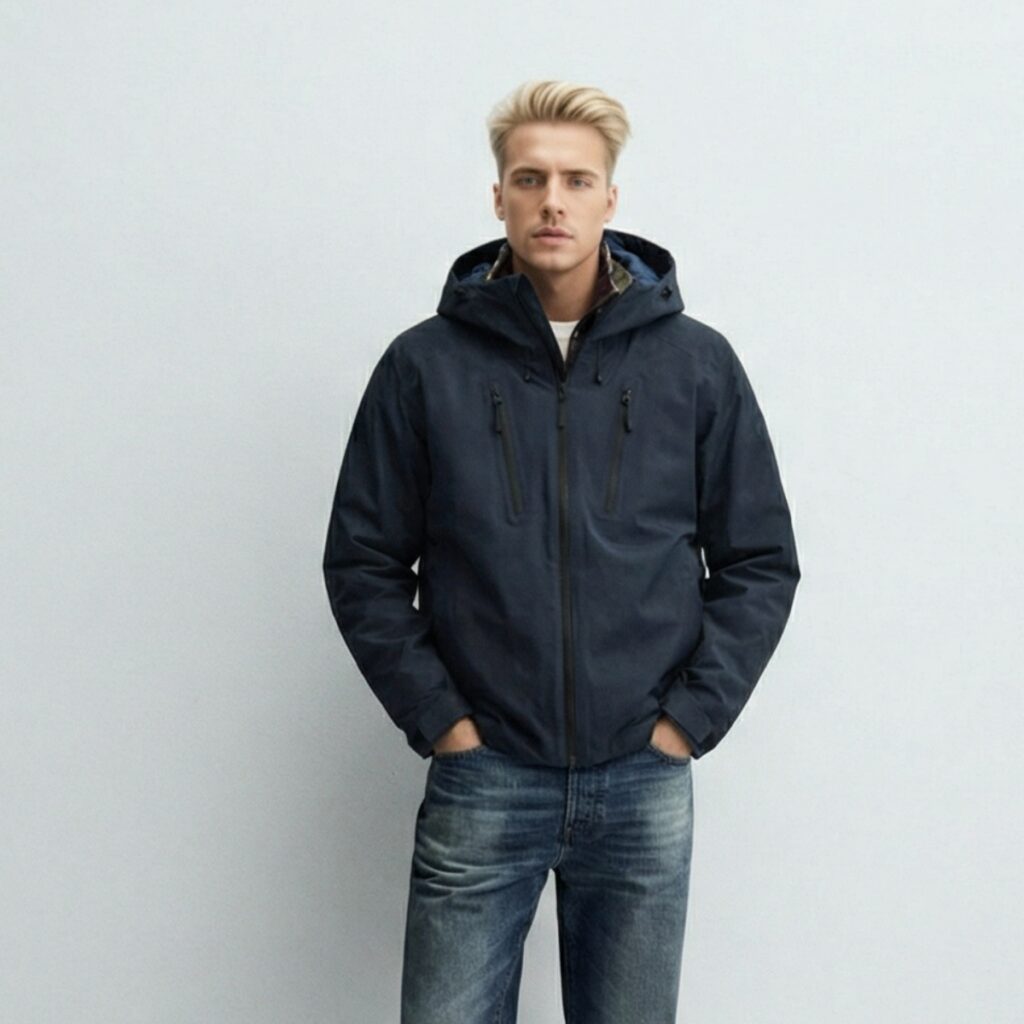
Udendørstøj er ikke kun et spørgsmål om stil; det er en omhyggeligt konstrueret løsning, der er designet til at beskytte brugeren mod regn, sne, vind og andre miljømæssige udfordringer. A Vandtæt jakke skal ikke kun holde vand ude, men også lade fugt fra sved slippe ud og sikre komfort, mobilitet og holdbarhed. For outdoor-mærker er valg af materialer, designovervejelser og produktionsprocesser lige så afgørende som æstetisk appel. Hvert trin i produktionen - fra stofvalg til sømforsegling, funktionelt design, kvalitetskontrol og overholdelse af miljøkrav - påvirker jakkens ydeevne og mærkets omdømme.
A Firma for vandtætte jakker arbejder i krydsfeltet mellem materialevidenskab, teknik og design. De omdanner råmaterialer til beklædningsgenstande, der opfylder den virkelige verdens krav. I modsætning til fritidstøj skal disse jakker ikke kun modstå kontrollerede laboratorietest, men også skiftende vejr, mekanisk belastning fra rygsække eller klatreudstyr og gentagen vask. En jakkes succes afhænger ofte af subtile valg, der træffes under produktionsplanlægningen.
Hovedformålet med en vandtæt jakke
En højtydende vandtæt jakke er til for at beskytte brugeren og samtidig bevare komforten. Beskyttelse omfatter mere end at holde regnen ude; det kræver, at den indre tørhed opretholdes, at sveden håndteres, og at bevægelsesfriheden sikres. Udendørsaktiviteter kræver konstant bevægelse, udsættelse for varierende temperaturer og interaktion med udstyr. En jakke, der svigter under disse forhold, kompromitterer både brugeroplevelsen og brandets troværdighed.
Producenterne skal forstå jakkens tiltænkte miljø. Jakker til let byregn adskiller sig fundamentalt fra alpine eller bjergbestigningsjakker i materialevalg, lagdeling og konstruktion. En jakke i topklasse Firma for vandtætte jakker designer processer, der forudser vejrvariationer, fysisk stress og slidmønstre, hvilket sikrer ydeevne under forskellige forhold.
Valg af materiale: Grundlaget for ydeevne
Det første skridt i fremstillingen af en pålidelig vandtæt jakke er at vælge det rigtige stof. Dette valg påvirker vandtæthed, åndbarhed, isolering, holdbarhed og komfort. Et stof, der fungerer godt i sig selv, kan svigte, hvis membranen, sømmene eller efterbehandlingsprocesserne ikke er afstemt med dets egenskaber.
Vandtætheden måles ved hjælp af det hydrostatiske tryk, som angiver det vandtryk, et stof kan modstå, før der opstår lækage. Almindelige benchmarks omfatter:
-
5.000 mm: Velegnet til let regn eller almindelig bybrug
-
10.000 mm: Tilstrækkelig til moderate udendørsforhold
-
20.000 mm eller mere: Højtydende anvendelser, f.eks. bjergbestigning eller eksponering for kraftig regn
Åndbarhed måles gennem fugttransmissionshastigheden (MVTR), der afspejler, hvor effektivt sveddamp passerer gennem stoffet. En jakke kan være vandtæt, men ubehagelig, hvis sveden ikke kan slippe ud, hvilket fører til indvendig kondens og nedsat varmeeffektivitet. Højtydende jakker afbalancerer vandtæthed med åndbarhed gennem omhyggeligt valg af membran, lagkonstruktion og efterbehandling.
Konstruktion af lag er en anden kritisk faktor. Stoffer kan være designet som:
-
2-lags: Yderstof plus membran; omkostningseffektivt og tilstrækkeligt til moderate forhold.
-
2,5 lag: Yderstof, membran og trykt inderlag; lettere og mere åndbart, ideelt til aktiv sport.
-
3-lags: Yderstof, membran og limet foring; højeste holdbarhed og vandtæt beskyttelse, velegnet til ekstreme forhold.
Membranteknologien bestemmer vandtætheden. PTFE-membraner giver høj åndbarhed og langvarig beskyttelse, mens PU-belægninger giver fleksibilitet og omkostningseffektivitet. Hybridbelægninger kombinerer fordelene ved begge tilgange. Producenterne skal sikre kompatibilitet mellem membraner, tekstiler og efterbehandlinger, så vandtætheden opretholdes, samtidig med at komforten optimeres.
Stoffets vægt har også indflydelse på jakkens ydeevne. Letvægtsstoffer er ideelle til sommer- eller bypendling, mens mellem- og sværvægtsstoffer holder på varmen og er slidstærke til udendørs aktiviteter i køligere klimaer. Ved at vælge den rigtige GSM (gram pr. kvadratmeter) sikrer man, at jakken opfylder den tilsigtede funktion uden at fylde unødigt.
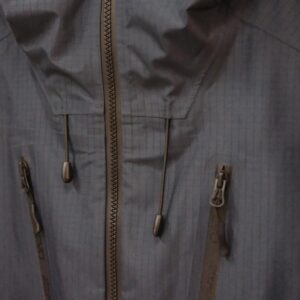
Falsforsegling og konstruktion
En jakke er kun så stærk som dens sømme. Selv det bedste stof kan svigte uden den rette konstruktionsteknik. Forsegling af sømme forhindrer vand i at trænge ind gennem nålehuller, et almindeligt svagt punkt i vandtæt tøj.
Sømtapenes kvalitet, klæberens fleksibilitet, bredde og placering påvirker alle vandtætningens levetid. Tape af høj kvalitet modstår afskalning under gentagen vask. Varmeforsegling, stingtæthed og kontrol af nålehuller er afgørende for at bevare både vandtæthed og tøjets fleksibilitet.
Derudover skal lynlåse, stormklapper og hættedesign supplere det vandtætte system. Laminerede vandtætte lynlåse, justerbare manchetter og snoretræk forhindrer vand i at trænge ind og sikrer samtidig anvendelighed. Hver eneste detalje i konstruktionen bidrager til jakkens samlede pålidelighed.
Nøgleelementer i søm- og lukningskonstruktion omfatter:
-
Præcis syning, der dækker alle nålehuller
-
Varmeforseglede sømme for holdbarhed
-
Vandtæt lynlås og integreret stormflap
-
Ergonomisk design for at bevare fleksibilitet og komfort
Overvejelser om funktionelt design
Design er mere end æstetik - det påvirker ydeevnen direkte. Jakker skal passe til brugerens bevægelser, udstyr og miljøforhold. A Firma for vandtætte jakker skal overveje:
-
Hættekonstruktioner, der passer over hjelme eller huer
-
Justerbare manchetter, sømme og ventilationssystemer
-
Strategisk lommeplacering, der ikke går på kompromis med vandtætheden
-
Ergonomisk skæring for mobilitet
-
Balance mellem isolering og åndbarhed til forskellige aktiviteter
Funktionelt design kræver iterativ prototyping og testning for at sikre, at jakken opfylder forventningerne til både ydeevne og komfort.
Vandtætte vs. vandafvisende standarder
Udtrykket "vandtæt" bruges nogle gange løst. En pålidelig Producent af vandtæt jakke verificerer ydeevnen gennem både laboratorie- og felttest. Laboratorietest måler hydrostatisk tryk, sprøjtemodstand og accelereret slid for at simulere langtidseksponering. Felttest under virkelige forhold, herunder bjergstier, regnvejr og varierende temperaturer, bekræfter den faktiske ydeevne. Denne kombination sikrer, at jakkerne fungerer som annonceret.
Bæredygtighed og miljømæssig ansvarlighed
Miljømæssig ansvarlighed er blevet afgørende for udendørsbeklædning. Førende producenter integrerer miljøbevidst praksis, samtidig med at de opretholder ydeevnen.
Bæredygtighedsforanstaltninger omfatter:
-
PFC-fri DWR-behandling (durable water repellent) for at reducere den kemiske påvirkning
-
Genbrugspolyester og andre miljøvenlige stoffer
-
Farvning uden vand eller med lavt vandforbrug
-
Overholdelse af ISO, OEKO-TEX og andre miljøcertificeringer
Forbrugerne forventer i stigende grad, at outdoor-brands og deres leverandører prioriterer bæredygtighed. A Firma for vandtætte jakker der integrerer disse praksisser, forbedrer både miljø- og brandværdien.
Kvalitetskontrol og ensartethed
Ensartet ydeevne kræver streng kvalitetskontrol. Hvert parti skal inspiceres for stoffets ensartethed, sømmenes integritet, lynlåsens funktion og vandtæthed. Vedhæftning af sømbånd, sømstyrke og holdbarhed ved vask testes rutinemæssigt. Sporing af partier og vedligeholdelse af gennemsigtige optegnelser sikrer reproducerbarhed og reducerer antallet af returneringer eller klager.
Skalerbarhed og tilpasning i produktionen
Outdoor-mærker har ofte brug for en skalerbar produktion, samtidig med at den høje kvalitet bevares. En professionel producent tilbyder OEM- og private label-tjenester, der giver mulighed for at tilpasse farver, stoffer, logoer og andre funktioner. De skal finde en balance mellem masseproduktion og prototyper i små serier til nye designs, så mærkerne kan reagere hurtigt på markedstendenser.
Eksporterfaring og global compliance
Producenter, der er rettet mod internationale markeder, skal navigere i lovmæssige standarder, mærkningskrav og toldprocedurer. Erfaring med eksportoverholdelse sikrer, at jakker opfylder både tekniske og juridiske standarder i forskellige regioner, beskytter brandets omdømme og gør det lettere at komme ind på markedet.
Innovation inden for fremstilling af jakker
Innovation giver konkurrencefordele. Førende virksomheder inden for vandtætte jakker investerer i letvægtsmembraner, forbedret åndbarhed, hybridstoffer og intelligente tekstiler. Udviklingen omfatter fugtregulerende foringer, anti-lugtbehandlinger og temperaturtilpassede materialer. Kontinuerlig innovation sikrer, at produkterne forbliver relevante og lever op til forbrugernes skiftende forventninger.
At fremstille en højtydende vandtæt jakke er en kompleks integration af materialer, teknik, design og kvalitetskontrol. En professionel Firma for vandtætte jakker overvejer hvert trin - fra stofvalg og sømkonstruktion til bæredygtighed og testning - for at sikre, at jakken leverer pålidelig ydeevne. Mærker, der samarbejder med erfarne, teknisk dygtige producenter, får jakker, der opfylder både forbrugernes krav og markedets standarder, hvilket skaber langsigtet værdi og tillid.
The global woven clothing market looks simple on the surface. Jackets are everywhere. Coats are everywhere. Winter outerwear fills retail racks every season. But behind every structured jacket or tailored coat sits a production system that either understands woven construction deeply—or merely imitates it.
For brands, wholesalers, and distributors, choosing a custom jacket manufacturer is not just about comparing price sheets. It is about evaluating engineering capability, technical fabric control, and supply chain resilience. Woven garments are structurally different from knitted products. They hold shape. They resist stretch. They demand precision. And once you move into winter jacket manufacturing, complexity increases again: multi-layer builds, waterproof membranes, thermal padding, seam reinforcement, structural lining.
The difference between a reliable winter jacket manufacturer and an ordinary jacket factory becomes obvious only after production begins. By then, mistakes are expensive.
Woven Clothing Manufacturing Expertise
Woven clothing is built from interlaced warp and weft yarns. Unlike knit fabrics, woven materials do not stretch naturally. That stability is an advantage for structured garments such as jackets and coats, but it also increases the need for cutting precision and pattern accuracy.
A factory that claims to be a coat supplier must understand tension control during sewing. If seam tension is slightly misaligned, woven fabrics will pucker. If cutting is imprecise, alignment across panels becomes visibly inconsistent. Unlike soft knit garments, errors cannot be hidden.
Jacket construction adds additional layers of complexity. Even a simple men’s coat factory typically works with:
-
Outer shell fabric
-
Interlining for structure
-
Inner lining for comfort
-
Reinforced shoulder or collar sections
Winter jacket manufacturing goes further. Insulated padding, down filling, synthetic thermal layers, and waterproof membranes require layered engineering. Every layer must align in dimension. Every seam must withstand movement and temperature shifts.
This is why not every garment factory qualifies as a true winter jacket manufacturer. Outerwear production is a technical discipline.
Production Infrastructure: What Separates a Professional Jacket Factory
When evaluating a jacket factory, the first question is not “What is your MOQ?” The real question is “What is your internal capability?”
A professional custom jacket manufacturer typically invests in specialized equipment:
Automatic cutting machines improve accuracy and reduce fabric waste. Computer-controlled sewing systems maintain consistent stitch density. Seam sealing machines are essential for any waterproof jacket company. Down-filling machines ensure even insulation distribution. Without these systems, production relies too heavily on manual variability.
Sampling capability is equally critical. A factory that outsources pattern development cannot respond quickly to revisions. A professional jacket supplier should have in-house pattern makers and sample technicians who understand woven garment architecture. Advanced factories increasingly use 3D pattern simulation to visualize structure before physical sampling begins. That reduces trial cycles and improves fit precision.
When evaluating a jacket factory, confirm:
-
In-house pattern development team
-
Advanced cutting and seam sealing equipment
-
Multi-layer garment construction capability
-
Scalable monthly production capacity
Production capacity matters not only for large orders, but also for seasonal timing. Winter coat supplier relationships often depend on tight delivery windows. Missing a seasonal window can collapse a product launch.
Fabric Selection and Performance Engineering
Fabric defines performance. A custom jacket manufacturer that lacks fabric sourcing expertise will limit your product differentiation.
Woven outerwear fabrics vary widely in behavior. Polyester woven fabrics offer durability and moderate water resistance. Nylon woven materials provide lightweight strength and are common in technical outerwear. Cotton twill is popular for structured casual coats. Blended fabrics improve wrinkle resistance and shape retention.
When functionality is required, additional technologies enter the equation. A waterproof jacket company integrates PU coating, TPU lamination, or multi-layer membrane systems. Seam sealing becomes mandatory. Breathability ratings and hydrostatic pressure resistance must be validated.
Below is a structured overview of common woven fabric applications in jacket production.
Table 1: Common Woven Fabric Applications in Jacket and Coat Manufacturing
| Type stof | Typical Use | Performance Advantage | Suitable Product Category |
|---|---|---|---|
| Polyester Woven | Winter Jackets | Durable, water-resistant | Winter jacket manufacturer |
| Nylon Woven | Waterproof Jackets | Lightweight, high-strength | Waterproof jacket company |
| Cotton Twill | Casual Coats | Breathable, structured look | Women’s coat factory |
| Blandede stoffer | Tailored Coats | Shape retention, durability | Men’s coat factory |
The key question for buyers is not just what fabrics are available, but whether the manufacturer controls sourcing. A strong coat supplier maintains stable relationships with textile mills. That reduces risk during high-demand seasons when raw material shortages occur.
Fabric knowledge also affects cost control. An experienced winter jacket manufacturer understands how to balance performance specifications with price targets without sacrificing structural integrity.
Quality Control Systems in a Winter Jacket Manufacturer
Quality control is where many suppliers quietly fail. Some factories inspect only finished garments. That is reactive, not preventive.
A structured quality system begins before cutting starts. Incoming fabric inspection checks color consistency, weight accuracy, coating uniformity, and defect rates. Inline inspection during sewing monitors seam strength and stitch density. Final inspection evaluates dimensional tolerance and finishing quality.
In winter outerwear, additional testing is required. Seam strength testing ensures durability under stress. Waterproof performance validation confirms hydrostatic resistance. Wash tests measure shrinkage behavior.
A reliable winter jacket manufacturer should implement:
-
Fabric inspection before cutting
-
Seam strength testing during production
-
Waterproof performance validation when applicable
-
Randomized final garment inspection
Factories that operate under export standards often follow AQL (Acceptable Quality Level) systems to quantify inspection tolerance. If a coat supplier cannot clearly explain its quality control framework, risk increases significantly.
Customization Capability: Beyond Basic OEM
Many factories advertise OEM services. True customization is deeper than adding a logo.
A capable custom jacket manufacturer provides structural flexibility. That includes adjustable hood designs, detachable liners, tailored insulation weight levels, custom lining fabrics, and reinforcement adjustments. Branding integration may include embroidery, heat transfer printing, woven labels, or custom hardware.
Low MOQ flexibility matters for emerging brands. A responsive jacket supplier supports sampling cycles and small-batch testing before scaling production.
Before choosing a custom jacket manufacturer, verify:
-
Low MOQ flexibility for pilot runs
-
Defined sampling turnaround time
-
Private label integration capability
-
Independent fabric sourcing network
Customization also involves communication clarity. Technical packs must translate accurately into production patterns. Misinterpretation leads to dimensional errors.
The stronger the internal technical team, the fewer production surprises occur.
Supply Chain Stability and Production Scalability
Seasonal outerwear production requires precise scheduling. A winter jacket manufacturer must align raw materials, labor allocation, and logistics timelines.
Production scalability refers to the ability to increase output without sacrificing quality. A factory operating near maximum capacity year-round may struggle to accommodate urgent orders.
Supply chain stability includes fabric procurement reliability, accessory availability (zippers, buttons, toggles), and packaging material sourcing. A waterproof jacket company often depends on specialized membrane suppliers. If those relationships are unstable, lead times become unpredictable.
Scalability also intersects with workforce training. Skilled sewing operators familiar with woven outerwear construction cannot be replaced instantly. Factories that invest in worker retention often demonstrate more consistent output.
Manufacturer Evaluation Framework
To compare suppliers systematically, decision-makers benefit from structured evaluation criteria.
Table 2: Jacket and Coat Manufacturer Evaluation Framework
| Evaluation Area | Key Indicator | Hvorfor det er vigtigt |
|---|---|---|
| Production Capacity | Monthly output volume | Supports bulk seasonal orders |
| Technical Expertise | Seam sealing & multi-layer build | Ensures waterproof & insulated performance |
| Customization Ability | Pattern flexibility | Enables brand differentiation |
| Lead Time Management | Sample + bulk production cycle | Reduces market timing risk |
| Quality System | Defined inspection protocol | Minimizes defect rate |
Using this framework, buyers can compare a jacket factory objectively rather than relying on surface impressions.
Sustainability and Compliance in Woven Outerwear Production
Sustainability increasingly influences sourcing decisions. Many brands now require OEKO-TEX certified fabrics, recycled polyester content, or compliance with restricted substance lists.
A responsible winter coat supplier documents chemical compliance and environmental standards. Social responsibility audits also impact partnership viability, especially for brands entering European or North American markets.
Sustainable sourcing is not only ethical; it also reduces long-term regulatory risk.
Long-Term Partnership vs Short-Term Cost Advantage
Price comparisons often dominate initial discussions. Yet short-term savings can lead to long-term instability.
Factories that aggressively underquote may cut corners in fabric grade, seam reinforcement, or insulation weight. The cost difference becomes visible after consumer use, not during initial inspection.
Strong partnerships emerge from transparency. A reliable custom jacket manufacturer explains cost breakdowns clearly and collaborates on value engineering without reducing performance standards.
When finalizing a jacket supplier, confirm:
-
Certified production and compliance standards
-
Proven export experience
-
Transparent pricing structure
-
Ability to scale for long-term growth
This is not merely vendor selection. It is a supply chain strategy.
Why Woven Jacket Manufacturing Demands Technical Discipline
Woven garments are unforgiving. They do not stretch to hide errors. They reveal cutting inaccuracies. They magnify seam tension problems. Add winter insulation layers and waterproof membranes, and the engineering complexity multiplies.
A professional winter jacket manufacturer operates more like a technical production partner than a simple garment assembler. Infrastructure, pattern expertise, quality systems, and supply chain stability all converge.
The global outerwear market will continue expanding, especially in performance and lifestyle segments. Brands that secure reliable manufacturing partnerships position themselves to innovate confidently.
Choosing a custom jacket manufacturer carefully is not a procurement formality. It is a structural decision that affects product quality, brand reputation, and long-term scalability.
Woven clothing rewards precision. The right manufacturing partner ensures that precision becomes consistent, repeatable, and scalable.
And in the world of structured jackets and winter coats, consistency is everything.
Choosing the best T-shirt for working out is often underestimated. Many people assume that any lightweight or casual T-shirt will work as long as it feels comfortable at first. In reality, workout performance, comfort, hygiene, and even recovery can be directly affected by what you wear on your upper body.
A workout T-shirt is not just clothing. It is a functional layer that interacts with sweat, heat, friction, movement, and repeated washing cycles. The wrong fabric or construction can lead to overheating, skin irritation, odor buildup, and restricted motion. The right one can help regulate body temperature, keep skin dry, and maintain comfort throughout long or intense training sessions.
Why Regular T-Shirts Often Fail During Workouts
At first glance, a standard cotton T-shirt may seem comfortable. It is soft, breathable when dry, and familiar. However, once physical activity begins, its limitations quickly become apparent.
Cotton absorbs moisture rather than moving it away from the skin. During a workout, sweat accumulates, making the fabric heavy and clingy. This reduces airflow, slows evaporation, and traps heat. As a result, body temperature rises and discomfort increases, especially during longer sessions.
Another issue is friction. Wet cotton tends to stick and fold, increasing the likelihood of chafing around the chest, underarms, and shoulders. Over time, repeated workouts in unsuitable T-shirts can cause skin irritation and even minor injuries.
These problems highlight an important principle: the best T-shirt for working out must manage moisture, heat, and movement—not just feel soft when dry.
What Fabric Properties Matter Most in a Workout T-Shirt
Understanding fabric performance is the foundation of choosing the best workout T-shirt. Rather than focusing on labels alone, it is more useful to look at how a fabric behaves under physical stress.
Breathability and Airflow
Breathability refers to how easily air can pass through the fabric. During exercise, airflow helps remove heat and accelerates sweat evaporation. Fabrics with open knit structures or engineered ventilation zones allow heat to escape more efficiently.
A breathable workout T-shirt supports thermal regulation, especially during high-intensity or endurance training. Without sufficient airflow, even moisture-wicking fabrics can feel hot and uncomfortable.
Moisture-Wicking vs. Absorbent Fabrics
Moisture-wicking fabrics actively draw sweat away from the skin and spread it across the surface, where it can evaporate faster. This keeps the skin drier and reduces the sensation of dampness.
Absorbent fabrics, such as cotton, hold moisture inside the fibers. This slows evaporation and increases fabric weight. For workouts, moisture-wicking behavior is a defining characteristic of the best T-shirt for working out.
Drying Speed and Thermal Regulation
Fast-drying fabrics help maintain comfort throughout a workout and between sessions. Quick evaporation prevents excessive cooling during rest periods and reduces post-workout chill.
Thermal regulation is not just about staying cool. In cooler environments, a well-designed workout T-shirt helps stabilize body temperature by balancing heat retention and release.
Performance Metrics That Define the Best T-Shirt for Working Out
Beyond general fabric descriptions, performance can be evaluated through several practical metrics that directly impact training comfort and usability.
Moisture transfer efficiency determines how quickly sweat moves from the skin to the outer surface of the fabric. Higher efficiency means less skin contact with moisture.
Air permeability affects how well heat dissipates during movement. Fabrics designed for training often optimize airflow without sacrificing structural integrity.
Drying time influences hygiene and convenience. A fast-drying workout T-shirt is less likely to develop odor and can be reused sooner after washing.
Dimensional stability ensures that the T-shirt maintains its shape after repeated washing and stretching. The best workout T-shirts retain fit and structure over time.
Together, these metrics define performance more accurately than marketing terms alone.
Which T-Shirt Fabrics Are Best for Working Out
Different fabrics offer different advantages. No single material is perfect for every workout, but understanding their strengths and limitations makes selection easier.
Cotton
Cotton is soft and breathable when dry, but it absorbs sweat and dries slowly. During workouts, it becomes heavy and clings to the skin. For light activity or casual wear, cotton may be acceptable, but it rarely qualifies as the best T-shirt for working out.
Polyester
Polyester is widely used in workout apparel due to its moisture-wicking and quick-drying properties. It does not absorb sweat, allowing moisture to evaporate efficiently. Polyester fabrics are lightweight, durable, and maintain shape well after repeated washing.
For most training scenarios, polyester-based T-shirts provide a strong balance of performance and durability.
Blandede stoffer
Fabric blends, such as polyester-cotton or polyester-spandex, combine comfort with performance. Adding elastane improves stretch and freedom of movement, while cotton can enhance softness.
High-quality blends are often used in premium workout T-shirts because they balance moisture control, flexibility, and comfort.
Merino-uld
Merino wool is naturally moisture-regulating and odor-resistant. Unlike traditional wool, merino fibers are fine and comfortable against the skin. It performs well across temperature ranges and resists odor buildup during extended wear.
Merino wool workout T-shirts are especially suitable for endurance training and multi-day use, though they tend to be more expensive.
Fabric Performance Comparison Table
| Type stof | Moisture Wicking | Drying Speed | Åndbarhed | Odor Control | Holdbarhed |
|---|---|---|---|---|---|
| Cotton | Low | Slow | Medium | Low | Medium |
| Polyester | Høj | Fast | Høj | Medium | Høj |
| Polyester Blend | Høj | Fast | Høj | Medium–High | Høj |
| Merino-uld | Medium–High | Medium | Høj | Høj | Medium |
This comparison highlights why synthetic and blended fabrics dominate modern workout apparel and why fabric choice directly impacts long-term performance.
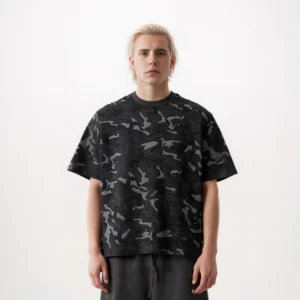
How Workout Type Influences the Best T-Shirt Choice
The best T-shirt for working out depends on how the body moves and how much heat and sweat are generated.
Styrketræning indebærer ofte korte anstrengelser med hvileintervaller. En tætsiddende, strækbar T-shirt, der tillader ubegrænset bevægelse, er ideel.
Cardio- og udholdenhedstræning kræver fremragende fugtstyring og åndbarhed. Lette, hurtigtørrende stoffer hjælper med at bevare komforten over længere tid.
Højintensiv intervaltræning skaber hurtig varmeudvikling. Ventilerede paneler og høj luftgennemtrængelighed bliver særligt vigtige.
Yoga og mobilitetsfokuseret træning prioriterer fleksibilitet og blødhed. Stræk og glatte sømme reducerer friktion under længerevarende stillinger.
Hvorfor design betyder lige så meget som stof
Stoffet alene er ikke afgørende for ydeevnen. Pasform og konstruktion har stor betydning for, hvordan en trænings-T-shirt opfører sig under bevægelse.
En veldesignet atletisk pasform følger kroppens konturer uden at begrænse bevægelserne. Alt for løse skjorter holder på varmen, mens alt for stramme skjorter begrænser luftgennemstrømningen.
Flatlock-sømme reducerer friktion og forhindrer gnidning. Forstærkede syninger forbedrer holdbarheden, især omkring skuldre og underarme.
Ærmelængde og skulderkonstruktion påvirker bevægelsesfriheden. De bedste trænings-T-shirts giver plads til dynamisk bevægelse uden at trække eller klemme.
Almindelige myter om trænings-T-shirts
En almindelig myte er, at tykkere stoffer er mere holdbare. I virkeligheden kan lette tekniske stoffer udkonkurrere tungere materialer på grund af avanceret fiberteknik.
En anden misforståelse er, at lugtmodstand kommer fra duftbehandlinger. Ægte lugtkontrol afhænger af fugtstyring og antimikrobielle egenskaber, ikke af maskerende dufte.
Pris alene definerer ikke kvalitet. Selv om førsteklasses materialer koster mere, afhænger ydeevnen af design og materialets egnethed, ikke af branding.
Sådan vælger du den bedste trænings-T-shirt til langtidsbrug
Når man vælger en trænings-T-shirt, skal man ikke kun tænke på den umiddelbare komfort, men også på den langsigtede ydeevne.
Holdbarhed er afgørende. Hyppig vask og høj bevægelsesbelastning kræver stoffer, der modstår pilling, strækning og falmning.
Overvejelser om levetid og vedligeholdelse
Nem vedligeholdelse forlænger tøjets levetid. Hurtigtørrende stoffer reducerer tørretiden og modvirker bakterievækst. Formstabiliteten sikrer en ensartet pasform over flere måneders brug.
Lugthåndtering bliver stadig vigtigere ved gentagen brug. Stoffer, der tørrer hurtigt og modstår ophobning af fugt, forbliver friske længere.
Ud fra et omkostningsperspektiv er det ofte mere økonomisk at investere i en holdbar T-shirt med fokus på ydeevne end ofte at udskifte udstyr af lavere kvalitet.
Definition af den bedste T-shirt til træning
Den bedste T-shirt til træning er ikke defineret af trends eller logoer. Den defineres af, hvor effektivt den håndterer sved, varme, bevægelse og holdbarhed under virkelige træningsforhold.
Ved at forstå stoffets opførsel, konstruktionskvalitet og træningsspecifikke behov bliver det lettere at vælge en T-shirt, der forbedrer komforten og præstationen i stedet for at begrænse den.
En velvalgt trænings-T-shirt understøtter ensartethed i træningen, reducerer ubehag og bidrager til bedre generelle træningsoplevelser - hvilket gør den til en lille, men betydningsfuld del af langsigtet fitness-succes.

T-shirts are common in everyday life, but few other garments have the technical sophistication that T-shirts seem to lack. Beyond the choice of fabric and the process of cutting it, the final steps of the manufacturing process have a significant impact on the feel, appearance, and performance of a T-shirt over time. One of these processes is called enzyme washing, which has been quietly adopted by many high-end casual wear brands.
En enzyme-based T-shirt that is washed has a basic, functional design. It’s the result of a controlled textile treatment that enhances softness, decreases surface fuzz, and improves the texture of fabric in a way that feels more natural than manufactured. For consumers, this implies a sense of comfort that enhances the wearability of the first use. For companies, it is a point of equilibrium between functionality, aesthetics, and sustainability.
The Role of Fabric Finishing in Modern Apparel
In the manufacturing of garments, the process of fabricating is called fabricating. This is the process by which raw material is converted into wearable clothing. Before the job is complete, many cotton or cotton-based fabrications feel stiff, uneven, or have a slight abrasiveness. These attributes may be weakened with repeated washes, but unintentional wear often results in pilling, distortion, or fading.
Today’s apparel design addresses these concerns prior to the garment being released to the consumer. Other methods of finishing, such as the washing of enzymes, seek to emulate the positive effects of long-term wear without the negative side effects. Instead of using time and friction to refine the fabric, it is done in a controlled environment.
This approach is symptomatic of a larger shift in the apparel industry’s expectations. Consumers no longer believe that comfort can be attained through repeated washes. They demand that garments should have a feel of being worn out, have breathing space, and be balanced from the first use. Enzyme cleaning directly addresses this belief by increasing the behavior of the fabric at the microscopic level.
What Enzyme Washing Actually Does to a T-Shirt
Enzyme washing is a chemical process that employs natural enzymes, primarily cellulase enzymes, to alter the fabric’s surface. These enzymes have a preference for degrading loose or protruding fibers of cellulose without negatively impacting the core of the fabric.
In cotton fabric that is not treated, the microscopic fiber ends are still exposed on the fabric’s surface. These fibers produce roughness, a dull appearance, and ultimately pilling. During the process of washing enzymes, these loose fibers are targeted and removed, thereby smoothing the fabric’s surface.
The outcome is a T-shirt that is significantly more comfortable, appears more hygienic, and drapes more naturally. Unlike mechanical processes that use chemicals to create a precise abrasion, enzyme washing is based on chemical precision instead of physical force. This facilitates the retention of the fabric’s strength while enhancing the touch.
Importantly, enzyme washing does not cover the fabric or make it artificially unique. The procedure enhances what is already present, which is why enzimatically-washed clothing typically ages smoothly rather than degrades erratically.
How Enzyme-Washed T-Shirts Feel Different in Daily Wear
The most obvious difference between an enzyme-washed T-shirt and a regular shirt is the touch of the latter. The fabric feels smoother against the skin, it has less friction and less stiffness. This softness is not apparent on the surface; it is instead derived from the removal of surface imperfections, rather than from the addition of softeners that wear away over time.
Breathability is also enhanced. By removing the excess fibers from the fabric’s surface, air can have more freedom to move between the fabric’s yarns. This causes T-shirts with enzymes to be particularly beneficial in humid environments or during extended wear.
Eventually, these shirts will have a greater capacity to maintain their feel in comparison to other treatments. Because the pilling is diminished at the origin, the fabric now refuses to appear faded, which often causes T-shirts to appear prematurely worn. This consistency is one reason why enzyme washing is popular in high-end casual and basic collections.
Enzyme Washing Compared to Other Fabric Treatments
To understand the value of enzyme washing, it helps to see how it differs from other common fabric treatments used in T-shirt production.
| Treatment Type | Primary Purpose | Effect on Fabric | Long-Term Result |
|---|---|---|---|
| Enzyme wash | Fiber refinement | Smooths surface, reduces fuzz | Soft feel, low pilling |
| Silicone softening | Temporary softness | Coats fibers | Soft initially, fades over time |
| Stone washing | Distressed look | Mechanical abrasion | Weakened fibers |
| Acid wash | Visual contrast | Harsh chemical treatment | Reduced durability |
| Garment washing | Shrink control | Mild mechanical action | Limited texture change |
Unlike treatments designed purely for appearance, enzyme washing prioritizes fabric integrity. It improves hand feel without compromising durability, making it suitable for everyday garments meant to be worn and washed repeatedly.
Why Enzyme-Washed T-Shirts Age Better Over Time
One of the less obvious advantages of enzyme-washed T-shirts becomes apparent after months of use. Because surface fibers are removed in a controlled way during production, there are fewer loose fibers available to form pills later.
This means the fabric maintains a cleaner appearance even after repeated laundering. Colors often appear more even as well, since excess fibers that scatter light are reduced. The T-shirt looks newer for longer, even if the wearer is not particularly careful with washing routines.
Shrinkage behavior is also more predictable. Enzyme washing often occurs after initial fabric stabilization, which helps control dimensional changes. As a result, enzyme washed T-shirts are less likely to twist, warp, or lose shape compared to untreated cotton shirts.
Environmental Considerations of Enzyme Washing
From a sustainability perspective, enzyme washing offers several advantages over traditional mechanical or chemical treatments. Enzymes are biodegradable and work under relatively mild conditions, requiring less energy and fewer harsh chemicals.
Because the process is efficient, it can reduce the need for repeated washing by consumers to achieve softness. This indirectly lowers water and energy consumption over the garment’s lifetime.
Many manufacturers choose enzyme washing as part of broader efforts to reduce environmental impact without sacrificing product quality. When implemented responsibly, it aligns well with modern expectations for sustainable apparel production.
Where Enzyme Washed T-Shirts Fit in Modern Wardrobes
Enzyme-washed T-shirts are most commonly found in premium basics, lifestyle apparel, and casual collections where comfort and longevity matter. They are especially popular in minimalist wardrobes, where garments are worn frequently and expected to perform consistently.
These T-shirts work equally well as standalone pieces or as layering elements. Their refined surface allows them to pair cleanly with structured outerwear, while their softness keeps them comfortable when worn alone.
For brands, enzyme washing offers a way to elevate a basic item without changing its fundamental identity. The T-shirt remains simple, but the experience of wearing it is noticeably improved.
Common Misconceptions About Enzyme-Washed Garments
Despite its benefits, enzyme washing is sometimes misunderstood. One common misconception is that enzyme-washed fabrics are weaker. In reality, the process targets only loose surface fibers, leaving the structural yarn intact.
Another misunderstanding is that enzyme washing is purely cosmetic. While visual improvements do occur, the most significant changes are tactile and functional. Comfort, breathability, and long-term appearance are all directly affected.
Some consumers also assume that enzyme-washed T-shirts require special care. In practice, they can be washed and worn like any high-quality cotton garment, often with better results over time.
Choosing an Enzyme-Washed T-Shirt: What to Look For
When selecting an enzyme-washed T-shirt, fabric composition matters. Pure cotton and cotton-rich blends respond particularly well to enzyme treatment. The quality of the base fabric still plays a role; enzyme washing enhances good materials but cannot compensate for poor yarn quality.
Construction details such as stitching, seam alignment, and fabric weight also influence overall performance. Enzyme washing improves feel and appearance, but the garment must still be well-made to deliver long-term value.
Ultimately, the best enzyme-washed T-shirts are those where the treatment feels integrated rather than advertised. The softness should feel natural, not overly slick, and the fabric should maintain its character rather than feeling artificially processed.
Why Enzyme Washed T-Shirts Represent a Thoughtful Upgrade
An enzyme-washed T-shirt represents a quiet refinement rather than a dramatic transformation. It takes a familiar garment and improves the aspects that matter most in daily wear: comfort, durability, and appearance over time.
Instead of relying on trend-driven design or surface decoration, enzyme washing enhances the fabric itself. This makes it particularly appealing in an era where consumers value longevity, sustainability, and subtle quality signals.
Choosing an enzyme-washed T-shirt is less about following a label and more about recognizing how thoughtful processing can elevate everyday clothing. It is an example of how small technical decisions in textile production can have a lasting impact on how garments feel and perform in real life.
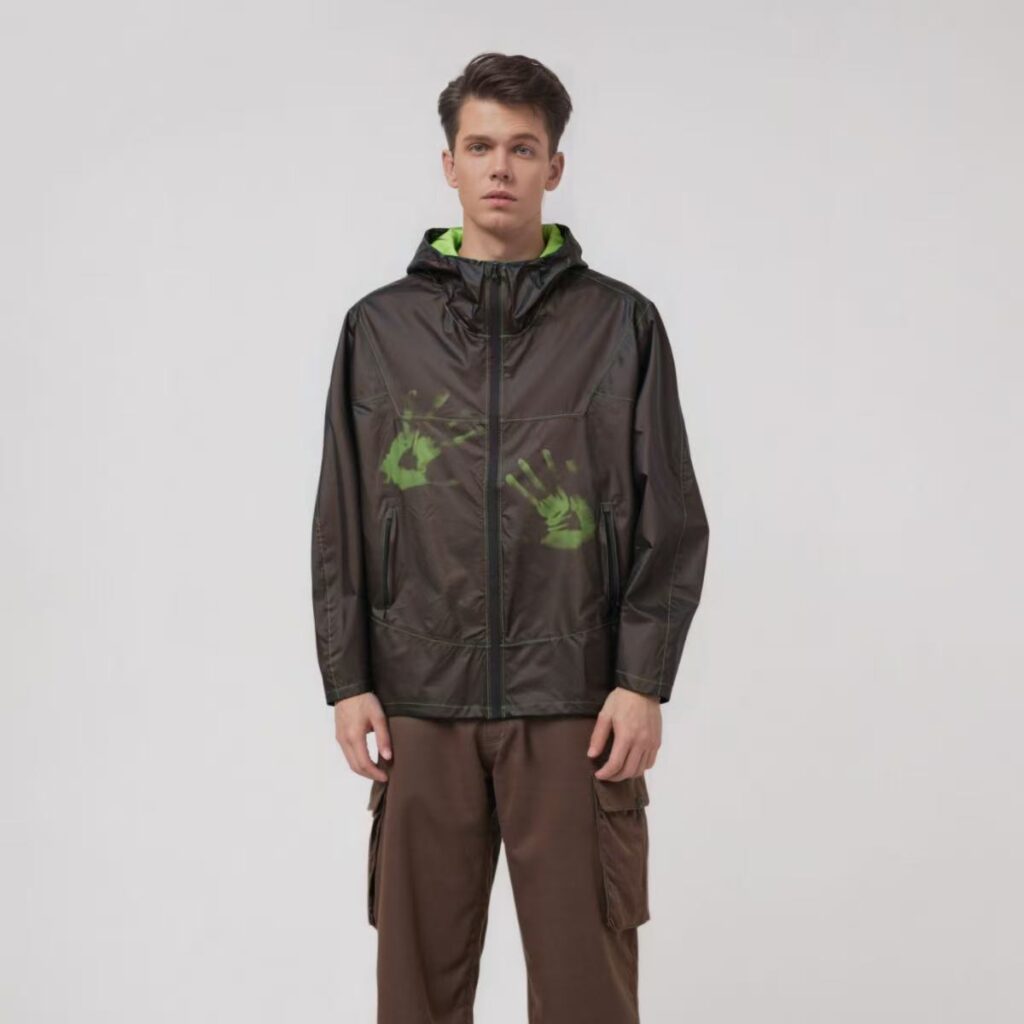
A jacket that changes color with temperature already sounds like a design experiment. Add waterproof performance to that equation, and many people instinctively assume something has to give. Either the jacket sacrifices protection for visual effect, or the color-changing feature is nothing more than a surface trick that fades with use.
In reality, modern waterproof thermochromic jackets work precisely because these two functions are not in conflict. They are engineered to exist in parallel, each operating within its own layer and purpose. To understand why rain stays out while colors continue to shift, it helps to move past marketing terms and look at how these jackets are actually built and used.
This is not a story about novelty. It is a story about materials, structure, and design decisions that enable waterproof performance and thermochromic response to coexist in a single wearable system.
When Waterproofing and Color Change Seem to Conflict
Initially, waterproofing and thermochromic behavior appear to be in conflict. Waterproofackets that are associated with impermeable surfaces, dense coatings, and barrier-like design are often referred to as waterproof. Conversely, thermochromic fabrics utilize sensitivity as their sole criterion: the capacity of pigments or materials to respond to temperature changes specifically.
From the perspective of the user, the worry is obvious. If a coat is unable to block precipitation, wind, and stains, how can it still perceive temperature changes accurately enough to cause a perceptible color shift? Shouldn’t a coating that promotes protection have an effect on this responsiveness?
This supposition is derived from a simple understanding of howackets function. Many individuals believe that fabric is composed of a single layer that functions all at once. In actuality, modern outerwear is comprised of a series of components. Every layer has a purpose, and every function is specifically dedicated to a particular role within the system.
Once this logic layer is understood, the apparent contradiction between waterproofing and thermochromic technology is diminished.
How Waterproof Jackets Actually Stop Water
The waterproofness of the performance is not derived from the simple mechanical locking. If this happened, wearing a waterproof jacket would resemble the wearing of a plastic sheet: uncomfortable, stiff, and ineffective. Instead, water-resistantackets that are effective utilize membranes or coatings that prevent water from entering while still allowing flexibility and durability.
In many modern projects, a high-performance polyurethane coating is employed to shield the fabric from external moisture. This coating is resistant to rain, wind, and everyday wear without changing the fabric’s shape. The coating’s effectiveness is based on creating a continuous barrier that water droplets cannot permeate through under normal conditions; this barrier is long-lasting.
What’s important is that this barrier is designed to sit at its proper position. It doesn’t have to affect the visual or thermal response, because these functions aren’t dependent on the water passing through the fabric. They require the temperature to reach the thermochromic components, which can occur when the surface is still dry.
To clarify how waterproof protection is achieved without sacrificing wearability, it helps to look at the core principles involved:
-
Water resistance comes from coatings or membranes, not fabric thickness
-
Flexibility and softness are preserved through controlled coating application
-
Waterproofing targets liquid penetration, not thermal transfer
This distinction is essential. Blocking water does not mean blocking temperature.
Where Thermochromic Function Exists in the Jacket
Thermochromic technology does not operate like a mechanical switch. It is a material response. Special pigments or compounds change their molecular structure when exposed to certain temperature ranges, altering the way they reflect light. This change appears to the human eye as a shift in color.
Crucially, this response does not require direct contact with air or moisture. It requires exposure to temperature variation. Heat from the body, cooling from the environment, or shifts in ambient conditions are enough to trigger the effect.
In a waterproof thermochromic jacket, the color-changing function is integrated into the outer fabric or surface design layer, while waterproof protection is provided by a separate coating or functional layer. These elements are designed to work together, not overlap unnecessarily.
Common placements of thermochromic elements include:
-
Integration within the outer fabric’s dye or pigment system
-
Controlled application on fabric surfaces that remain flexible
-
Positioning above or independent from waterproof coatings
Because thermochromic pigments respond to temperature rather than moisture, the presence of a waterproof barrier beneath or around them does not cancel their function.
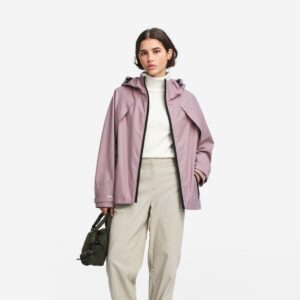
Why Waterproofing Does Not Cancel Color-Changing Performance
The key to compatibility lies in the separation of responsibilities. In a well-designed waterproof thermochromic jacket, no single layer is asked to do everything.
The waterproof layer is concerned with preventing rain, wind, and staining. The layer that focuses on the visual response to temperature is called the thermochromic layer. Other forms of energy, including thermal energy, can still be transmitted through fabric layers when water is unable to pass through. This is the reason why a coat can prevent you from getting wet in heavy precipitation while still exhibiting a visibly different temperature or external conditions.
This layered approach to engineering enables manufacturers to specifically tailor each function to their needs. Waterproofness can be increased without altering the color of the water, and the thermosensitivity of the water can be altered without diminishing the protection.
This is also the reason why theseackets are still popular rather than experimental. The wearer is not obligated to treat the garment differently. The jacket is still utilized as a daily outerwear, but with a new dimension that interacts with the wearer.
Lightweight Design and Cold-Weather Performance
Another misconception surrounding functional jackets is that advanced features require bulk. In practice, efficient material design often allows for lighter garments with reliable performance.
A waterproof thermochromic jacket with an 80GSM fabric weight can remain lightweight while still offering meaningful insulation. This balance comes from material efficiency rather than sheer mass. The jacket traps warmth effectively while maintaining flexibility and comfort.
Cold resistance down to approximately –20°C does not imply heavy padding. It reflects thoughtful construction that minimizes heat loss while allowing freedom of movement. For users, this means a jacket that feels easy to wear rather than restrictive, even in harsh conditions.
Lightweight construction also supports thermochromic performance. The fabric responds more quickly to temperature changes, making color transitions more noticeable and responsive during real-world use.
A Practical Comparison of Jacket Design Logic
Looking at standard waterproof jackets alongside waterproof thermochromic jackets helps clarify why the latter are not merely decorative upgrades.
| Aspect | Ordinary Waterproof Jacket | Waterproof Thermochromic Jacket |
|---|---|---|
| Primary Function | Protection from rain and wind | Protection plus temperature response |
| Visual Behavior | Fixed color | Color shifts with temperature |
| Fabric System | Functional coating and base fabric | Layered system with thermochromic integration |
| User Interaction | Passive protection | Interactive visual feedback |
| Design Complexity | Moderat | Higher, but purpose-driven |
This comparison shows that thermochromic functionality adds complexity, but not confusion. Each element exists for a clear reason.
Everyday Usability and Easy Care
Advanced functionality often raises maintenance concerns. Users may assume that jackets with color-changing features require delicate handling or special cleaning processes. In practice, modern waterproof thermochromic jackets are engineered for everyday convenience.
Machine washability and tumble-dry safety are not afterthoughts. They are design requirements. The materials and coatings are selected to maintain both waterproof integrity and thermochromic performance after repeated cleaning cycles.
This focus on easy care matters because it determines whether a jacket becomes part of daily life or remains an occasional novelty. A garment that performs well but demands extra effort rarely earns long-term use.
Why This Technology Is Moving Beyond Novelty
Thermochromic jackets initially attracted attention because they looked different. What keeps them relevant is that the visual effect serves a functional role. Color change offers immediate feedback about temperature conditions, helping users intuitively understand their environment.
In combination with waterproof protection, this feedback becomes more than aesthetic. It enhances awareness without requiring conscious effort. The jacket communicates conditions passively, through design rather than instruction.
Common contexts where this technology makes sense include:
-
Outdoor activities with shifting temperatures
-
Urban commuting across varying environments
-
Travel situations where the weather changes rapidly
In these settings, waterproof thermochromic jackets offer both protection and information, delivered through material behavior rather than screens or devices.
Customization and Practical Manufacturing Considerations
From a production perspective, jackets like these benefit from flexible customization options. Design styles, colors, and sizing can be adapted to different markets and usage scenarios. This adaptability allows brands to integrate thermochromic technology without abandoning their existing design language.
Minimum order quantities and stable production timelines support scalability, making these jackets viable not only for limited runs but also for broader distribution. Experienced manufacturing teams ensure that design intent is preserved from concept through delivery.
Customization does not weaken functionality. When managed correctly, it reinforces it by aligning performance features with real user needs.
A Balanced View of Innovation
Waterproof thermochromic jackets are not defined by spectacle. Their value lies in how quietly they work. Rain stays out. Wind is blocked. Colors shift naturally with temperature. None of these functions demands attention, yet all of them contribute to a more responsive wearing experience.
Innovation in clothing does not always mean reinventing how garments look or feel. Sometimes it means refining how materials behave together. Waterproof thermochromic jackets succeed because they respect that principle.
They remain dry because waterproofing targets moisture, not temperature. They change color because thermochromic materials respond to heat, not water. Once these roles are clearly separated, the technology stops feeling mysterious and starts feeling logical.
That logic is why these jackets are no longer experimental concepts. They are practical garments designed for real conditions, real users, and real weather.