



Abstract
The concept of funktionelt tøj has evolved significantly alongside advancements in textile science and material engineering, as well as in response to consumer demand for performance-driven clothing.
According to Gupta and Zakaria (2022) in the Journal of Industrial Textiles, functional apparel is defined as garments designed to provide performance characteristics that go beyond basic aesthetics, such as moisture management, thermal regulation, antimicrobial protection, and mechanical support.
Furthermore, the Textile Research Journal (2023) highlights that the integration of smart fibres and nanotechnology has expanded the classification of functional apparel into multiple high-performance categories, including protective, medical, and smart textiles.
This article provides a comprehensive, industry-level analysis of functional apparel, covering its definition, classification, materials, manufacturing technologies, applications, and future trends, and offering insights that go beyond standard market overviews.
Introduction: The Rise of Functional Apparel
In the modern apparel industry, clothing is no longer just about providing basic coverage or aesthetic appeal. The emergence of functional apparel reflects a fundamental shift towards performance-oriented design, in which garments are engineered to interact with the human body and the environment in highly specialised ways.
This transformation is driven by advances in textile engineering, growing consumer awareness, and the increasing demand for clothing that enhances comfort, safety, and performance in a variety of situations.
From moisture-wicking fabrics for athletes to antimicrobial garments for healthcare professionals, functional apparel has become an essential part of daily life. Its applications extend beyond sportswear into sectors such as healthcare, the military, construction, and outdoor recreation.
Therefore, manufacturers, designers, and buyers must understand the definition and classification of functional apparel to remain competitive in a rapidly evolving market.
Definition of Functional Apparel
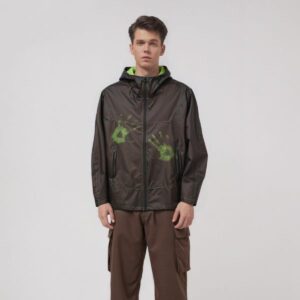
Functional apparel is specifically designed and engineered to deliver performance features that go beyond the traditional functions of clothing. These features are typically achieved through the integration of advanced materials, innovative fabric structures, and specialised finishing processes.
While conventional apparel prioritises aesthetics and basic comfort, functional apparel focuses on enhancing the wearer’s experience by addressing specific environmental, physiological, or occupational challenges. For instance, a moisture-wicking shirt actively transports sweat away from the skin, and a thermal jacket regulates body temperature in extreme weather conditions.
Functional apparel is defined by its purpose-driven design, where every element — from fibre selection to garment construction — is optimised to achieve a specific functional outcome. This approach necessitates a multidisciplinary understanding of textile science, human physiology, and environmental conditions.
Core Characteristics of Functional Apparel
Functional apparel is distinguished by a number of key characteristics that differentiate it from traditional garments. These characteristics are often interrelated, collectively contributing to the clothing’s overall performance.
- Moisture management
One of the most common features of functional apparel is its ability to manage moisture effectively. Fabrics are designed to draw sweat away from the skin to promote evaporation and keep you dry. This is particularly important in sportswear and outdoor clothing, where moisture build-up can lead to discomfort and impaired performance.
- Thermal regulation
Thermal regulation involves maintaining an optimal body temperature, regardless of external conditions. Functional apparel achieves this through insulating materials, breathable structures, or phase-change materials that adapt to temperature changes.
- Breathability and air permeability
Breathability ensures adequate airflow through the fabric, preventing overheating and improving comfort. Advanced textile structures and micro-ventilation technologies enhance this property.
- Protection and safety
Functional apparel often incorporates protective features such as flame resistance, UV protection, chemical resistance, and impact absorption. These features are critical in industries such as firefighting, construction, and healthcare.
- Durability and mechanical performance
High-performance garments are designed to withstand wear and tear in demanding conditions. Reinforced fibres, abrasion-resistant coatings, and advanced weaving techniques all contribute to durability.
Classification of Functional Apparel
Functional apparel can be categorized based on its primary function and application. The following table provides a comprehensive classification:
|
Category |
Beskrivelse |
Vigtige funktioner |
Anvendelser |
|
Sportswear |
Performance-enhancing clothing |
Moisture-wicking, stretch, breathability |
Running, gym, athletics |
|
Protective Apparel |
Safety-focused garments |
Flame-resistant, chemical-resistant |
Firefighting, industrial work |
|
Medical Apparel |
Healthcare-oriented clothing |
Antimicrobial, fluid-resistant |
Hospitals, clinics |
|
Outdoor Apparel |
Weather-resistant clothing |
Waterproof, thermal insulation |
Hiking, camping |
|
Smart Apparel |
Technology-integrated garments |
Sensors, connectivity |
Health monitoring, fitness tracking |
This classification demonstrates the versatility of functional apparel and its ability to address diverse needs across industries.
Materials Used in Functional Apparel
The performance of functional clothing is largely determined by the materials used to make it. Modern functional textiles combine natural and synthetic fibres to achieve the best possible results.
- Synthetic fibres
Polyester, nylon, and spandex are widely used due to their strength, elasticity, and ability to manage moisture. These fibres can be engineered to enhance specific properties, such as durability and stretch.
- Natural fibres
Wool and cotton are often used for their comfort and breathability. Merino wool, in particular, is valued for its thermal regulation and odour resistance.
- Advanced functional materials
Recent innovations include nanofibres, graphene-infused fabrics, and phase-change materials. These materials offer advanced functionalities such as temperature adaptation and antimicrobial properties.
Manufacturing Technologies
Functional apparel is designed to enhance performance through features such as moisture management, thermal regulation, protection, and durability. Its production integrates advanced textile technologies and materials science.
- Advanced fibre engineering
Synthetic fibres (e.g., polyester, nylon, and spandex) provide elasticity, durability, and moisture-wicking properties.
High-performance fibres (e.g., aramid and carbon fibre blends) offer flame resistance, strength, and protection.
- Sustainable fibres
Sustainable fibres (e.g., recycled polyester and bio-based yarns) are increasingly being adopted to meet environmental demands.
- Fabric Construction Technologies
Knitting (circular and warp): Enhances stretch, breathability, and comfort.
Weaving: Provides strength and durability for outerwear and protective garments.
3D knitting and seamless technology: Reduce waste and improve ergonomic fit.
- Functional finishing processes:
– Moisture-wicking treatments for sweat management
– Waterproof and breathable coatings (e.g., PU and PTFE membranes)
– Antimicrobial and anti-odour finishes
– UV protection and flame-retardant treatments
- Lamination and coating
Multi-layer fabric systems combine outer shells, membranes, and inner linings to provide water resistance, insulation, and windproofing.
- Smart textile integration
– Embedded sensors for health monitoring
– Conductive yarns for wearable electronics
– Integration with IoT systems for real-time data tracking
Advantages of Functional Apparel
|
Advantage |
Beskrivelse |
Impact |
|
Enhanced Comfort |
Moisture and temperature control |
Improved user experience |
|
Performance Optimization |
Supports physical activity |
Increased efficiency |
|
Safety |
Protective features |
Reduced risk |
|
Holdbarhed |
Resistance wear and tear |
Longer lifespan |
|
Versatility |
Multi-purpose |
Broader market reach |
Functional apparel provides tangible benefits that justify its growing popularity across consumer and industrial markets.
Challenges and Limitations
Despite rapid advancements, the manufacturing of functional apparel faces several key challenges.
- High production costs
The use of advanced materials and multi-step processing increases production costs, making it difficult to balance performance and affordability.
- Material compatibility
Combining different fibres, coatings, and laminates can lead to issues such as delamination, reduced breathability, or inconsistent performance.
- Durability vs. comfort trade-off
Highly durable or protective fabrics may compromise softness, flexibility, or wearability, particularly in consumer apparel.
- Sustainability concerns
– Use of synthetic materials contributes to microplastic pollution.
– Chemical finishing processes may have environmental impacts.
– Recycling multi-layer fabrics remains complex.
- Complex manufacturing processes
Functional apparel often requires multiple production stages, which increases lead time and operational complexity.
Future Trends (2026–2030)
The functional apparel industry is expected to undergo a significant transformation, driven by sustainability, digitalisation, and consumer demand.
- Sustainable innovation:
– Increased adoption of bio-based and recyclable materials
– Development of mono-material fabrics for easier recycling
– Waterless dyeing and eco-friendly finishing technologies
- Smart and wearable technology
– Growth in smart apparel with embedded sensors and connectivity
– Integration with health, fitness, and safety monitoring systems
– Expansion into medical and industrial applications
- AI and digital manufacturing
– AI-driven design and production optimisation
– Digital prototyping and 3D simulation to reduce development time
– Automated cutting, sewing, and quality control systems
- Customisation and on-demand production
– Personalised functional apparel tailored to individual needs
– Growth of on-demand manufacturing to reduce inventory waste
– Use of digital platforms for rapid product customisation
- Multi-functional and hybrid textiles
– Fabrics that combine thermal regulation, moisture control, and protection in a single layer
– Increased demand for all-season, multi-purpose garments
- Lightweight and high-performance materials
– Development of ultra-lightweight yet durable fabrics
– Enhanced breathability and comfort without compromising on protection
FAQ Section
Q1: What is functional apparel?
Functional apparel refers to clothing designed to provide specific performance benefits such as moisture management, thermal regulation, and protection.
Q2: What are examples of functional apparel?
Examples include sportswear, protective clothing, medical garments, and smart apparel with embedded sensors.
Q3: What materials are used in functional apparel?
Common materials include polyester, nylon, spandex, wool, and advanced materials like nanofibers.
Q4: Why is functional apparel important?
It enhances comfort, safety, and performance in various environments and activities.
Q5: What is the future of functional apparel?
The future includes smart textiles, sustainable materials, and AI-driven garment design.
Konklusion
The concept of functional apparel marks a transformative shift in the fashion industry, where performance, technology, and sustainability converge to create garments that meet the evolving needs of modern consumers. Understanding its definition, classification, and underlying technologies enables industry professionals to navigate this dynamic market more effectively and develop innovative solutions that deliver both functionality and value.
As technological advancements continue to reshape the landscape, functional apparel will play an increasingly important role in enhancing human performance, safety, and comfort in a variety of settings.