
Abstract
This comprehensive guide explores the fundamental differences between knit and woven clothing, examining their construction methods, structural characteristics, performance properties, and optimal applications in apparel manufacturing.
Understanding these distinctions enables informed sourcing decisions for B2B buyers in the textile and garment industries. While both fabric types serve essential roles in commercial textile production, their divergent manufacturing processes create distinct performance profiles that directly impact product selection, cost structures, and end-use suitability.
This analysis provides procurement professionals with technical criteria for fabric specification, quality benchmarking protocols, and application-matched sourcing strategies that optimize total cost of ownership across diverse apparel categories.
Construction Methods: Knitting vs. Weaving
How Knit Fabrics Are Made?
Knit fabrics are constructed through a continuous interlocking loop formation process where a single yarn or multiple yarns create successive rows of loops that interlock vertically and horizontally. The fundamental unit—a loop consisting of a head, two legs, and two feet—connects to adjacent loops through mechanical manipulation rather than perpendicular interlacement. Modern circular knitting machines operate at speeds exceeding 40 revolutions per minute, producing tubular fabrics with diameters ranging from 12 to 60 inches, while flat knitting machines create open-width fabrics with selvedge edges.
The yarn path in knitting follows a meandering course, alternating between needles in a sequential pattern that determines fabric structure. Weft knitting (most common in apparel) feeds yarn horizontally across the fabric width, with each course representing one complete yarn passage. Warp knitting utilizes multiple yarn systems running vertically, creating more stable structures suitable for technical textiles. Production machinery includes single jersey machines for basic T-shirt fabrics, rib machines for cuffs and waistbands, and interlock machines for double-face constructions. Gauge measurement (needles per inch) directly influences fabric weight and stretch properties, with typical apparel gauges ranging from 18 to 32.
How Woven Fabrics Are Constructed?
Woven fabrics result from the perpendicular interlacement of two distinct yarn systems: warp yarns (lengthwise, parallel to selvedge) and weft yarns (crosswise, filling). Loom operation follows a four-step cycle: shedding (separating warp yarns into upper and lower layers), picking (inserting weft yarn through the shed), beating (pushing weft yarn against the face of the cloth), and taking-up (advancing completed fabric). Modern air-jet and rapier looms achieve insertion rates exceeding 1,200 picks per minute, with production widths spanning 150 to 360 centimeters.
The three fundamental weave structures govern fabric characteristics: plain weave creates maximum interlacement frequency (each weft crosses alternating warps), producing durable, balanced fabrics like poplin and canvas; twill weave generates diagonal lines through staggered interlacement, offering superior drape and abrasion resistance in denim and gabardine; satin weave minimizes interlacement points to create lustrous surfaces with floating yarns, exemplified in sateen and charmeuse constructions. Thread count (ends per inch × picks per inch) serves as a primary quality indicator, with premium shirting fabrics exceeding 200 threads per inch. Warp tension control, beam preparation quality, and sizing application critically affect production efficiency and fabric uniformity.
Key Structural and Performance Differences
Physical Characteristics Comparison
The loop-based architecture of knit fabrics delivers inherent mechanical stretch ranging from 25% to 200%, depending on construction type, while woven fabrics exhibit minimal elongation (typically under 5%) unless elastomeric yarns are incorporated. This fundamental difference dictates comfort profiles: knit garments conform to body contours through elastic recovery, whereas woven garments maintain dimensional stability and structured silhouettes. Breathability varies significantly—single jersey knits provide superior air permeability (150-250 cubic feet per minute per square foot) compared to tightly woven fabrics (50-120 CFM/ft²), making knits preferable for activewear applications.
Drape characteristics diverge based on structural rigidity: woven fabrics demonstrate crisp, angular drape suitable for tailored garments, while knits exhibit fluid, body-conforming drape. Weight ranges overlap considerably, though production methods influence typical values: lightweight single jersey knits start at 120 GSM (grams per square meter), while comparable woven voiles begin at 80 GSM. Recovery properties—the ability to return to original dimensions after deformation—favor knits for applications requiring repeated stretching, whereas woven fabrics excel in shape retention for structured garments.
Knit vs. Woven Fabric Comparison Matrix
| Property | Knit Fabrics | Woven Fabrics |
|---|---|---|
| Stretch (%) | 25-200% (bi-directional) | <5% (unless elastane added) |
| Atmungsaktivität | High (150-250 CFM/ft²) | Moderate (50-120 CFM/ft²) |
| Bewertung der Dauerhaftigkeit | Moderate (prone to snagging) | High (superior abrasion resistance) |
| Wrinkle Resistance | Excellent (elastic recovery) | Low to Moderate (requires finishing) |
| Typical Weight Range | 120-300 GSM | 80-400 GSM |
| Production Speed | 40+ RPM (circular knitting) | 800-1200 PPM (weaving) |
| Dimensional Stability | Moderate (relaxation shrinkage) | High (minimal distortion) |
| Fraying Tendency | Low (runs/ladders instead) | High (requires edge finishing) |
Durability and Maintenance Requirements
Woven fabrics demonstrate superior abrasion resistance due to yarn interlacement stability, achieving 50,000+ Martindale cycles in workwear applications compared to 15,000-25,000 cycles for standard knits. However, knit structures resist tearing forces more effectively—a pulled loop redistributes stress across the fabric rather than propagating a straight tear. Dimensional stability challenges differ: knits experience relaxation shrinkage (3-8% in the first wash) as loops adjust to equilibrium positions, while wovens undergo minimal shrinkage (<2%) when properly finished with sanforization or compressive treatments.
Care instruction complexity varies by construction. Woven cotton garments withstand high-temperature washing (60-90°C) and aggressive mechanical action, suitable for industrial laundry processing. Knit fabrics require gentler handling—medium temperatures (30-40°C), reduced agitation, and flat drying to prevent distortion. Commercial lifespan expectations under institutional use conditions: woven uniforms typically deliver 75-100 wash cycles before replacement, while knit garments achieve 50-75 cycles. Pilling resistance favors tightly woven structures, though modern anti-pilling finishes on knits narrow this performance gap.
Commercial Applications and Product Categories
Typical Knit Clothing Applications
Knit fabrics dominate categories requiring comfort, flexibility, and body-conforming fit. T-shirt manufacturing represents the largest volume application, with single jersey cotton and cotton-polyester blends accounting for over 2 billion units annually in global trade. Activewear and athleisure segments leverage moisture-wicking polyester knits (often incorporating spandex at 5-15%) for yoga pants, running tops, and compression garments where four-way stretch enhances performance.
Underwear production relies almost exclusively on knit constructions—cotton jersey for everyday basics, modal blends for premium comfort, and technical knits with antimicrobial treatments for performance underwear. Hosiery manufacturing utilizes fine-gauge warp knitting (up to 400 needles per inch) to create sheer, elastic stockings and socks with engineered compression zones. The casualwear segment employs fleece knits (brushed on interior surfaces) for sweatshirts and loungewear, while interlock and rib knits serve polo shirts and children’s apparel requiring durability with stretch.
Common Woven Clothing Uses
Woven fabrics establish industry standards for formal wear, where structured silhouettes and crisp appearance define quality expectations. Men’s dress shirts utilize poplin, Oxford, and twill weaves in thread counts from 80 to 200+, with long-staple cotton yarns delivering superior hand feel. Suit manufacturing depends on worsted wool twills and plain weaves, where dimensional stability maintains sharp creases and tailored lines through extended wear cycles.
Outerwear applications exploit woven fabrics’ superior wind resistance and layering capability. Canvas jackets, denim workwear, and technical shell garments employ tightly woven constructions with water-repellent finishes. Industrial workwear specifies heavy twills (280-400 GSM) meeting EN ISO 13688 standards for protective clothing, where abrasion resistance and tear strength prove critical. Home textile markets consume vast quantities of woven fabrics—bed linens utilize percale and sateen weaves, upholstery relies on jacquard and dobby constructions, and drapery fabrics employ decorative weave patterns for aesthetic appeal.
Sourcing Considerations for B2B Buyers
Cost Analysis and MOQ Factors
Raw material costs constitute 45-60% of finished fabric pricing for both categories, though processing expenses diverge significantly. Knitting operations require lower capital investment (circular knitting machines: $30,000-$80,000) compared to weaving infrastructure (air-jet looms: $80,000-$150,000), influencing price-per-meter calculations. Standard cotton jersey wholesales at $2.50-$4.00/meter, while comparable woven poplin ranges $3.00-$5.50/meter due to higher production complexity and slower output rates.
Minimum order quantities reflect production efficiency thresholds: knit fabric suppliers typically specify 500-1,000 meters per color/construction, while woven fabric MOQs start at 1,500-3,000 meters due to loom setup requirements and beam preparation costs. Lead times for stock-supported basics (white, black, navy) average 15-25 days for knits versus 25-35 days for wovens. Custom color development extends timelines by 10-15 days for both categories, with dye lot consistency more challenging in knits due to tension variations during processing.
Production planning must account for yield differences: knit fabrics experience 8-12% waste during cutting due to edge curling and relaxation, while woven fabrics generate 5-8% waste. However, knit garment assembly proves faster (15-20% time reduction) due to fewer seam treatments and simplified construction techniques, partially offsetting higher material waste.
Quality Control Standards
International testing protocols establish objective performance benchmarks for procurement specifications. ASTM D3887 governs knit fabric dimensional changes, measuring relaxation shrinkage, consolidation shrinkage, and growth after laundering cycles. ASTM D3775 standardizes woven fabric thread count determination through direct counting methods or automated optical analysis. ISO 13934-1 (tensile strength testing) applies to both fabric types, but with different acceptance criteria—woven fabrics typically demonstrate 2-3× higher breaking strength in warp direction compared to knit fabrics of equivalent weight.
Compliance requirements for international markets demand specific certifications: OEKO-TEX Standard 100 for chemical safety (mandatory for EU markets), REACH regulation conformity for restricted substances, and CPSIA compliance for children’s products in US markets. Functional performance testing includes ISO 12947 (abrasion resistance), ISO 6330 (domestic washing procedures), and AATCC 135 (dimensional changes). B2B buyers should specify pre-shipment inspection protocols covering fabric weight tolerance (±5%), color fastness minimums (Grade 4 for washing, Grade 3-4 for light), and defect acceptance levels (4-point system with maximum 28 points per 100 square yards).
Third-party laboratory testing costs range $800-$1,500 per fabric construction for comprehensive analysis, representing an essential investment for large-volume contracts exceeding 10,000 meters. Supplier qualification should verify ISO 9001 certification, production capacity documentation, and historical performance data on delivery reliability and quality consistency.
FAQ Module
Q1: Can woven fabrics be made stretchy like knit fabrics?
Yes, through elastomeric yarn incorporation. Modern stretch woven fabrics blend 2-5% spandex (elastane) with cotton, polyester, or wool to achieve 15-30% elongation while maintaining the woven fabric’s structural characteristics. Mechanical stretch weaving techniques using textured yarns can deliver 10-15% stretch without elastomers. However, woven stretch fabrics never match the multi-directional elasticity or recovery speed. Applications include stretch denim, performance chinos, and fitted dress shirts, where moderate give enhances comfort without sacrificing tailored appearance.
Q2: Which fabric type is more suitable for high-volume uniform production?
Woven fabrics typically prove superior for institutional uniform programs due to extended service life (75-100 wash cycles vs. 50-75 for knits), dimensional stability that maintains professional appearance, and compatibility with industrial laundry processing at high temperatures. Healthcare uniforms increasingly specify polyester-cotton twills (65/35 blend) meeting NFPA 702 flame resistance standards. However, knit polo shirts dominate hospitality and retail uniforms, where comfort and ease of movement outweigh durability considerations. Total cost analysis should evaluate replacement frequency, laundering expenses, and end-user satisfaction metrics rather than initial purchase price alone.
Q3: How do shrinkage rates differ between knit and woven garments?
Knit fabrics experience greater dimensional change, primarily through relaxation shrinkage (3-8% in length, 2-5% in width during the first wash) as mechanically-stressed loops return to natural equilibrium positions. Woven fabrics shrink minimally (<2%) when properly finished with compressive shrinkage processes like sanforization. Critical mitigation strategies: specify compacted knit fabrics pre-shrunk to <3% residual shrinkage, require AATCC 135 test reports documenting dimensional stability after three wash cycles, and adjust pattern grading to compensate for predicted shrinkage. Polyester blends (50%+ synthetic content) significantly reduce shrinkage in both fabric types through fiber stability, though 100% cotton constructions remain preferred for comfort-critical applications despite higher dimensional change.
Schlussfolgerung
Selecting between knit and woven clothing for B2B procurement demands systematic evaluation of application requirements, performance priorities, and total cost considerations beyond unit pricing. Knit fabrics deliver unmatched comfort, flexibility, and production efficiency for casualwear, activewear, and undergarments where body conformity and ease of movement define product success. Woven fabrics establish quality standards for formal wear, workwear, and applications requiring structural integrity, durability, and professional appearance retention through extended use cycles.
Critical decision factors include: end-use performance requirements (stretch vs. stability), maintenance infrastructure compatibility (industrial vs. gentle laundering), expected service life under actual use conditions, and regulatory compliance mandates for target markets. Sophisticated buyers recognize that fabric construction represents only one variable in garment quality—yarn selection, finishing treatments, construction techniques, and quality control rigor equally influence product performance and customer satisfaction. Successful sourcing strategies integrate technical specification development, supplier qualification protocols, and ongoing performance monitoring to optimize value delivery across diverse apparel categories.
Abstract
The concept of funktionale Kleidung has evolved significantly alongside advancements in textile science and material engineering, as well as in response to consumer demand for performance-driven clothing.
According to Gupta and Zakaria (2022) in the Journal of Industrial Textiles, functional apparel is defined as garments designed to provide performance characteristics that go beyond basic aesthetics, such as moisture management, thermal regulation, antimicrobial protection, and mechanical support.
Furthermore, the Textile Research Journal (2023) highlights that the integration of smart fibres and nanotechnology has expanded the classification of functional apparel into multiple high-performance categories, including protective, medical, and smart textiles.
This article provides a comprehensive, industry-level analysis of functional apparel, covering its definition, classification, materials, manufacturing technologies, applications, and future trends, and offering insights that go beyond standard market overviews.
Introduction: The Rise of Functional Apparel
In the modern apparel industry, clothing is no longer just about providing basic coverage or aesthetic appeal. The emergence of functional apparel reflects a fundamental shift towards performance-oriented design, in which garments are engineered to interact with the human body and the environment in highly specialised ways.
This transformation is driven by advances in textile engineering, growing consumer awareness, and the increasing demand for clothing that enhances comfort, safety, and performance in a variety of situations.
From moisture-wicking fabrics for athletes to antimicrobial garments for healthcare professionals, functional apparel has become an essential part of daily life. Its applications extend beyond sportswear into sectors such as healthcare, the military, construction, and outdoor recreation.
Therefore, manufacturers, designers, and buyers must understand the definition and classification of functional apparel to remain competitive in a rapidly evolving market.
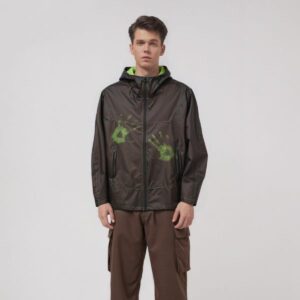
Definition of Functional Apparel
Functional apparel is specifically designed and engineered to deliver performance features that go beyond the traditional functions of clothing. These features are typically achieved through the integration of advanced materials, innovative fabric structures, and specialised finishing processes.
While conventional apparel prioritises aesthetics and basic comfort, functional apparel focuses on enhancing the wearer’s experience by addressing specific environmental, physiological, or occupational challenges. For instance, a moisture-wicking shirt actively transports sweat away from the skin, and a thermal jacket regulates body temperature in extreme weather conditions.
Functional apparel is defined by its purpose-driven design, where every element — from fibre selection to garment construction — is optimised to achieve a specific functional outcome. This approach necessitates a multidisciplinary understanding of textile science, human physiology, and environmental conditions.
Core Characteristics of Functional Apparel
Functional apparel is distinguished by a number of key characteristics that differentiate it from traditional garments. These characteristics are often interrelated, collectively contributing to the clothing’s overall performance.
- Moisture management
One of the most common features of functional apparel is its ability to manage moisture effectively. Fabrics are designed to draw sweat away from the skin to promote evaporation and keep you dry. This is particularly important in sportswear and outdoor clothing, where moisture build-up can lead to discomfort and impaired performance.
- Thermal regulation
Thermal regulation involves maintaining an optimal body temperature, regardless of external conditions. Functional apparel achieves this through insulating materials, breathable structures, or phase-change materials that adapt to temperature changes.
- Breathability and air permeability
Breathability ensures adequate airflow through the fabric, preventing overheating and improving comfort. Advanced textile structures and micro-ventilation technologies enhance this property.
- Protection and safety
Functional apparel often incorporates protective features such as flame resistance, UV protection, chemical resistance, and impact absorption. These features are critical in industries such as firefighting, construction, and healthcare.
- Durability and mechanical performance
High-performance garments are designed to withstand wear and tear in demanding conditions. Reinforced fibres, abrasion-resistant coatings, and advanced weaving techniques all contribute to durability.
Classification of Functional Apparel
Functional apparel can be categorized based on its primary function and application. The following table provides a comprehensive classification:
|
Category |
Beschreibung |
Wesentliche Merkmale |
Anwendungen |
|
Sportbekleidung |
Performance-enhancing clothing |
Moisture-wicking, stretch, breathability |
Running, gym, athletics |
|
Protective Apparel |
Safety-focused garments |
Flame-resistant, chemical-resistant |
Firefighting, industrial work |
|
Medical Apparel |
Healthcare-oriented clothing |
Antimicrobial, fluid-resistant |
Hospitals, clinics |
|
Outdoor Apparel |
Weather-resistant clothing |
Waterproof, thermal insulation |
Hiking, camping |
|
Smart Apparel |
Technology-integrated garments |
Sensors, connectivity |
Health monitoring, fitness tracking |
This classification demonstrates the versatility of functional apparel and its ability to address diverse needs across industries.
Materials Used in Functional Apparel
The performance of functional clothing is largely determined by the materials used to make it. Modern functional textiles combine natural and synthetic fibres to achieve the best possible results.
- Synthetic fibres
Polyester, nylon, and spandex are widely used due to their strength, elasticity, and ability to manage moisture. These fibres can be engineered to enhance specific properties, such as durability and stretch.
- Natural fibres
Wool and cotton are often used for their comfort and breathability. Merino wool, in particular, is valued for its thermal regulation and odour resistance.
- Advanced functional materials
Recent innovations include nanofibres, graphene-infused fabrics, and phase-change materials. These materials offer advanced functionalities such as temperature adaptation and antimicrobial properties.
Manufacturing Technologies
Functional apparel is designed to enhance performance through features such as moisture management, thermal regulation, protection, and durability. Its production integrates advanced textile technologies and materials science.
- Advanced fibre engineering
Synthetic fibres (e.g., polyester, nylon, and spandex) provide elasticity, durability, and moisture-wicking properties.
High-performance fibres (e.g., aramid and carbon fibre blends) offer flame resistance, strength, and protection.
- Sustainable fibres
Sustainable fibres (e.g., recycled polyester and bio-based yarns) are increasingly being adopted to meet environmental demands.
- Fabric Construction Technologies
Knitting (circular and warp): Enhances stretch, breathability, and comfort.
Weaving: Provides strength and durability for outerwear and protective garments.
3D knitting and seamless technology: Reduce waste and improve ergonomic fit.
- Functional finishing processes:
– Moisture-wicking treatments for sweat management
– Waterproof and breathable coatings (e.g., PU and PTFE membranes)
– Antimicrobial and anti-odour finishes
– UV protection and flame-retardant treatments
- Lamination and coating
Multi-layer fabric systems combine outer shells, membranes, and inner linings to provide water resistance, insulation, and windproofing.
- Smart textile integration
– Embedded sensors for health monitoring
– Conductive yarns for wearable electronics
– Integration with IoT systems for real-time data tracking
Advantages of Functional Apparel
|
Advantage |
Beschreibung |
Impact |
|
Enhanced Comfort |
Moisture and temperature control |
Improved user experience |
|
Performance Optimization |
Supports physical activity |
Increased efficiency |
|
Safety |
Protective features |
Reduced risk |
|
Dauerhaftigkeit |
Resistance wear and tear |
Longer lifespan |
|
Vielseitigkeit |
Multi-purpose |
Broader market reach |
Functional apparel provides tangible benefits that justify its growing popularity across consumer and industrial markets.
Challenges and Limitations
Despite rapid advancements, the manufacturing of functional apparel faces several key challenges.
- High production costs
The use of advanced materials and multi-step processing increases production costs, making it difficult to balance performance and affordability.
- Material compatibility
Combining different fibres, coatings, and laminates can lead to issues such as delamination, reduced breathability, or inconsistent performance.
- Durability vs. comfort trade-off
Highly durable or protective fabrics may compromise softness, flexibility, or wearability, particularly in consumer apparel.
- Sustainability concerns
– Use of synthetic materials contributes to microplastic pollution.
– Chemical finishing processes may have environmental impacts.
– Recycling multi-layer fabrics remains complex.
- Complex manufacturing processes
Functional apparel often requires multiple production stages, which increases lead time and operational complexity.
Future Trends (2026–2030)
The functional apparel industry is expected to undergo a significant transformation, driven by sustainability, digitalisation, and consumer demand.
- Sustainable innovation:
– Increased adoption of bio-based and recyclable materials
– Development of mono-material fabrics for easier recycling
– Waterless dyeing and eco-friendly finishing technologies
- Smart and wearable technology
– Growth in smart apparel with embedded sensors and connectivity
– Integration with health, fitness, and safety monitoring systems
– Expansion into medical and industrial applications
- AI and digital manufacturing
– AI-driven design and production optimisation
– Digital prototyping and 3D simulation to reduce development time
– Automated cutting, sewing, and quality control systems
- Customisation and on-demand production
– Personalised functional apparel tailored to individual needs
– Growth of on-demand manufacturing to reduce inventory waste
– Use of digital platforms for rapid product customisation
- Multi-functional and hybrid textiles
– Fabrics that combine thermal regulation, moisture control, and protection in a single layer
– Increased demand for all-season, multi-purpose garments
- Lightweight and high-performance materials
– Development of ultra-lightweight yet durable fabrics
– Enhanced breathability and comfort without compromising on protection
FAQ Section
Q1: What is functional apparel?
Functional apparel refers to clothing designed to provide specific performance benefits such as moisture management, thermal regulation, and protection.
Q2: What are examples of functional apparel?
Examples include sportswear, protective clothing, medical garments, and smart apparel with embedded sensors.
Q3: What materials are used in functional apparel?
Common materials include polyester, nylon, spandex, wool, and advanced materials like nanofibers.
Q4: Why is functional apparel important?
It enhances comfort, safety, and performance in various environments and activities.
Q5: What is the future of functional apparel?
The future includes smart textiles, sustainable materials, and AI-driven garment design.
Schlussfolgerung
The concept of functional apparel marks a transformative shift in the fashion industry, where performance, technology, and sustainability converge to create garments that meet the evolving needs of modern consumers. Understanding its definition, classification, and underlying technologies enables industry professionals to navigate this dynamic market more effectively and develop innovative solutions that deliver both functionality and value.
As technological advancements continue to reshape the landscape, functional apparel will play an increasingly important role in enhancing human performance, safety, and comfort in a variety of settings.
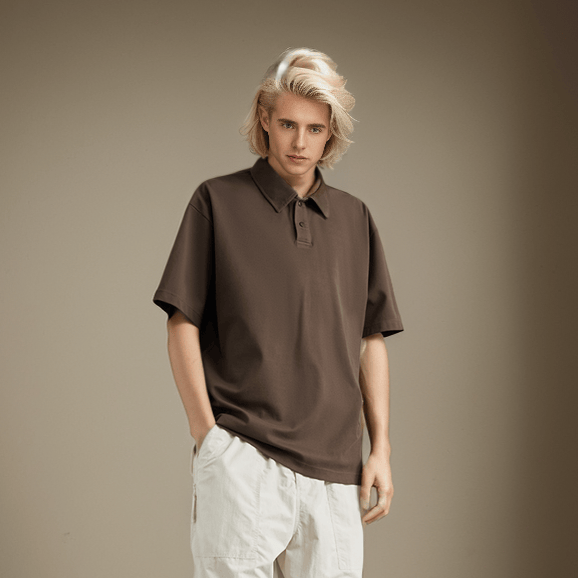
Was macht ein hochleistungsfähiges Funktions-Poloshirt aus?
-
Feuchtigkeitsableitende und atmungsaktive Stofftechnologie
-
Ergonomische Passform und Bewegungsfreiheit
-
Langlebigkeit und wartungsarmes Design
Die wichtigsten Verwendungszwecke für funktionelle Polohemden: Golf, Reisen und Uniformen
-
Golf: Leistung und geschliffener Stil auf dem Grün
-
Reisen: Leicht, vielseitig und stressfrei
-
Uniformen: Professionell, markengerecht und bequem
Wie Sie das beste funktionelle Poloshirt für Ihre Bedürfnisse auswählen
-
Priorisieren Sie die wichtigsten Leistungsmerkmale
-
Finden Sie Ihren idealen Sitz
-
Qualität und Nachhaltigkeit prüfen
Schlussfolgerung
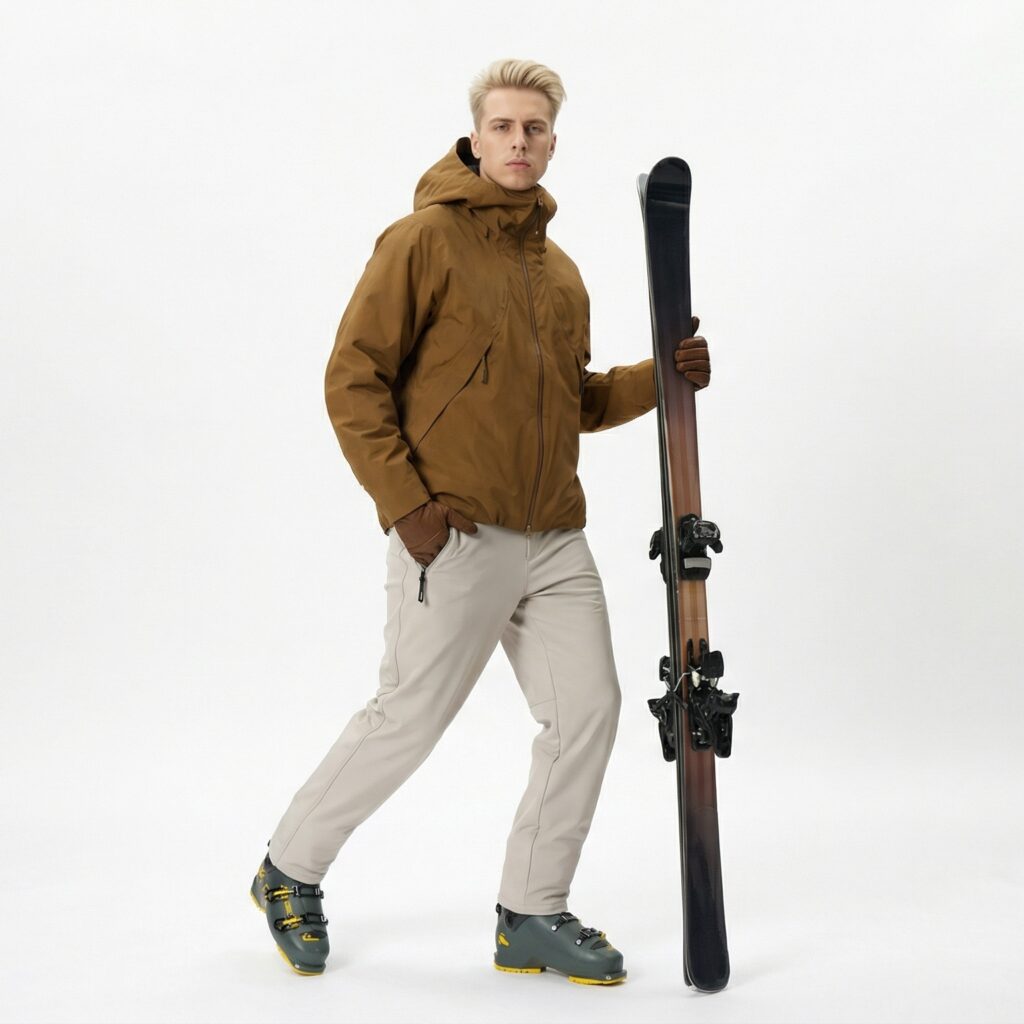
The foundation of effective windproof performance lies in the fabric’s structural architecture. Plain weave constructions create a tight interlacing pattern where warp and weft threads cross at right angles, minimizing air permeability. This basic structure typically achieves wind resistance ratings between 5-15 CFM (Cubic Feet per Minute), suitable for moderate wind conditions. Twill weave patterns, characterized by diagonal rib patterns, offer enhanced durability while maintaining wind resistance, though slightly more permeable than plain weaves at 10-20 CFM.
Ripstop weave technology represents the premium tier for windproof coats, incorporating reinforcement threads at regular intervals (typically 5-8mm spacing) that create a grid pattern. This structure prevents tear propagation while maintaining wind resistance below 8 CFM when combined with high thread counts (180-250 threads per inch). The reinforcement threads, often in contrasting denier weights (e.g., 70D base with 210D reinforcement), create visible checkered patterns that serve both functional and aesthetic purposes.
Fiber density directly correlates with wind penetration resistance. Fabrics with thread counts exceeding 200 TPI create microscopic pore sizes (typically 5-20 micrometers) that effectively block wind while allowing limited moisture vapor transmission. DWR (Durable Water Repellent) coatings applied through fluorocarbon or fluorine-free technologies add a hydrophobic surface layer that prevents water absorption, which would otherwise increase fabric weight and reduce insulation effectiveness. Modern C0 DWR formulations achieve contact angles exceeding 90 degrees, ensuring water beads off the surface while maintaining environmental compliance standards.
Material Composition and Performance Trade-offs
Polyester woven fabrics dominate the commercial windproof coat market due to superior dimensional stability and cost efficiency. High-tenacity polyester fibers (5-7 g/denier strength) resist stretching under wind load, maintaining garment shape across temperature ranges (-20°C to +40°C). The material’s low moisture absorption (<0.4% by weight) prevents performance degradation in humid conditions, making it ideal for coastal or maritime applications. However, polyester’s inherent hydrophobic nature limits breathability to 3,000-5,000 g/m²/24h MVTR unless engineered with mechanical ventilation features.
Nylon fabrics offer 15-20% higher abrasion resistance than polyester equivalents, critical for industrial workwear applications where contact with rough surfaces occurs frequently. Nylon 6,6 variants demonstrate superior elasticity (20-30% elongation at break versus 15-20% for polyester), enhancing wearer comfort during dynamic movements. The trade-off manifests in higher moisture absorption (4-4.5% by weight), requiring enhanced DWR treatments to maintain water resistance ratings above 5,000mm H₂O hydrostatic head pressure.
Cotton-blend woven fabrics (typically 60% cotton/40% polyester) address the breathability limitation inherent in pure synthetics, achieving MVTR ratings of 8,000-10,000 g/m²/24h. Natural cotton fibers create micro-channels that facilitate vapor transmission while the polyester component maintains structural integrity and reduces shrinkage to <3% after washing. These blends suit corporate uniform applications where extended wear comfort outweighs maximum wind resistance, typically achieving 15-25 CFM ratings suitable for urban environments with intermittent wind exposure.
The breathability-versus-wind resistance balance represents the fundamental engineering challenge. Fabrics engineered for <5 CFM wind resistance typically sacrifice breathability, creating moisture accumulation during high-exertion activities. Advanced solutions incorporate mechanical ventilation (underarm gussets, back vents) or laminated membranes (ePTFE, PU) that provide selective permeability—blocking wind molecules (0.0003 microns) while allowing water vapor molecules (0.0004 microns) to escape.
Technical Specifications and Performance Standards
Wind Resistance and Breathability Ratings
CFM (Cubic Feet per Minute) quantifies air permeability through fabric under standardized pressure differentials. ASTM D737 testing protocol measures airflow through a 38cm² fabric sample at 125 Pa pressure differential. Commercial-grade windproof coats typically target <10 CFM for effective wind blocking, with premium products achieving <5 CFM through ultra-tight weaves or membrane laminates. Each 5 CFM reduction correlates to approximately 2-3°C improvement in perceived warmth retention at 20 mph wind speeds.
MVTR (Moisture Vapor Transmission Rate) measures breathability through the inverted cup method (ASTM E96) or sweating guarded hotplate method (ISO 11092). Values expressed in grams per square meter per 24 hours (g/m²/24h) indicate the fabric’s capacity to transmit perspiration vapor. Minimum thresholds for active outdoor use start at 5,000 g/m²/24h, with high-performance garments exceeding 10,000 g/m²/24h through engineered fabric structures or membrane technologies.
Die RET (Resistance to Evaporative Heat Transfer) metric, measured per ISO 11092, provides an inverse breathability indicator where lower values indicate better moisture transmission. Windproof coats with RET <13 suit high-intensity activities, while RET 13-20 serve moderate activity levels. This metric proves particularly valuable when comparing laminated versus non-laminated woven constructions, as it accounts for the entire fabric system rather than the base fabric alone.
Durability and Compliance Certifications
Tear strength testing per ASTM D1424 (Elmendorf method) measures the force required to propagate a pre-cut tear, critical for assessing field durability. Commercial windproof coats should demonstrate a minimum tear strength of 2,000-3,000 grams-force for warp and weft directions. Ripstop constructions typically achieve 4,000-6,000 grams-force, providing 2-3x improvement over plain weave equivalents of similar base weight.
Abriebfestigkeit evaluated through Martindale testing (ISO 12947) simulates wear from repeated friction. Industrial-grade windproof coats require a minimum of 25,000 cycles without visible wear, while premium outdoor jackets exceed 50,000 cycles. High-denier nylon fabrics (500D-1000D) in high-wear zones (elbows, shoulders) significantly extend garment lifespan in demanding applications.
Oeko-Tex Standard 100 certification verifies the absence of harmful substances across 300+ parameters, essential for corporate uniform programs and promotional apparel where skin contact occurs. bluesign®. system certification addresses the entire textile production chain, ensuring environmental responsibility and chemical safety—increasingly mandatory for European and North American procurement contracts.
| Stoff Typ | Wind Resistance (CFM) | Breathability (g/m²/24h) | Tear Strength (N) | Water Resistance (mm H₂O) |
|---|---|---|---|---|
| Polyester Plain Weave | 8-12 | 4,000-5,000 | 25-35 | 3,000-5,000 |
| Nylon Ripstop | 3-6 | 5,000-7,000 | 50-70 | 8,000-10,000 |
| Cotton-Poly Blend | 15-20 | 8,000-10,000 | 20-30 | 1,500-3,000 |
| Membrane Laminate | 1-3 | 10,000-15,000 | 40-60 | 15,000-20,000 |
Application Scenarios and Commercial Value
Target Use Cases for Windproof Woven Coats
Outdoor recreation applications demand versatile wind protection across variable conditions. Hiking and trekking scenarios require packable designs (compression to <2L volume) with weight-to-warmth ratios below 400g for medium-sized garments. Camping applications prioritize durability (50,000+ Martindale cycles) and extended wear comfort, with MVTR ratings exceeding 8,000 g/m²/24h to manage moisture during camp setup activities. Coastal activities necessitate enhanced water resistance (>10,000mm H₂O) combined with salt-spray resistance, achievable through solution-dyed fabrics that resist UV degradation and color fading.
Industrial workwear contexts require compliance with visibility standards (ANSI/ISEA 107 for high-visibility colorways), flame resistance where applicable (NFPA 2112), and reinforced construction in high-stress zones. Wind protection becomes critical for outdoor construction, logistics, and maintenance personnel exposed to wind chill factors that reduce effective temperature by 5-10°C at 15-20 mph wind speeds. Articulated designs with 15-20% mechanical stretch ensure unrestricted movement during overhead work, ladder climbing, and equipment operation.
Corporate uniform programs leverage windproof coats for brand visibility and employee comfort in customer-facing roles (event staff, hospitality, retail). These applications prioritize aesthetic consistency through Pantone-matched custom colors, embroidered or heat-transferred branding with <5% distortion after 50 industrial wash cycles, and inclusive sizing matrices (XS-5XL with regular/tall/short variants). Wind resistance requirements typically fall in the 10-15 CFM range, balancing protection with breathability for moderate activity levels.
Promotional apparel campaigns utilize windproof coats as high-perceived-value giveaways or incentive items. Cost-per-impression calculations favor durable garments with 3-5 year functional lifespans, maximizing brand exposure duration. Packability features (integrated stuff sacks, roll-up designs) enhance distribution logistics and recipient retention rates.
Bulk Procurement Considerations for B2B Buyers
Minimum Order Quantities (MOQ) for custom-branded windproof coats typically range from 200-500 units for stock fabric/color combinations, escalating to 1,000-2,000 units for fully customized specifications (proprietary fabrics, unique colorways). MOQ structures often tier pricing: 200-499 units at $X, 500-999 at 15-20% discount, 1,000+ at 25-30% discount. Negotiating MOQ flexibility requires understanding supplier production economics—setup costs for custom dying, pattern grading, and quality control processes.
Customization options span multiple dimensions: embroidery (up to 100,000 stitches, 12-color maximum), screen printing (ideal for large logo placements, 6-color typical), heat transfer (photographic quality, limited durability), and woven labels (premium brand presentation). Each method impacts the per-unit cost by $2-8, depending on complexity and placement locations. Sizing customization beyond standard S-3XL ranges adds $5-12 per unit for pattern grading and sample development.
Lead times for windproof coat production follow predictable phases: sampling (15-20 days), bulk production (45-60 days), quality inspection (5-7 days), and international shipping (20-35 days ocean, 5-7 days air). Total procurement cycles span 85-120 days for first orders, reducing to 60-75 days for repeat orders with approved samples. Seasonal demand peaks (August-October for autumn/winter inventory) extend lead times by 15-25%, requiring planning for Q4 delivery.
Cost-per-unit analysis must account for total landed cost: FOB price + shipping (10-15% of FOB) + duties/tariffs (varies by origin country and HS code classification) + quality inspection (2-3% of order value) + warehousing/distribution. Volume discounts typically reduce per-unit costs by 30-40% between 200-unit and 2,000-unit orders, with diminishing returns beyond 5,000 units. Break-even analysis comparing offshore versus domestic production reveals crossover points around 500-800 units for standard specifications.
Design Features and Functional Elements
Construction Details Enhancing Wind Protection
Adjustable cuff systems employ hook-and-loop closures, elastic inserts, or snap-button configurations to create wind-tight seals around wrists. Effective designs allow a 3-5cm diameter adjustment range, accommodating glove wear while preventing wind infiltration through gaps. Inner cuff construction with thumb loops extends coverage 8-10cm beyond the jacket hem, eliminating the wrist gap during arm extension movements.
Storm flaps covering front zippers add 5-8cm wide fabric barriers that block wind penetration through zipper teeth gaps. Double-layer construction with snap or hook-and-loop closure creates redundant wind barriers. Premium implementations incorporate fleece or soft-shell backing on storm flap interiors, enhancing comfort against the chin and neck areas.
High collar designs extending 8-12cm above standard collar height provide neck and lower face protection in severe wind conditions. Collar stiffeners (lightweight polymer inserts) maintain shape without restricting head rotation. Chin guard padding (2-3mm foam laminate) prevents zipper pull abrasion during full-closure use.
Zipper quality directly impacts long-term wind resistance and durability. YKK #5 coil zippers represent the industry standard for lightweight windproof coats, offering 5,000+ cycle durability and smooth operation across temperature ranges. YKK Vislon® injection-molded plastic tooth zippers provide enhanced durability (8,000+ cycles) for industrial applications. Water-resistant zipper tapes with polyurethane film lamination add supplementary moisture protection without requiring bulky storm flaps.
Seam sealing techniques address the 15-20% of wind and water penetration occurring through needle holes in sewn seams. Taped seams using heat-activated polyurethane or thermoplastic tape (18-22mm width) create waterproof barriers, essential for exposed shoulder and hood seams. Welded seams (ultrasonic or thermal bonding) eliminate needle holes entirely, achieving IPX4-level water resistance in critical zones.
Ergonomic and Aesthetic Considerations
Articulated sleeve construction incorporates anatomical shaping with a 15-20 degree forward angle at the elbow joints, reducing fabric bunching during arm flexion. This design element proves critical for activities requiring extended overhead reach or steering/equipment operation. Underarm gusset panels (diamond or triangular inserts) add 20-30% range of motion improvement compared to straight-cut patterns.
Modern fit profiles balance wind protection with contemporary aesthetics. Athletic fits with 10-12cm chest ease provide streamlined silhouettes that reduce wind drag while accommodating base and mid-layer systems. Relaxed fits with 15-18cm ease suit workwear applications requiring tool belt accommodation and unrestricted movement. Adjustable hem drawcords allow 8-10cm circumference reduction, enabling fit customization without compromising sizing flexibility.
Color options extend beyond functional requirements into brand identity territory. High-visibility colorways (fluorescent yellow, orange, lime) meet safety standards while providing 24/7 brand visibility. Corporate color matching within ±2 Delta E tolerance ensures brand consistency across production runs and supplier changes. Heathered or melange fabric appearances (achieved through yarn-dyed construction) offer sophisticated aesthetics for corporate uniform programs while concealing minor soiling better than solid colors.
Packability features address logistics and end-user convenience. Self-stowing designs compress into integrated chest or hand pockets, reducing packed volume to 1.5-2.5L. Stuff sack inclusion (typically 15x20cm nylon bags) facilitates organized storage in vehicles, backpacks, or distribution cartons. Compression ratings of 3:1-4:1 (worn volume to packed volume) optimize shipping cube utilization, reducing freight costs by 25-35% compared to hanger-shipped garments.
FAQ Module
What CFM rating should I look for in a commercial-grade windproof coat?
Commercial-grade windproof coats should target CFM ratings below 10 for effective wind protection in most outdoor scenarios. For demanding applications such as exposed industrial sites, maritime environments, or high-altitude activities, specify fabrics with <5 CFM ratings. The optimal rating depends on intended use: urban corporate wear tolerates 10-15 CFM with adequate comfort, while outdoor recreation and industrial workwear benefit from <8 CFM specifications. Request ASTM D737 test reports from suppliers to verify claims, and consider that CFM ratings increase 15-25% after 20-30 wash cycles as DWR treatments degrade and fabric structure relaxes.
How do woven fabrics compare to softshell materials for wind resistance?
Tightly woven fabrics achieve superior absolute wind resistance (3-8 CFM) compared to softshell materials (12-20 CFM) due to minimal air permeability in high-thread-count constructions. However, softshells offer 40-60% better breathability (MVTR 12,000-18,000 g/m²/24h versus 5,000-8,000 for woven fabrics) and enhanced mechanical stretch (20-30% four-way stretch). The choice depends on activity intensity: woven windproof coats suit static or low-exertion scenarios where maximum wind blocking is paramount, while softshells better serve high-output activities requiring moisture management. Hybrid constructions combining woven windproof panels in high-exposure zones (chest, shoulders) with softshell panels in high-mobility areas (underarms, back) optimize both parameters.
What is the typical MOQ for custom-branded windproof coats in bulk orders?
Minimum order quantities vary by customization level: 200-300 units for stock fabrics with basic embroidery or screen printing, 500-800 units for custom color selections from standard fabric bases, and 1,000-2,000 units for fully customized specifications including proprietary fabric development or unique construction features. Asian manufacturers typically enforce stricter MOQs (1,000+ units) but offer 25-35% lower per-unit costs, while domestic or nearshore suppliers accept 200-500 unit minimums at premium pricing. Negotiate MOQ flexibility by accepting longer lead times (allowing production slot consolidation with other orders) or limiting size/color matrix complexity. Some suppliers offer “pre-production inventory” programs where 500-1,000 unit initial orders establish pricing and specifications for subsequent 200-unit replenishment orders.
Woven fabric technology forms the cornerstone of effective windproof coat performance, with structural variables—thread count, weave pattern, fiber composition, and surface treatments—directly determining wind resistance, durability, and comfort outcomes. The critical procurement insight lies in matching technical specifications to intended use cases: industrial workwear demands abrasion resistance and visibility compliance, outdoor recreation prioritizes packability and breathability balance, while corporate uniforms emphasize aesthetic consistency and extended wear comfort. B2B buyers must evaluate suppliers through comprehensive lenses encompassing fabric testing documentation (ASTM D737, ISO 11092), certification portfolios (Oeko-Tex, bluesign®), and production capabilities supporting customization requirements within acceptable MOQ and lead time parameters. The value proposition of investing in quality windproof coats manifests through reduced replacement frequency (3-5 year functional lifespan versus 1-2 years for economy alternatives), enhanced end-user satisfaction driving brand loyalty, and total cost of ownership advantages when lifecycle costs replace initial purchase price as the primary evaluation metric. Strategic procurement of windproof woven coats positions buyers to deliver reliable weather protection solutions that meet commercial performance standards while supporting organizational branding and employee welfare objectives.
Bulk jacket production sits at the intersection of design, materials science, and industrial manufacturing. At first glance, a jacket might appear to be just another garment stitched together from fabric panels. In reality, producing high-quality jackets at scale requires coordinated systems—precise cutting, structured sewing processes, consistent materials, and strict quality control.
When bulk orders are involved, the margin for inconsistency becomes extremely small. A single production run may include hundreds or thousands of units, and every piece must meet the same specifications. Minor deviations in fabric thickness, seam strength, or pattern alignment can multiply across large batches, leading to quality issues and wasted materials.
This is why a reliable custom jacket manufacturer is defined not only by its ability to sew garments but also by its capability to maintain consistency across every stage of production. From sourcing technical fabrics to managing assembly lines and ensuring stable delivery schedules, professional manufacturers rely on structured systems that support both customization and scalability.
A deeper look at these systems reveals several key factors that separate dependable manufacturers from smaller, less organized operations.
The Growing Demand for Custom Jackets in Bulk Production
Custom jackets have become increasingly common across many industries and applications. Workwear programs, outdoor gear, corporate apparel, and promotional clothing often require jackets that combine durability with specific design elements. These garments must be functional while also reflecting a particular visual identity.
Bulk customization introduces additional complexity. Unlike standard retail garments produced in fixed designs, customized jackets often require adjustments to fabric selection, structural details, or decorative elements. Each modification must still fit within a repeatable manufacturing process.
In large production environments, even small technical variations can affect efficiency. For example, a change in fabric thickness may require adjustments to sewing machine tension or needle type. Similarly, adding waterproof seam tape alters both the assembly sequence and the equipment required.
Because of these challenges, manufacturers capable of handling bulk custom jacket production typically operate with organized production systems and experienced technical teams. Their processes are designed to accommodate customization while maintaining stable output.
Reliable manufacturers, therefore, combine flexible development capabilities with disciplined production control, ensuring that each jacket produced within a batch remains consistent in both performance and appearance.
Fabric Selection Capabilities for Different Jacket Applications
The foundation of any jacket begins with fabric. Material selection determines not only the appearance of the garment but also its functionality, durability, and comfort. In bulk manufacturing, fabric consistency is particularly important because variations in texture, thickness, or coating can affect the entire production process.
Different jacket types require different textile properties. Lightweight windbreakers rely on tightly woven synthetic materials that block air while remaining breathable. Outdoor jackets often incorporate waterproof membranes or laminated fabrics that protect against moisture. Workwear jackets may require abrasion-resistant materials capable of withstanding repeated mechanical stress.
A dependable custom jacket manufacturer must therefore maintain access to a diverse network of textile suppliers. This ensures that suitable fabrics can be sourced for various performance requirements without disrupting production schedules.
Key fabric capabilities a reliable manufacturer should provide include:
-
Access to multiple textile mills capable of supplying stable bulk quantities
-
Experience working with functional fabrics such as waterproof, windproof, or insulated materials
-
Consistent fabric quality across large production runs
-
Material testing to verify durability, weight, and color stability
Fabric engineering plays an important role in this stage. Manufacturers must evaluate how materials behave during cutting and sewing, particularly when coatings or laminations are involved. Technical fabrics may require specialized needles, thread types, or seam constructions to maintain performance properties.
Maintaining reliable fabric sourcing also reduces the risk of production delays. Bulk orders require predictable material availability, and experienced manufacturers typically maintain established relationships with textile suppliers to ensure a steady supply.
Pattern Development and Technical Design Expertise
Jackets differ significantly from simpler garments such as T-shirts or basic knitwear. Their structure involves multiple panels, sleeves designed for mobility, and various internal components such as linings, insulation layers, or reinforcement patches.
Because of this complexity, accurate pattern development is essential. Patterns determine how each piece of fabric is cut and assembled, and even small inaccuracies can affect fit, comfort, and durability.
Professional manufacturers often rely on digital pattern systems that allow precise control over garment dimensions and grading. Computer-aided design tools make it possible to test structural adjustments before production begins, reducing errors and improving efficiency during bulk manufacturing.
Pattern engineering also influences how the garment performs during movement. Jackets designed for active environments must allow freedom of motion in the shoulders and arms while maintaining structural stability. This requires careful shaping of panels and accurate alignment of seams.
Experienced technical teams evaluate factors such as seam placement, fabric stretch characteristics, and ergonomic requirements. By refining patterns before large-scale production begins, manufacturers can ensure that each jacket performs consistently throughout the entire order.
Manufacturing Equipment and Production Technology
Once materials and patterns are finalized, the focus shifts to production. Modern jacket manufacturing relies heavily on specialized equipment that improves precision and efficiency across large batches.
Industrial garment factories often organize their workflow into multiple stages: cutting, sewing, finishing, and inspection. Each stage uses machinery designed to perform specific tasks with high accuracy.
Essential production technologies used in modern jacket manufacturing include:
-
Computerized cutting systems that maximize fabric utilization and ensure accurate panel shapes
-
Multi-needle sewing machines for reinforced seams and structural stitching
-
Seam sealing equipment for waterproof jackets that require taped seams
-
Automated embroidery or printing machines for decorative elements
Advanced cutting machines are particularly valuable in bulk production. These systems use digital pattern data to cut multiple layers of fabric simultaneously, ensuring identical pieces while minimizing material waste.
Similarly, specialized sewing machines improve seam durability. Jackets often experience significant stress at points such as shoulders, armholes, and pocket openings. Reinforced stitching methods help maintain structural strength during long-term use.
Manufacturers equipped with modern machinery can maintain higher production speeds without sacrificing accuracy. This balance between efficiency and quality is essential for fulfilling large custom orders on schedule.
Quality Control Systems in Bulk Jacket Production
In bulk manufacturing, quality control is the mechanism that protects consistency. Without structured inspection processes, even small defects can multiply across thousands of garments.
Professional jacket manufacturers typically implement multi-stage quality control systems. These systems monitor the product from the moment raw materials arrive at the facility until the final garments are packaged for shipment.
Material inspection is the first stage of this process. Fabrics are checked for color uniformity, weight consistency, and potential defects such as weaving irregularities or coating flaws. Early detection prevents faulty materials from entering production.
During assembly, quality inspectors evaluate stitching accuracy, seam strength, and alignment of garment panels. Because jackets involve numerous structural components, these inspections ensure that each stage of construction meets technical specifications.
Final inspections occur after the garment is fully assembled. At this stage, inspectors verify overall appearance, functional details such as zippers and pockets, and measurement accuracy according to the approved pattern.
A well-structured quality system reduces defect rates and ensures that every piece within a bulk order maintains the same standard of workmanship.
Production Capacity and Lead Time Management
Large custom orders require efficient production scheduling. Even when materials and designs are finalized, the ability to organize manufacturing operations determines whether delivery deadlines can be met.
Production capacity is influenced by several factors, including the number of sewing lines, the skill level of workers, and the efficiency of material preparation processes. Factories capable of managing large orders typically divide production into specialized teams responsible for different garment components.
Factors that influence bulk production efficiency include:
-
Number of active sewing lines operating within the facility
-
Skilled operators trained in jacket construction techniques
-
Efficient cutting and preparation departments that supply components to sewing lines
-
Coordinated packaging and logistics operations
Lead time management also depends on accurate planning. Manufacturers must coordinate fabric deliveries, cutting schedules, and assembly processes so that each stage progresses smoothly.
When production systems are well organized, factories can maintain predictable delivery schedules even for complex orders. This reliability is particularly important when jackets are needed for seasonal distribution or large organizational programs.
Small Workshop vs Professional Jacket Manufacturer
Bulk production requirements highlight the differences between small workshops and fully equipped manufacturing facilities. While smaller operations may handle limited quantities effectively, they often struggle to maintain consistent output at scale.
| Production Factor | Small Workshop | Professional Manufacturer |
|---|---|---|
| Production Capacity | Limited output | Large-scale production capability |
| Quality Consistency | Highly variable | Standardized quality control |
| Lead Time | Difficult to predict | Structured production scheduling |
| Equipment | Basic sewing machines | Advanced automated machinery |
| Inspection Process | Minimal or informal | Multi-stage inspection systems |
Professional manufacturers invest in both equipment and management systems. These investments enable them to handle large volumes while maintaining quality standards across every unit produced.
Customization Options in Bulk Jacket Production
Customization is a major advantage of working with experienced manufacturers. Even when producing large quantities, factories with flexible systems can incorporate design variations without compromising efficiency.
Customization often extends beyond basic color choices. Jackets may include unique branding elements, specialized hardware, or structural modifications that enhance functionality.
Common customization options include:
-
Embroidered logos applied directly to outer fabric panels
-
Screen printing for graphics or branding elements
-
Custom zippers, buttons, or hardware components
-
Specialized lining materials or insulation layers
Incorporating these features requires coordination between design teams and production technicians. Manufacturers must ensure that additional decorative processes integrate smoothly into the standard assembly workflow.
When handled properly, customization does not reduce production efficiency. Instead, it becomes part of the established manufacturing sequence.
Key Indicators of a Reliable Custom Jacket Manufacturer
Evaluating a manufacturer’s reliability often involves examining several operational factors. These indicators reveal how well a factory can maintain stable production and deliver consistent results.
| Capability | Warum es wichtig ist |
|---|---|
| Stable fabric sourcing | Ensures materials remain consistent across large orders |
| Advanced production equipment | Improves accuracy and efficiency during assembly |
| Skilled technical teams | Supports complex garment structures and customization |
| Structured quality control | Reduces defects and maintains uniform standards |
Factories that invest in these areas are typically better equipped to handle complex orders involving multiple design elements and large production quantities.
Producing jackets in bulk is far more complex than assembling simple garments. Each stage—from fabric sourcing to pattern development and final inspection—plays a crucial role in determining the final product’s quality and reliability.
A dependable custom jacket manufacturer combines technical knowledge with organized production systems. Reliable fabric supply, precise pattern engineering, modern equipment, and structured quality control all contribute to consistent manufacturing results.
When these elements work together, large orders can be produced efficiently while maintaining uniform standards across every garment. In the world of industrial apparel manufacturing, that balance between customization and consistency defines what truly makes a manufacturer reliable.
Outdoor apparel is not merely a matter of style; it is a carefully engineered solution designed to protect the wearer from rain, snow, wind, and other environmental challenges. A waterproof jacket must not only keep water out but also allow moisture from sweat to escape, ensuring comfort, mobility, and durability. For outdoor brands, the selection of materials, design considerations, and production processes is as critical as aesthetic appeal. Every step in manufacturing—from fabric selection to seam sealing, functional design, quality control, and environmental compliance—affects the jacket’s performance and the brand’s reputation.
A waterproof jacket company operates at the intersection of material science, engineering, and design. It transforms raw materials into garments that meet real-world demands. Unlike casual apparel, these jackets must withstand not only controlled laboratory tests but also variable weather, mechanical stress from backpacks or climbing gear, and repeated laundering. The success of a jacket often depends on subtle choices made during production planning.
The Core Purpose of a Waterproof Jacket
A high-performance waterproof jacket exists to protect the wearer while maintaining comfort. Protection encompasses more than keeping rain out; it requires maintaining internal dryness, managing sweat, and ensuring freedom of movement. Outdoor activities demand constant motion, exposure to varying temperatures, and interactions with equipment. A jacket that fails under these conditions compromises both user experience and brand credibility.
Manufacturers must understand the jacket’s intended environment. Jackets for light urban rain differ fundamentally from alpine or mountaineering jackets in material selection, layering, and construction. A top-tier waterproof jacket company designs processes that anticipate weather variability, physical stress, and wear patterns, ensuring performance across diverse conditions.
Material Selection: The Foundation of Performance
The first step in manufacturing a reliable waterproof jacket is choosing the right fabric. This choice affects waterproofing, breathability, insulation, durability, and comfort. A fabric that performs well on its own may fail if the membrane, seams, or finishing processes are not aligned with its properties.
Waterproof performance is measured using the hydrostatic head, which indicates the water pressure a fabric can endure before leakage occurs. Common benchmarks include:
-
5,000 mm: Suitable for light rain or casual urban use
-
10,000 mm: Adequate for moderate outdoor conditions
-
20,000 mm or more: High-performance applications, such as mountaineering or heavy rain exposure
Atmungsaktivität is measured through the moisture vapor transmission rate (MVTR), reflecting how efficiently sweat vapor passes through the fabric. A jacket can be waterproof but uncomfortable if sweat cannot escape, leading to internal condensation and decreased thermal efficiency. High-performance jackets balance waterproofing with breathability through careful membrane selection, layer construction, and finishing.
Layer construction is another critical factor. Fabrics may be designed as:
-
2-Layer: Outer fabric plus membrane; cost-effective and sufficient for moderate conditions.
-
2.5-Layer: Outer fabric, membrane, and printed inner layer; lighter and more breathable, ideal for active sports.
-
3-Layer: Outer fabric, membrane, and bonded lining; highest durability and waterproof protection, suited for extreme conditions.
Membrane technology determines waterproofing. PTFE membranes provide high breathability and long-lasting protection, while PU coatings offer flexibility and cost-efficiency. Hybrid coatings combine the advantages of both approaches. Manufacturers must ensure compatibility between membranes, fabrics, and finishing treatments, maintaining waterproof performance while optimizing comfort.
Fabric weight also influences jacket performance. Lightweight fabrics are ideal for summer or urban commuting, while mid- and heavy-weight fabrics provide thermal retention and durability for outdoor activities in cooler climates. Selecting the right GSM (grams per square meter) ensures the jacket meets the intended function without unnecessary bulk.
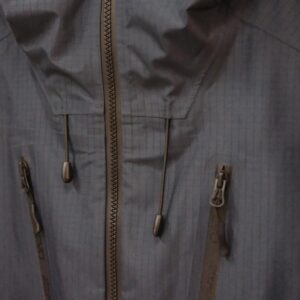
Seam Sealing and Construction
A jacket is only as strong as its seams. Even the best fabric can fail without proper construction techniques. Seam sealing prevents water from entering through needle holes, a common weak point in waterproof garments.
Seam tape quality, adhesive flexibility, width, and placement all influence waterproofing longevity. High-quality taping resists peeling during repeated washing. Heat sealing, stitch density, and needle hole control are essential to maintain both waterproof performance and garment flexibility.
Additionally, zippers, storm flaps, and hood designs must complement the waterproof system. Laminated waterproof zippers, adjustable cuffs, and drawcords prevent water ingress while ensuring usability. Every detail in construction contributes to the overall reliability of the jacket.
Key elements of seam and closure construction include:
-
Precise seam taping to cover all needle holes
-
Heat-sealed stitches for durability
-
Waterproof zipper and storm flap integration
-
Ergonomic design to maintain flexibility and comfort
Functional Design Considerations
Design is more than aesthetics—it directly affects performance. Jackets must accommodate user movement, gear, and environmental conditions. A waterproof jacket company must consider:
-
Hood structures that fit over helmets or hats
-
Adjustable cuffs, hems, and ventilation systems
-
Strategic pocket placement that does not compromise waterproofing
-
Ergonomic cutting for mobility
-
Balancing insulation with breathability for different activities
Functional design requires iterative prototyping and testing to ensure the jacket meets both performance and comfort expectations.
Waterproof vs. Water-Resistant Standards
The term “waterproof” is sometimes used loosely. A reliable waterproof jacket manufacturer verifies performance through both lab and field testing. Laboratory tests measure hydrostatic head, spray resistance, and accelerated wear to simulate long-term exposure. Field tests under real-world conditions, including mountain trails, rainstorms, and variable temperatures, confirm actual performance. This combination ensures jackets perform as advertised.
Sustainability and Environmental Responsibility
Environmental responsibility has become critical in outdoor apparel. Leading manufacturers integrate eco-conscious practices while maintaining performance.
Sustainability measures include:
-
PFC-free durable water repellent (DWR) treatments to reduce chemical impact
-
Recycled polyester and other low-impact fabrics
-
Waterless or low-water dyeing processes
-
Compliance with ISO, OEKO-TEX, and other environmental certifications
Consumers increasingly expect outdoor brands and their suppliers to prioritize sustainability. A waterproof jacket company that integrates these practices enhances both environmental and brand value.
Quality Control and Consistency
Consistent performance requires rigorous quality control. Every batch must be inspected for fabric uniformity, seam integrity, zipper function, and waterproofing. Adhesion of seam tapes, stitch strength, and wash durability are routinely tested. Tracking batches and maintaining transparent records ensures reproducibility and reduces returns or complaints.
Production Scalability and Customization
Outdoor brands often require scalable production while preserving high quality. A professional manufacturer offers OEM and private-label services, allowing customization of colors, fabrics, logos, and other features. They must balance bulk production capabilities with small-batch prototyping for new designs, enabling brands to respond rapidly to market trends.
Export Experience and Global Compliance
Manufacturers targeting international markets must navigate regulatory standards, labeling requirements, and customs procedures. Experience with export compliance ensures that jackets meet both technical and legal standards in different regions, protecting brand reputation and facilitating smooth market entry.
Innovation in Jacket Manufacturing
Innovation drives competitive advantage. Leading waterproof jacket companies invest in lightweight membranes, improved breathability, hybrid fabrics, and smart textiles. Developments include moisture-regulating linings, anti-odor treatments, and temperature-adaptive materials. Continuous innovation ensures products remain relevant and meet evolving consumer expectations.
Manufacturing a high-performance waterproof jacket is a complex integration of materials, engineering, design, and quality control. A professional waterproof jacket company considers every step—from fabric selection and seam construction to sustainability and testing—to ensure the jacket delivers reliable performance. Brands that partner with experienced, technically capable manufacturers gain jackets that meet both consumer demands and market standards, creating long-term value and trust.
The global woven clothing market looks simple on the surface. Jackets are everywhere. Coats are everywhere. Winter outerwear fills retail racks every season. But behind every structured jacket or tailored coat sits a production system that either understands woven construction deeply—or merely imitates it.
For brands, wholesalers, and distributors, choosing a custom jacket manufacturer is not just about comparing price sheets. It is about evaluating engineering capability, technical fabric control, and supply chain resilience. Woven garments are structurally different from knitted products. They hold shape. They resist stretch. They demand precision. And once you move into winter jacket manufacturing, complexity increases again: multi-layer builds, waterproof membranes, thermal padding, seam reinforcement, structural lining.
The difference between a reliable winter jacket manufacturer and an ordinary jacket factory becomes obvious only after production begins. By then, mistakes are expensive.
Woven Clothing Manufacturing Expertise
Woven clothing is built from interlaced warp and weft yarns. Unlike knit fabrics, woven materials do not stretch naturally. That stability is an advantage for structured garments such as jackets and coats, but it also increases the need for cutting precision and pattern accuracy.
A factory that claims to be a coat supplier must understand tension control during sewing. If seam tension is slightly misaligned, woven fabrics will pucker. If cutting is imprecise, alignment across panels becomes visibly inconsistent. Unlike soft knit garments, errors cannot be hidden.
Jacket construction adds additional layers of complexity. Even a simple men’s coat factory typically works with:
-
Outer shell fabric
-
Interlining for structure
-
Inner lining for comfort
-
Reinforced shoulder or collar sections
Winter jacket manufacturing goes further. Insulated padding, down filling, synthetic thermal layers, and waterproof membranes require layered engineering. Every layer must align in dimension. Every seam must withstand movement and temperature shifts.
This is why not every garment factory qualifies as a true winter jacket manufacturer. Outerwear production is a technical discipline.
Production Infrastructure: What Separates a Professional Jacket Factory
When evaluating a jacket factory, the first question is not “What is your MOQ?” The real question is “What is your internal capability?”
A professional custom jacket manufacturer typically invests in specialized equipment:
Automatic cutting machines improve accuracy and reduce fabric waste. Computer-controlled sewing systems maintain consistent stitch density. Seam sealing machines are essential for any waterproof jacket company. Down-filling machines ensure even insulation distribution. Without these systems, production relies too heavily on manual variability.
Sampling capability is equally critical. A factory that outsources pattern development cannot respond quickly to revisions. A professional jacket supplier should have in-house pattern makers and sample technicians who understand woven garment architecture. Advanced factories increasingly use 3D pattern simulation to visualize structure before physical sampling begins. That reduces trial cycles and improves fit precision.
When evaluating a jacket factory, confirm:
-
In-house pattern development team
-
Advanced cutting and seam sealing equipment
-
Multi-layer garment construction capability
-
Scalable monthly production capacity
Production capacity matters not only for large orders, but also for seasonal timing. Winter coat supplier relationships often depend on tight delivery windows. Missing a seasonal window can collapse a product launch.
Fabric Selection and Performance Engineering
Fabric defines performance. A custom jacket manufacturer that lacks fabric sourcing expertise will limit your product differentiation.
Woven outerwear fabrics vary widely in behavior. Polyester woven fabrics offer durability and moderate water resistance. Nylon woven materials provide lightweight strength and are common in technical outerwear. Cotton twill is popular for structured casual coats. Blended fabrics improve wrinkle resistance and shape retention.
When functionality is required, additional technologies enter the equation. A waterproof jacket company integrates PU coating, TPU lamination, or multi-layer membrane systems. Seam sealing becomes mandatory. Breathability ratings and hydrostatic pressure resistance must be validated.
Below is a structured overview of common woven fabric applications in jacket production.
Table 1: Common Woven Fabric Applications in Jacket and Coat Manufacturing
| Stoff Typ | Typical Use | Performance Advantage | Suitable Product Category |
|---|---|---|---|
| Polyester Woven | Winter Jackets | Durable, water-resistant | Winter jacket manufacturer |
| Nylon Woven | Waterproof Jackets | Lightweight, high-strength | Waterproof jacket company |
| Cotton Twill | Casual Coats | Breathable, structured look | Women’s coat factory |
| Gewebemischungen | Tailored Coats | Shape retention, durability | Men’s coat factory |
The key question for buyers is not just what fabrics are available, but whether the manufacturer controls sourcing. A strong coat supplier maintains stable relationships with textile mills. That reduces risk during high-demand seasons when raw material shortages occur.
Fabric knowledge also affects cost control. An experienced winter jacket manufacturer understands how to balance performance specifications with price targets without sacrificing structural integrity.
Quality Control Systems in a Winter Jacket Manufacturer
Quality control is where many suppliers quietly fail. Some factories inspect only finished garments. That is reactive, not preventive.
A structured quality system begins before cutting starts. Incoming fabric inspection checks color consistency, weight accuracy, coating uniformity, and defect rates. Inline inspection during sewing monitors seam strength and stitch density. Final inspection evaluates dimensional tolerance and finishing quality.
In winter outerwear, additional testing is required. Seam strength testing ensures durability under stress. Waterproof performance validation confirms hydrostatic resistance. Wash tests measure shrinkage behavior.
A reliable winter jacket manufacturer should implement:
-
Fabric inspection before cutting
-
Seam strength testing during production
-
Waterproof performance validation when applicable
-
Randomized final garment inspection
Factories that operate under export standards often follow AQL (Acceptable Quality Level) systems to quantify inspection tolerance. If a coat supplier cannot clearly explain its quality control framework, risk increases significantly.
Customization Capability: Beyond Basic OEM
Many factories advertise OEM services. True customization is deeper than adding a logo.
A capable custom jacket manufacturer provides structural flexibility. That includes adjustable hood designs, detachable liners, tailored insulation weight levels, custom lining fabrics, and reinforcement adjustments. Branding integration may include embroidery, heat transfer printing, woven labels, or custom hardware.
Low MOQ flexibility matters for emerging brands. A responsive jacket supplier supports sampling cycles and small-batch testing before scaling production.
Before choosing a custom jacket manufacturer, verify:
-
Low MOQ flexibility for pilot runs
-
Defined sampling turnaround time
-
Private label integration capability
-
Independent fabric sourcing network
Customization also involves communication clarity. Technical packs must translate accurately into production patterns. Misinterpretation leads to dimensional errors.
The stronger the internal technical team, the fewer production surprises occur.
Supply Chain Stability and Production Scalability
Seasonal outerwear production requires precise scheduling. A winter jacket manufacturer must align raw materials, labor allocation, and logistics timelines.
Production scalability refers to the ability to increase output without sacrificing quality. A factory operating near maximum capacity year-round may struggle to accommodate urgent orders.
Supply chain stability includes fabric procurement reliability, accessory availability (zippers, buttons, toggles), and packaging material sourcing. A waterproof jacket company often depends on specialized membrane suppliers. If those relationships are unstable, lead times become unpredictable.
Scalability also intersects with workforce training. Skilled sewing operators familiar with woven outerwear construction cannot be replaced instantly. Factories that invest in worker retention often demonstrate more consistent output.
Manufacturer Evaluation Framework
To compare suppliers systematically, decision-makers benefit from structured evaluation criteria.
Table 2: Jacket and Coat Manufacturer Evaluation Framework
| Evaluation Area | Key Indicator | Warum es wichtig ist |
|---|---|---|
| Production Capacity | Monthly output volume | Supports bulk seasonal orders |
| Technical Expertise | Seam sealing & multi-layer build | Ensures waterproof & insulated performance |
| Customization Ability | Pattern flexibility | Enables brand differentiation |
| Lead Time Management | Sample + bulk production cycle | Reduces market timing risk |
| Quality System | Defined inspection protocol | Minimizes defect rate |
Using this framework, buyers can compare a jacket factory objectively rather than relying on surface impressions.
Sustainability and Compliance in Woven Outerwear Production
Sustainability increasingly influences sourcing decisions. Many brands now require OEKO-TEX certified fabrics, recycled polyester content, or compliance with restricted substance lists.
A responsible winter coat supplier documents chemical compliance and environmental standards. Social responsibility audits also impact partnership viability, especially for brands entering European or North American markets.
Sustainable sourcing is not only ethical; it also reduces long-term regulatory risk.
Long-Term Partnership vs Short-Term Cost Advantage
Price comparisons often dominate initial discussions. Yet short-term savings can lead to long-term instability.
Factories that aggressively underquote may cut corners in fabric grade, seam reinforcement, or insulation weight. The cost difference becomes visible after consumer use, not during initial inspection.
Strong partnerships emerge from transparency. A reliable custom jacket manufacturer explains cost breakdowns clearly and collaborates on value engineering without reducing performance standards.
When finalizing a jacket supplier, confirm:
-
Certified production and compliance standards
-
Proven export experience
-
Transparent pricing structure
-
Ability to scale for long-term growth
This is not merely vendor selection. It is a supply chain strategy.
Why Woven Jacket Manufacturing Demands Technical Discipline
Woven garments are unforgiving. They do not stretch to hide errors. They reveal cutting inaccuracies. They magnify seam tension problems. Add winter insulation layers and waterproof membranes, and the engineering complexity multiplies.
A professional winter jacket manufacturer operates more like a technical production partner than a simple garment assembler. Infrastructure, pattern expertise, quality systems, and supply chain stability all converge.
The global outerwear market will continue expanding, especially in performance and lifestyle segments. Brands that secure reliable manufacturing partnerships position themselves to innovate confidently.
Choosing a custom jacket manufacturer carefully is not a procurement formality. It is a structural decision that affects product quality, brand reputation, and long-term scalability.
Woven clothing rewards precision. The right manufacturing partner ensures that precision becomes consistent, repeatable, and scalable.
And in the world of structured jackets and winter coats, consistency is everything.
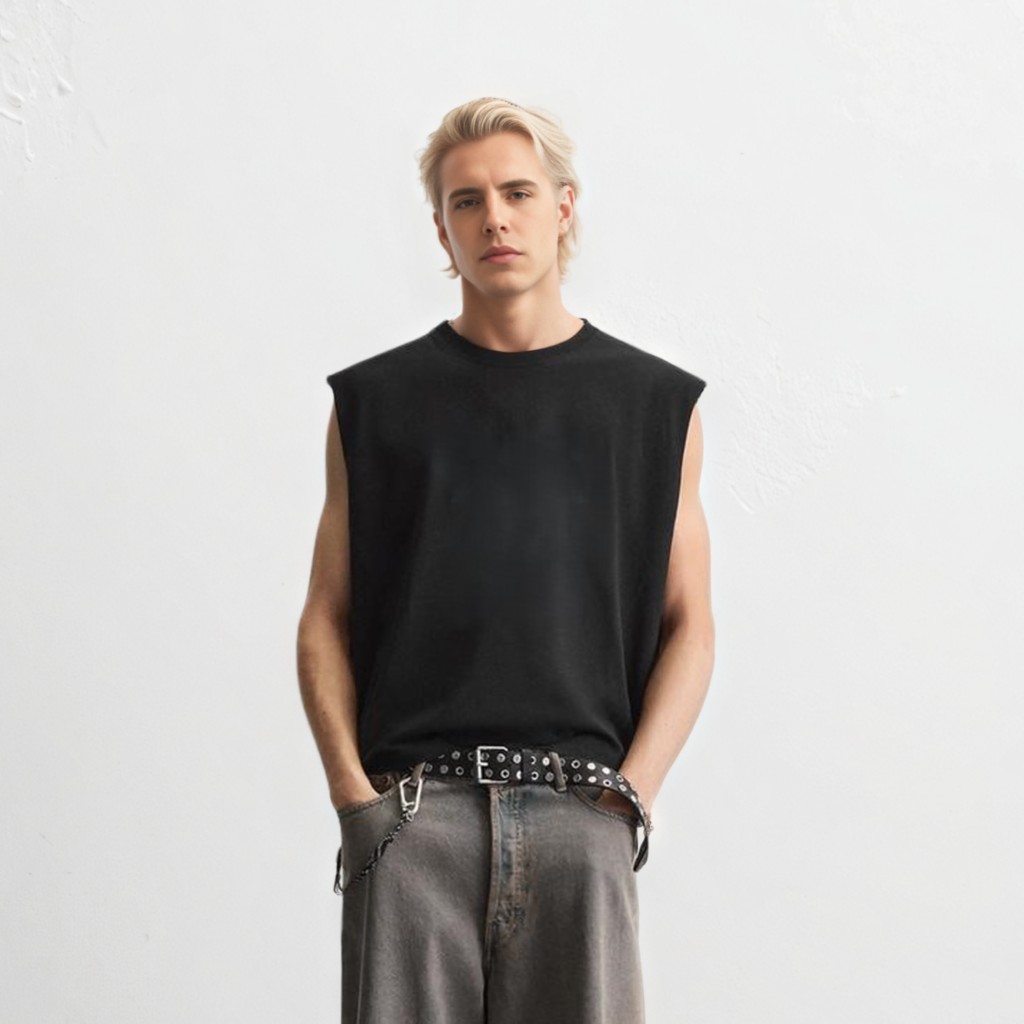
Choosing the best T-shirt for working out is often underestimated. Many people assume that any lightweight or casual T-shirt will work as long as it feels comfortable at first. In reality, workout performance, comfort, hygiene, and even recovery can be directly affected by what you wear on your upper body.
A workout T-shirt is not just clothing. It is a functional layer that interacts with sweat, heat, friction, movement, and repeated washing cycles. The wrong fabric or construction can lead to overheating, skin irritation, odor buildup, and restricted motion. The right one can help regulate body temperature, keep skin dry, and maintain comfort throughout long or intense training sessions.
Why Regular T-Shirts Often Fail During Workouts
At first glance, a standard cotton T-shirt may seem comfortable. It is soft, breathable when dry, and familiar. However, once physical activity begins, its limitations quickly become apparent.
Cotton absorbs moisture rather than moving it away from the skin. During a workout, sweat accumulates, making the fabric heavy and clingy. This reduces airflow, slows evaporation, and traps heat. As a result, body temperature rises and discomfort increases, especially during longer sessions.
Another issue is friction. Wet cotton tends to stick and fold, increasing the likelihood of chafing around the chest, underarms, and shoulders. Over time, repeated workouts in unsuitable T-shirts can cause skin irritation and even minor injuries.
These problems highlight an important principle: the best T-shirt for working out must manage moisture, heat, and movement—not just feel soft when dry.
What Fabric Properties Matter Most in a Workout T-Shirt
Understanding fabric performance is the foundation of choosing the best workout T-shirt. Rather than focusing on labels alone, it is more useful to look at how a fabric behaves under physical stress.
Breathability and Airflow
Breathability refers to how easily air can pass through the fabric. During exercise, airflow helps remove heat and accelerates sweat evaporation. Fabrics with open knit structures or engineered ventilation zones allow heat to escape more efficiently.
A breathable workout T-shirt supports thermal regulation, especially during high-intensity or endurance training. Without sufficient airflow, even moisture-wicking fabrics can feel hot and uncomfortable.
Moisture-Wicking vs. Absorbent Fabrics
Moisture-wicking fabrics actively draw sweat away from the skin and spread it across the surface, where it can evaporate faster. This keeps the skin drier and reduces the sensation of dampness.
Absorbent fabrics, such as cotton, hold moisture inside the fibers. This slows evaporation and increases fabric weight. For workouts, moisture-wicking behavior is a defining characteristic of the best T-shirt for working out.
Drying Speed and Thermal Regulation
Fast-drying fabrics help maintain comfort throughout a workout and between sessions. Quick evaporation prevents excessive cooling during rest periods and reduces post-workout chill.
Thermal regulation is not just about staying cool. In cooler environments, a well-designed workout T-shirt helps stabilize body temperature by balancing heat retention and release.
Performance Metrics That Define the Best T-Shirt for Working Out
Beyond general fabric descriptions, performance can be evaluated through several practical metrics that directly impact training comfort and usability.
Moisture transfer efficiency determines how quickly sweat moves from the skin to the outer surface of the fabric. Higher efficiency means less skin contact with moisture.
Air permeability affects how well heat dissipates during movement. Fabrics designed for training often optimize airflow without sacrificing structural integrity.
Drying time influences hygiene and convenience. A fast-drying workout T-shirt is less likely to develop odor and can be reused sooner after washing.
Dimensional stability ensures that the T-shirt maintains its shape after repeated washing and stretching. The best workout T-shirts retain fit and structure over time.
Together, these metrics define performance more accurately than marketing terms alone.
Which T-Shirt Fabrics Are Best for Working Out
Different fabrics offer different advantages. No single material is perfect for every workout, but understanding their strengths and limitations makes selection easier.
Cotton
Cotton is soft and breathable when dry, but it absorbs sweat and dries slowly. During workouts, it becomes heavy and clings to the skin. For light activity or casual wear, cotton may be acceptable, but it rarely qualifies as the best T-shirt for working out.
Polyester
Polyester is widely used in workout apparel due to its moisture-wicking and quick-drying properties. It does not absorb sweat, allowing moisture to evaporate efficiently. Polyester fabrics are lightweight, durable, and maintain shape well after repeated washing.
For most training scenarios, polyester-based T-shirts provide a strong balance of performance and durability.
Gewebemischungen
Fabric blends, such as polyester-cotton or polyester-spandex, combine comfort with performance. Adding elastane improves stretch and freedom of movement, while cotton can enhance softness.
High-quality blends are often used in premium workout T-shirts because they balance moisture control, flexibility, and comfort.
Merinowolle
Merino wool is naturally moisture-regulating and odor-resistant. Unlike traditional wool, merino fibers are fine and comfortable against the skin. It performs well across temperature ranges and resists odor buildup during extended wear.
Merino wool workout T-shirts are especially suitable for endurance training and multi-day use, though they tend to be more expensive.
Fabric Performance Comparison Table
| Stoff Typ | Moisture Wicking | Drying Speed | Atmungsaktivität | Odor Control | Dauerhaftigkeit |
|---|---|---|---|---|---|
| Cotton | Low | Slow | Medium | Low | Medium |
| Polyester | Hoch | Fast | Hoch | Medium | Hoch |
| Polyester Blend | Hoch | Fast | Hoch | Medium–High | Hoch |
| Merinowolle | Medium–High | Medium | Hoch | Hoch | Medium |
This comparison highlights why synthetic and blended fabrics dominate modern workout apparel and why fabric choice directly impacts long-term performance.
How Workout Type Influences the Best T-Shirt Choice
The best T-shirt for working out depends on how the body moves and how much heat and sweat are generated.
Strength training often involves short bursts of effort with rest intervals. A fitted, stretch-enhanced T-shirt that allows unrestricted movement is ideal.
Cardio and endurance training require excellent moisture management and breathability. Lightweight, quick-drying fabrics help maintain comfort over longer durations.
High-intensity interval training generates rapid heat buildup. Ventilated panels and high air permeability become especially important.
Yoga and mobility-focused workouts prioritize flexibility and softness. Stretch and smooth seams reduce friction during extended poses.
Why Design Matters as Much as Fabric
Fabric alone does not determine performance. Fit and construction significantly affect how a workout T-shirt behaves during movement.
A well-designed athletic fit follows the body’s contours without restricting motion. Excessively loose shirts trap heat, while overly tight ones limit airflow.
Flatlock seams reduce friction and prevent chafing. Reinforced stitching improves durability, especially around shoulders and underarms.
Sleeve length and shoulder construction influence range of motion. The best workout T-shirts accommodate dynamic movement without pulling or bunching.
Common Myths About Workout T-Shirts
One common myth is that thicker fabrics are more durable. In reality, lightweight technical fabrics can outperform heavier materials due to advanced fiber engineering.
Another misconception is that odor resistance comes from fragrance treatments. True odor control depends on moisture management and antimicrobial properties, not masking scents.
Price alone does not define quality. While premium materials cost more, performance depends on design and material suitability, not branding.
How to Choose the Best Workout T-Shirt for Long-Term Use
Selecting a workout T-shirt should consider not only immediate comfort but also long-term performance.
Durability is essential. Frequent washing and high movement stress demand fabrics that resist pilling, stretching, and fading.
Longevity and Maintenance Considerations
Easy maintenance extends garment life. Fast-drying fabrics reduce drying time and discourage bacterial growth. Shape retention ensures a consistent fit over months of use.
Odor management becomes increasingly important with repeated wear. Fabrics that dry quickly and resist moisture buildup remain fresher longer.
From a cost perspective, investing in a durable, performance-focused T-shirt often proves more economical than frequently replacing lower-quality options.
Defining the Best T-Shirt for Working Out
The best T-shirt for working out is not defined by trends or logos. It is defined by how effectively it manages sweat, heat, movement, and durability under real training conditions.
By understanding fabric behavior, construction quality, and workout-specific needs, it becomes easier to choose a T-shirt that enhances comfort and performance rather than limiting it.
A well-chosen workout T-shirt supports training consistency, reduces discomfort, and contributes to better overall workout experiences—making it a small but meaningful part of long-term fitness success.

T-Shirts sind im Alltag weit verbreitet, aber nur wenige andere Kleidungsstücke sind technisch so ausgefeilt wie T-Shirts. Abgesehen von der Auswahl des Stoffes und dem Zuschnitt haben die letzten Schritte des Herstellungsprozesses einen erheblichen Einfluss auf das Gefühl, das Aussehen und die Leistung eines T-Shirts im Laufe der Zeit. Eines dieser Verfahren ist die Enzymwäsche, die von vielen Marken der gehobenen Freizeitmode stillschweigend übernommen wurde.
Eine T-Shirt auf Enzymbasis das gewaschen wird, hat ein einfaches, funktionelles Design. Es ist das Ergebnis einer kontrollierten Textilbehandlung, die die Weichheit erhöht, die Oberflächenfussel verringert und die Textur des Gewebes auf eine Weise verbessert, die sich natürlicher anfühlt als hergestellt. Für die Verbraucher bedeutet dies ein Gefühl von Komfort, das den Tragekomfort beim ersten Gebrauch erhöht. Für Unternehmen ist es ein Gleichgewicht zwischen Funktionalität, Ästhetik und Nachhaltigkeit.
Die Rolle der Stoffveredelung in der modernen Bekleidungsindustrie
Bei der Herstellung von Kleidungsstücken wird der Prozess der Konfektionierung als Konfektionierung bezeichnet. Dies ist der Prozess, bei dem Rohmaterial in tragbare Kleidung umgewandelt wird. Bevor die Arbeit abgeschlossen ist, fühlen sich viele Baumwoll- oder baumwollbasierte Textilien steif an, sind uneben oder haben eine leichte Scheuerwirkung. Diese Eigenschaften können durch wiederholtes Waschen abgeschwächt werden, aber ungewollte Abnutzung führt oft zu Pilling, Verformung oder Ausbleichen.
Das heutige Bekleidungsdesign trägt diesen Bedenken Rechnung, bevor das Kleidungsstück an den Verbraucher abgegeben wird. Andere Veredelungsmethoden, wie das Waschen mit Enzymen, versuchen, die positiven Effekte des Langzeitgebrauchs ohne die negativen Nebenwirkungen nachzuahmen. Anstatt den Stoff durch Zeit und Reibung zu veredeln, geschieht dies in einer kontrollierten Umgebung.
Dieser Ansatz ist symptomatisch für einen größeren Wandel in den Erwartungen der Bekleidungsindustrie. Die Verbraucher glauben nicht mehr, dass Komfort durch wiederholtes Waschen erreicht werden kann. Sie verlangen, dass sich die Kleidungsstücke wie getragen anfühlen, Luft zum Atmen haben und vom ersten Gebrauch an im Gleichgewicht sind. Die Enzymreinigung geht direkt auf diese Überzeugung ein, indem sie das Verhalten des Gewebes auf mikroskopischer Ebene verbessert.
Was das Waschen mit Enzymen tatsächlich mit einem T-Shirt macht
Enzymwaschen ist ein chemisches Verfahren, bei dem natürliche Enzyme, vor allem Cellulase-Enzyme, eingesetzt werden, um die Oberfläche des Gewebes zu verändern. Diese Enzyme bauen bevorzugt lose oder abstehende Zellulosefasern ab, ohne den Kern des Gewebes negativ zu beeinflussen.
Bei unbehandelten Baumwollgeweben liegen die mikroskopisch kleinen Faserenden an der Oberfläche des Gewebes noch frei. Diese Fasern verursachen Rauheit, ein stumpfes Aussehen und schließlich Pilling. Während des Waschvorgangs werden diese losen Fasern mit Hilfe von Enzymen gezielt entfernt, wodurch die Oberfläche des Gewebes geglättet wird.
Das Ergebnis ist ein T-Shirt, das wesentlich bequemer ist, hygienischer aussieht und natürlicher fällt. Im Gegensatz zu mechanischen Verfahren, bei denen Chemikalien eingesetzt werden, um einen präzisen Abrieb zu erzeugen, basiert das Enzymwaschen auf chemischer Präzision und nicht auf physischer Kraft. Dadurch bleibt die Festigkeit des Gewebes erhalten und der Griff wird verbessert.
Wichtig ist, dass das Enzymwaschen das Gewebe nicht überdeckt oder es künstlich einzigartig macht. Das Verfahren verstärkt das, was bereits vorhanden ist, weshalb enzymatisch gewaschene Kleidung in der Regel gleichmäßig altert und nicht sprunghaft abbaut.
Wie sich enzymgewaschene T-Shirts beim täglichen Tragen anders anfühlen
Der offensichtlichste Unterschied zwischen einem mit Enzymen gewaschenen T-Shirt und einem normalen Hemd ist der Griff des letzteren. Der Stoff fühlt sich auf der Haut weicher an, er hat weniger Reibung und weniger Steifigkeit. Diese Weichheit ist nicht auf der Oberfläche sichtbar, sondern entsteht durch die Beseitigung von Oberflächenfehlern und nicht durch den Zusatz von Weichmachern, die sich mit der Zeit abnutzen.
Auch die Atmungsaktivität wird verbessert. Durch die Entfernung der überschüssigen Fasern von der Gewebeoberfläche kann sich die Luft freier zwischen den Garnen des Gewebes bewegen. Dies führt dazu, dass T-Shirts mit Enzymen in feuchten Umgebungen oder bei längerem Tragen besonders vorteilhaft sind.
Schließlich behalten diese Hemden im Vergleich zu anderen Behandlungen ihre Haptik besser bei. Da die Pillingbildung an der Quelle verringert wird, wirkt der Stoff nicht mehr verblasst, was oft dazu führt, dass T-Shirts vorzeitig abgenutzt aussehen. Diese Beständigkeit ist ein Grund, warum die Enzymwäsche in hochwertigen Freizeit- und Basiskollektionen beliebt ist.
Waschen mit Enzymen im Vergleich zu anderen Textilbehandlungen
Um den Wert des Enzymwaschens zu verstehen, ist es hilfreich zu sehen, wie es sich von anderen üblichen Stoffbehandlungen bei der T-Shirt-Herstellung unterscheidet.
| Art der Behandlung | Primärer Zweck | Wirkung auf das Gewebe | Langfristiges Ergebnis |
|---|---|---|---|
| Enzymwäsche | Faserveredelung | Glättet die Oberfläche, reduziert Fusseln | Weicher Griff, geringe Pillingbildung |
| Erweichung des Silikons | Vorübergehende Weichheit | Mäntel Fasern | Anfangs weich, verblasst mit der Zeit |
| Steine waschen | Distressed-Look | Mechanischer Abrieb | Geschwächte Fasern |
| Waschen mit Säure | Visueller Kontrast | Harte chemische Behandlung | Verkürzte Lebensdauer |
| Waschen von Kleidungsstücken | Kontrolle der Schrumpfung | Mildes mechanisches Verhalten | Begrenzte Veränderung der Textur |
Im Gegensatz zu Behandlungen, die nur der Optik dienen, steht bei der Enzymwäsche die Unversehrtheit des Gewebes im Vordergrund. Sie verbessert das Handgefühl, ohne die Strapazierfähigkeit zu beeinträchtigen, und eignet sich daher für Alltagskleidung, die wiederholt getragen und gewaschen wird.
Warum mit Enzymen gewaschene T-Shirts mit der Zeit besser altern
Einer der weniger offensichtlichen Vorteile von enzymgewaschenen T-Shirts zeigt sich erst nach Monaten des Gebrauchs. Da die Oberflächenfasern während der Produktion kontrolliert entfernt werden, gibt es weniger lose Fasern, die später Pillen bilden können.
Das bedeutet, dass der Stoff auch nach wiederholtem Waschen ein saubereres Aussehen behält. Auch die Farben erscheinen oft gleichmäßiger, da überschüssige Fasern, die das Licht streuen, reduziert werden. Das T-Shirt sieht länger neu aus, auch wenn der Träger nicht besonders sorgfältig mit der Waschroutine umgeht.
Auch das Schrumpfungsverhalten ist besser vorhersehbar. Das Waschen mit Enzymen erfolgt häufig nach der anfänglichen Stabilisierung des Gewebes, was dazu beiträgt, Maßänderungen zu kontrollieren. Infolgedessen neigen enzymgewaschene T-Shirts im Vergleich zu unbehandelten Baumwollhemden weniger dazu, sich zu verdrehen, zu verziehen oder ihre Form zu verlieren.
Umweltaspekte der Enzymwäsche
Unter dem Gesichtspunkt der Nachhaltigkeit bietet das Waschen mit Enzymen mehrere Vorteile gegenüber herkömmlichen mechanischen oder chemischen Behandlungen. Enzyme sind biologisch abbaubar und arbeiten unter relativ milden Bedingungen, so dass weniger Energie und weniger scharfe Chemikalien benötigt werden.
Da das Verfahren effizient ist, kann es den Bedarf an wiederholtem Waschen durch den Verbraucher verringern, um Weichheit zu erreichen. Dies senkt indirekt den Wasser- und Energieverbrauch während der gesamten Lebensdauer des Kleidungsstücks.
Viele Hersteller entscheiden sich für das Enzymwaschen, um die Umweltbelastung zu verringern, ohne die Produktqualität zu beeinträchtigen. Wenn sie verantwortungsvoll durchgeführt wird, entspricht sie den modernen Erwartungen an eine nachhaltige Bekleidungsproduktion.
Wo Enzym gewaschene T-Shirts in moderne Kleiderschränke passen
Enzymgewaschene T-Shirts sind am häufigsten in hochwertigen Basics, Lifestyle-Bekleidung und Freizeitkollektionen zu finden, bei denen Komfort und Langlebigkeit wichtig sind. Besonders beliebt sind sie in minimalistischen Kleiderschränken, wo die Kleidungsstücke häufig getragen werden und eine gleichbleibende Leistung erwarten.
Diese T-Shirts eignen sich sowohl als Einzelstücke als auch als Layering-Elemente. Dank ihrer raffinierten Oberfläche lassen sie sich gut mit strukturierter Oberbekleidung kombinieren, während ihre Weichheit für einen hohen Tragekomfort sorgt, wenn sie allein getragen werden.
Für Marken bietet die Enzymwäsche eine Möglichkeit, ein einfaches Kleidungsstück aufzuwerten, ohne seine grundlegende Identität zu verändern. Das T-Shirt bleibt einfach, aber das Trageerlebnis wird spürbar verbessert.
Häufige Missverständnisse über enzymgewaschene Kleidungsstücke
Trotz ihrer Vorteile wird das Waschen mit Enzymen manchmal missverstanden. Ein weit verbreitetes Missverständnis ist, dass enzymgewaschene Textilien schwächer sind. In Wirklichkeit werden bei diesem Verfahren nur die losen Oberflächenfasern angegriffen, während das Strukturgarn intakt bleibt.
Ein weiteres Missverständnis besteht darin, dass die Enzymwäsche rein kosmetisch ist. Es gibt zwar optische Verbesserungen, aber die wichtigsten Veränderungen sind taktiler und funktioneller Natur. Komfort, Atmungsaktivität und langfristiges Aussehen werden direkt beeinflusst.
Manche Verbraucher gehen auch davon aus, dass mit Enzymen gewaschene T-Shirts eine besondere Pflege benötigen. In der Praxis können sie wie jedes andere hochwertige Baumwollkleidungsstück gewaschen und getragen werden, oft mit besseren Ergebnissen im Laufe der Zeit.
Die Wahl eines enzymgewaschenen T-Shirts: Worauf Sie achten sollten
Bei der Auswahl eines enzymgewaschenen T-Shirts kommt es auf die Stoffzusammensetzung an. Reine Baumwolle und baumwollreiche Mischungen sprechen besonders gut auf eine Enzymbehandlung an. Die Qualität des Grundgewebes spielt ebenfalls eine Rolle; eine Enzymwäsche verbessert gute Materialien, kann aber eine schlechte Garnqualität nicht ausgleichen.
Konstruktionsdetails wie Nähte, Nahtausrichtung und Stoffgewicht beeinflussen ebenfalls die Gesamtleistung. Enzymwaschen verbessert die Haptik und das Aussehen, aber das Kleidungsstück muss trotzdem gut verarbeitet sein, um einen langfristigen Wert zu bieten.
Letztlich sind die besten enzymgewaschenen T-Shirts diejenigen, bei denen sich die Behandlung integriert anfühlt und nicht aufgesetzt wirkt. Die Weichheit sollte sich natürlich und nicht übermäßig glatt anfühlen, und der Stoff sollte seinen Charakter behalten und sich nicht künstlich bearbeitet anfühlen.
Warum mit Enzymen gewaschene T-Shirts ein durchdachtes Upgrade darstellen
Ein mit Enzymen gewaschenes T-Shirt stellt eher eine stille Verfeinerung als eine dramatische Veränderung dar. Es nimmt ein vertrautes Kleidungsstück und verbessert die Aspekte, auf die es beim täglichen Tragen am meisten ankommt: Komfort, Strapazierfähigkeit und dauerhaftes Aussehen.
Statt auf trendiges Design oder Oberflächendekoration zu setzen, wertet die Enzymwäsche den Stoff selbst auf. Das macht sie besonders attraktiv in einer Zeit, in der Verbraucher Wert auf Langlebigkeit, Nachhaltigkeit und subtile Qualitätssignale legen.
Bei der Wahl eines mit Enzymen gewaschenen T-Shirts geht es weniger darum, einem Etikett zu folgen, sondern vielmehr darum, zu erkennen, wie eine durchdachte Verarbeitung alltägliche Kleidung aufwerten kann. Es ist ein Beispiel dafür, wie kleine technische Entscheidungen in der Textilproduktion einen nachhaltigen Einfluss darauf haben können, wie sich Kleidungsstücke im wirklichen Leben anfühlen und funktionieren.
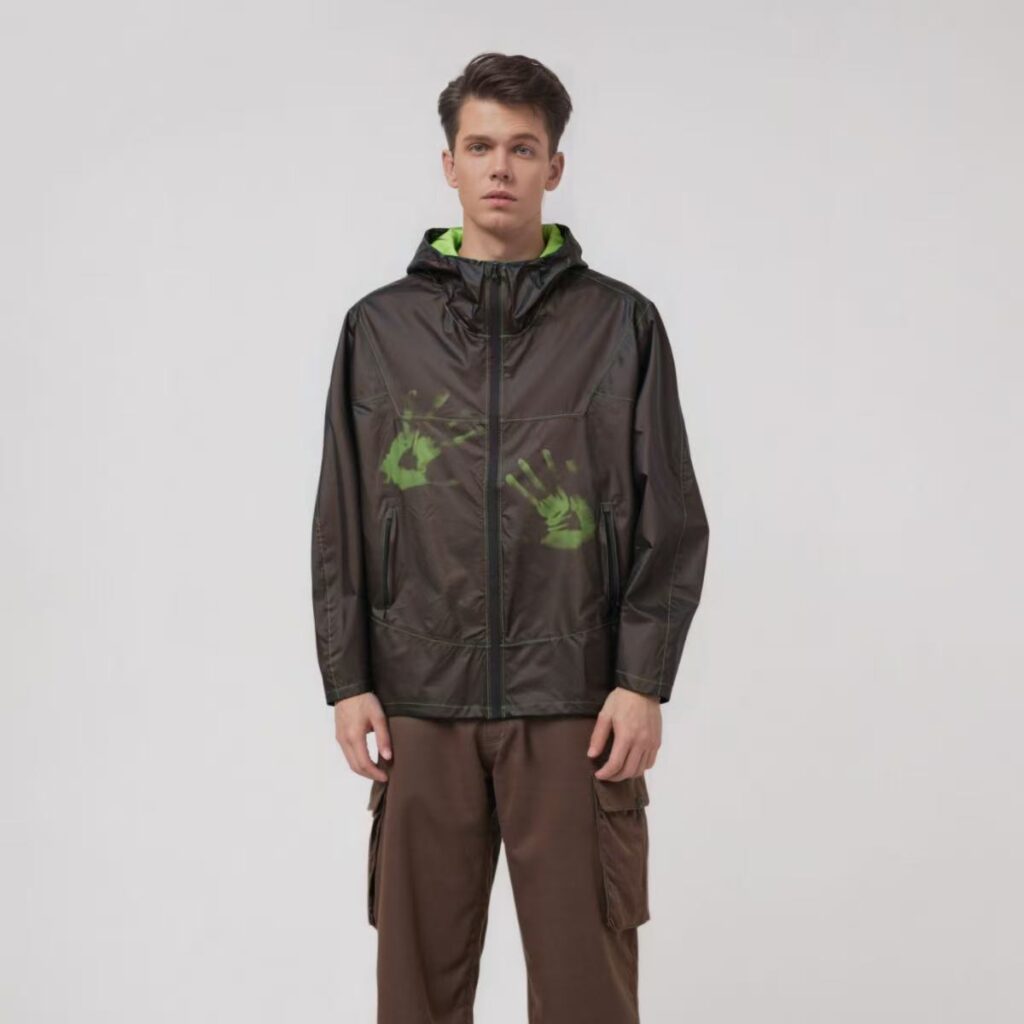
Eine Jacke, deren Farbe sich mit der Temperatur ändert, klingt schon nach einem Design-Experiment. Wenn man dann noch die Wasserdichtigkeit hinzufügt, vermuten viele Menschen instinktiv, dass etwas nachgeben muss. Entweder opfert die Jacke den Schutz für den visuellen Effekt, oder die farbwechselnde Funktion ist nichts weiter als ein oberflächlicher Trick, der mit dem Gebrauch verblasst.
In Wirklichkeit ist die moderne wasserdichte thermochromatische Jacken funktionieren genau deshalb, weil diese beiden Funktionen nicht im Widerspruch zueinander stehen. Sie sind so konzipiert, dass sie parallel zueinander existieren, wobei jede in ihrer eigenen Schicht und zu ihrem eigenen Zweck funktioniert. Um zu verstehen, warum der Regen ausbleibt, während die Farben sich weiter verändern, hilft es, über die Marketingbegriffe hinauszugehen und zu sehen, wie diese Jacken tatsächlich gebaut und verwendet werden.
Dies ist keine Geschichte über eine Neuheit. Es ist eine Geschichte über Materialien, Struktur und Designentscheidungen, die es ermöglichen, dass wasserdichte Leistung und thermochromes Verhalten in einem einzigen tragbaren System nebeneinander bestehen können.
Wenn Wasserabdichtung und Farbwechsel im Widerspruch zu stehen scheinen
Auf den ersten Blick scheinen Wasserdichtigkeit und thermochromes Verhalten miteinander in Konflikt zu stehen. Wasserdichte Gewebe, die mit undurchlässigen Oberflächen, dichten Beschichtungen und barriereartigem Design in Verbindung gebracht werden, werden oft als wasserdicht bezeichnet. Im Gegensatz dazu wird bei thermochromen Stoffen die Empfindlichkeit als einziges Kriterium herangezogen: die Fähigkeit von Pigmenten oder Materialien, gezielt auf Temperaturänderungen zu reagieren.
Aus der Sicht des Benutzers ist die Sorge offensichtlich. Wenn ein Mantel nicht in der Lage ist, Niederschlag, Wind und Flecken abzuhalten, wie kann er dann immer noch Temperaturveränderungen so genau wahrnehmen, dass es zu einer wahrnehmbaren Farbveränderung kommt? Sollte eine Beschichtung, die den Schutz fördert, nicht auch Auswirkungen auf diese Reaktionsfähigkeit haben?
Diese Annahme ergibt sich aus einem einfachen Verständnis der Funktion von Howackets. Viele Menschen glauben, dass ein Stoff aus einer einzigen Schicht besteht, die alle Funktionen auf einmal erfüllt. In Wirklichkeit besteht moderne Oberbekleidung aus einer Reihe von Komponenten. Jede Schicht hat einen bestimmten Zweck, und jede Funktion ist speziell für eine bestimmte Aufgabe innerhalb des Systems vorgesehen.
Wenn man diese Logik verstanden hat, löst sich der scheinbare Widerspruch zwischen Abdichtung und thermochromer Technologie auf.
Wie wasserdichte Jacken tatsächlich Wasser abhalten
Die Wasserdichtigkeit der Leistung ergibt sich nicht aus der einfachen mechanischen Verriegelung. In diesem Fall würde das Tragen einer wasserdichten Jacke dem Tragen einer Plastikfolie ähneln: unbequem, steif und unwirksam. Stattdessen verwenden wasserdichte Jacken, die effektiv sind, Membranen oder Beschichtungen, die das Eindringen von Wasser verhindern und gleichzeitig Flexibilität und Haltbarkeit gewährleisten.
Bei vielen modernen Projekten wird eine Hochleistungs-Polyurethan-Beschichtung verwendet, um das Gewebe vor äußerer Feuchtigkeit zu schützen. Diese Beschichtung ist resistent gegen Regen, Wind und alltägliche Abnutzung, ohne die Form des Gewebes zu verändern. Die Wirksamkeit der Beschichtung beruht auf der Schaffung einer kontinuierlichen Barriere, die Wassertropfen unter normalen Bedingungen nicht durchdringen können; diese Barriere ist langlebig.
Wichtig ist, dass diese Barriere so konzipiert ist, dass sie an der richtigen Stelle sitzt. Sie muss die visuelle oder thermische Reaktion nicht beeinträchtigen, da diese Funktionen nicht vom Wasserdurchgang durch das Gewebe abhängig sind. Sie benötigen die Temperatur, um die thermochromen Komponenten zu erreichen, was geschehen kann, wenn die Oberfläche noch trocken ist.
Um zu klären, wie ein wasserdichter Schutz erreicht wird, ohne die Trageeigenschaften zu beeinträchtigen, ist es hilfreich, sich die Grundprinzipien zu vergegenwärtigen:
-
Wasserbeständigkeit kommt von Beschichtungen oder Membranen, nicht von der Gewebedicke
-
Flexibilität und Weichheit bleiben durch kontrollierten Beschichtungsauftrag erhalten
-
Die Abdichtung zielt auf das Eindringen von Flüssigkeiten ab, nicht auf die Wärmeübertragung
Diese Unterscheidung ist wichtig. Wasser zu blockieren bedeutet nicht, die Temperatur zu blockieren.
Wo die Thermochromie-Funktion in der Jacke vorhanden ist
Die Thermochromie-Technologie funktioniert nicht wie ein mechanischer Schalter. Es handelt sich um eine Materialreaktion. Spezielle Pigmente oder Verbindungen verändern ihre molekulare Struktur, wenn sie bestimmten Temperaturbereichen ausgesetzt werden, wodurch sich die Art und Weise, wie sie Licht reflektieren, ändert. Diese Veränderung wird vom menschlichen Auge als Farbveränderung wahrgenommen.
Entscheidend ist, dass diese Reaktion keinen direkten Kontakt mit Luft oder Feuchtigkeit erfordert. Sie erfordert die Einwirkung von Temperaturschwankungen. Die Wärme des Körpers, die Abkühlung durch die Umgebung oder Veränderungen der Umgebungsbedingungen reichen aus, um den Effekt auszulösen.
Bei einer wasserdichten thermochromen Jacke ist die Farbwechselfunktion in den Oberstoff oder die Designschicht integriert, während der wasserdichte Schutz durch eine separate Beschichtung oder Funktionsschicht gewährleistet wird. Diese Elemente sind so konzipiert, dass sie zusammenarbeiten und sich nicht unnötig überschneiden.
Thermochrome Elemente werden üblicherweise an folgenden Stellen angebracht:
-
Integration in das Farbstoff- oder Pigmentierungssystem des Oberstoffs
-
Kontrollierte Anwendung auf Gewebeoberflächen, die flexibel bleiben
-
Positionierung über oder unabhängig von wasserdichten Beschichtungen
Da die thermochromen Pigmente auf die Temperatur und nicht auf Feuchtigkeit reagieren, wird ihre Funktion durch eine wasserdichte Barriere unter oder um sie herum nicht beeinträchtigt.
Warum die Imprägnierung die Farbwechsel-Leistung nicht aufhebt
Der Schlüssel zur Kompatibilität liegt in der Aufgabenteilung. In einer gut durchdachten wasserdichten, thermochromen Jacke muss keine einzelne Schicht alles können.
Die wasserdichte Schicht soll Regen, Wind und Flecken verhindern. Die Schicht, die sich auf die visuelle Reaktion auf die Temperatur konzentriert, wird als thermochrome Schicht bezeichnet. Andere Formen von Energie, einschließlich Wärmeenergie, können auch dann noch durch die Gewebeschichten übertragen werden, wenn kein Wasser hindurchdringen kann. Aus diesem Grund kann ein Mantel verhindern, dass man bei starkem Niederschlag nass wird, und dennoch eine sichtbare Veränderung der Temperatur oder der äußeren Bedingungen bewirken.
Dieser mehrschichtige Ansatz ermöglicht es den Herstellern, jede Funktion speziell auf ihre Bedürfnisse zuzuschneiden. Die Wasserdichtigkeit kann erhöht werden, ohne die Farbe des Wassers zu verändern, und die Thermosensibilität des Wassers kann verändert werden, ohne den Schutz zu beeinträchtigen.
Das ist auch der Grund, warum diese Taschen immer noch beliebt und nicht experimentell sind. Der Träger ist nicht gezwungen, das Kleidungsstück anders zu behandeln. Die Jacke wird immer noch als alltägliche Oberbekleidung verwendet, aber mit einer neuen Dimension, die mit dem Träger interagiert.
Leichtes Design und Leistung bei kaltem Wetter
Ein weiterer Irrglaube im Zusammenhang mit Funktionsjacken ist, dass fortschrittliche Funktionen viel Platz benötigen. In der Praxis ermöglicht ein effizientes Materialdesign oft leichtere Kleidung mit zuverlässiger Leistung.
Eine wasserdichte, thermochrome Jacke mit 80 g/m² kann ein geringes Gewicht aufweisen und dennoch eine gute Isolierung bieten. Dieses Gleichgewicht entsteht durch Materialeffizienz und nicht durch schiere Masse. Die Jacke speichert die Wärme effektiv und behält gleichzeitig Flexibilität und Komfort.
Kältebeständigkeit bis ca. -20°C bedeutet nicht, dass sie stark gepolstert ist. Sie ist Ausdruck einer durchdachten Konstruktion, die den Wärmeverlust minimiert und gleichzeitig Bewegungsfreiheit bietet. Für den Benutzer bedeutet dies eine Jacke, die sich auch bei rauen Bedingungen nicht einschränkend, sondern angenehm zu tragen anfühlt.
Die leichte Konstruktion unterstützt auch die thermochromen Eigenschaften. Der Stoff reagiert schneller auf Temperaturschwankungen, wodurch Farbübergänge in der Praxis besser erkennbar sind und schneller reagieren.
Ein praktischer Vergleich der Logik von Jacket-Designs
Ein Blick auf die wasserdichten Standardjacken und die wasserdichten thermochromen Jacken verdeutlicht, warum letztere nicht nur eine dekorative Aufwertung darstellen.
| Aspekt | Gewöhnliche wasserdichte Jacke | Wasserdichte thermochrome Jacke |
|---|---|---|
| Primäre Funktion | Schutz vor Regen und Wind | Schutz und Temperaturverhalten |
| Visuelles Verhalten | Feste Farbe | Farbverschiebungen mit der Temperatur |
| Gewebe-System | Funktionelle Beschichtung und Grundgewebe | Schichtensystem mit thermochromer Integration |
| Interaktion mit dem Benutzer | Passiver Schutz | Interaktives visuelles Feedback |
| Entwurfskomplexität | Mäßig | Höher, aber zielgerichtet |
Dieser Vergleich zeigt, dass die thermochromen Funktionen die Komplexität erhöhen, aber nicht verwirren. Für jedes Element gibt es einen klaren Grund.
Alltagstauglichkeit und Pflegeleichtigkeit
Fortgeschrittene Funktionen geben oft Anlass zu Bedenken hinsichtlich der Wartung. Die Benutzer gehen vielleicht davon aus, dass Jacken mit Farbwechseleigenschaften eine heikle Handhabung oder spezielle Reinigungsverfahren erfordern. In der Praxis sind moderne wasserdichte thermochrome Jacken für den täglichen Gebrauch konzipiert.
Maschinenwaschbarkeit und Trocknertauglichkeit sind keine nachträglichen Überlegungen. Sie sind Designanforderungen. Die Materialien und Beschichtungen werden so ausgewählt, dass sowohl die Wasserdichtigkeit als auch die thermochromen Eigenschaften nach wiederholten Reinigungszyklen erhalten bleiben.
Dieser Fokus auf Pflegeleichtigkeit ist wichtig, denn er entscheidet darüber, ob eine Jacke Teil des täglichen Lebens wird oder eine gelegentliche Neuheit bleibt. Ein Kleidungsstück, das zwar gut funktioniert, aber zusätzlichen Aufwand erfordert, wird selten langfristig genutzt.
Warum diese Technologie mehr ist als eine Neuheit
Thermochrome Jacken erregten zunächst Aufmerksamkeit, weil sie anders aussahen. Was sie weiterhin relevant macht, ist, dass der visuelle Effekt eine funktionelle Rolle spielt. Der Farbwechsel bietet eine unmittelbare Rückmeldung über die Temperaturbedingungen und hilft dem Benutzer, seine Umgebung intuitiv zu verstehen.
In Kombination mit dem wasserdichten Schutz wird dieses Feedback mehr als nur ästhetisch. Es erhöht das Bewusstsein, ohne dass man sich bewusst anstrengen muss. Die Jacke kommuniziert die Bedingungen passiv, durch das Design und nicht durch Anweisungen.
Diese Technologie ist unter anderem in folgenden Bereichen sinnvoll:
-
Aktivitäten im Freien mit wechselnden Temperaturen
-
Stadtpendeln in unterschiedlichen Umgebungen
-
Reisesituationen, in denen sich das Wetter schnell ändert
In diesen Situationen bieten wasserdichte, thermochrome Jacken sowohl Schutz als auch Informationen, die durch das Materialverhalten und nicht durch Bildschirme oder Geräte vermittelt werden.
Anpassungen und praktische Überlegungen zur Herstellung
Aus produktionstechnischer Sicht profitieren Jacken wie diese von flexiblen Anpassungsmöglichkeiten. Designstile, Farben und Größen können an verschiedene Märkte und Nutzungsszenarien angepasst werden. Diese Anpassungsfähigkeit ermöglicht es Marken, thermochrome Technologie zu integrieren, ohne ihre bestehende Designsprache aufzugeben.
Mindestbestellmengen und stabile Produktionszeiten unterstützen die Skalierbarkeit, so dass sich diese Jacken nicht nur für Kleinserien, sondern auch für einen breiteren Vertrieb eignen. Erfahrene Fertigungsteams sorgen dafür, dass die Designabsicht vom Konzept bis zur Auslieferung erhalten bleibt.
Anpassungen schwächen die Funktionalität nicht. Wenn sie richtig gehandhabt wird, verstärkt sie diese, indem sie die Leistungsmerkmale mit den tatsächlichen Benutzeranforderungen in Einklang bringt.
Ein ausgewogener Blick auf die Innovation
Wasserdichte thermochrome Jacken zeichnen sich nicht durch Spektakel aus. Ihr Wert liegt darin, wie leise sie funktionieren. Regen bleibt draußen. Wind wird abgehalten. Die Farben ändern sich natürlich mit der Temperatur. Keine dieser Funktionen erfordert Aufmerksamkeit, aber sie alle tragen zu einem angenehmeren Tragegefühl bei.
Innovation in der Bekleidungsbranche bedeutet nicht immer, dass man das Aussehen oder die Haptik von Kleidungsstücken neu erfindet. Manchmal geht es darum, das Zusammenspiel der Materialien zu verbessern. Wasserdichte thermochrome Jacken sind erfolgreich, weil sie dieses Prinzip respektieren.
Sie bleiben trocken, weil die Imprägnierung auf Feuchtigkeit und nicht auf Temperatur reagiert. Sie ändern ihre Farbe, weil thermochrome Materialien auf Wärme reagieren, nicht auf Wasser. Sobald diese Rollen klar getrennt sind, hört die Technologie auf, mysteriös zu wirken, und beginnt, logisch zu sein.
Diese Logik ist der Grund, warum diese Jacken keine experimentellen Konzepte mehr sind. Sie sind praktische Kleidungsstücke, die für reale Bedingungen, reale Benutzer und reales Wetter entwickelt wurden.