


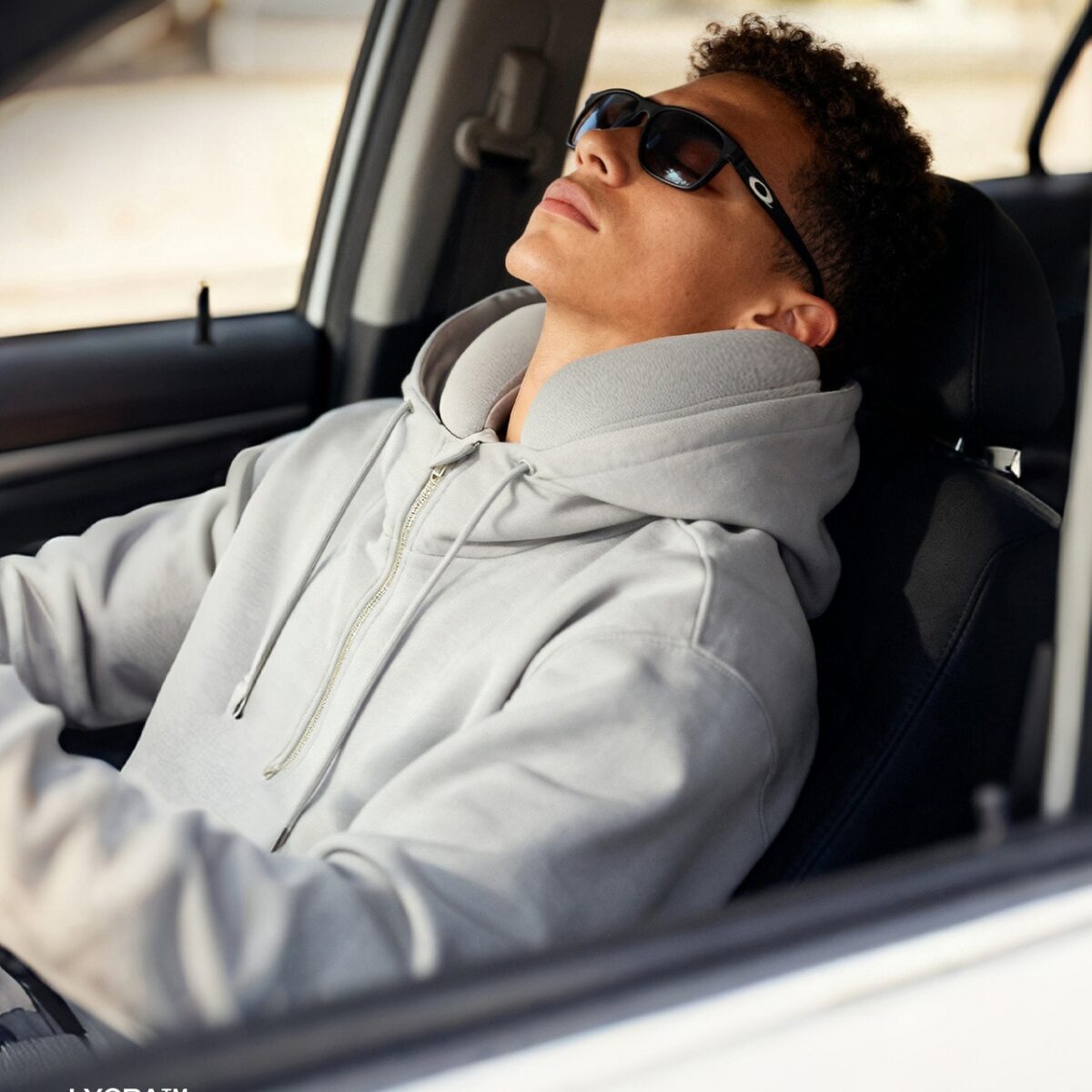
Quick-Drying Clothing represents an intelligent creation of textile engineering designed for effective moisture management. Unlike traditional fabrics such as cotton, which absorb significant amounts of water and take longer to dry, Quick-Drying Clothing allows wetness to be transported away from the skin and evaporated more rapidly. These garments are essential in sportswear, outerwear, military uniforms, travel clothing, and professional workwear. The technology behind Quick-Drying Clothing involves considerations of fiber properties, fabric construction, moisture movement mechanisms, heat and mass transfer, and standardized testing methods.
The human body produces sweat due to physical activity or elevated temperatures. If moisture remains on the skin, it can cause discomfort, reduce thermal efficiency, encourage bacterial growth, and increase chafing or skin irritation. Quick-Drying Clothing addresses these challenges by moving moisture away from the skin, dispersing it through the fabric, and enabling its rapid evaporation into the surrounding environment.
Historical Development
Moisture management in textiles began to receive major consideration in the mid-20th century, during the period of commercial development of synthetic fibers, particularly nylon and polyester. Prior to synthetic fibers, garments were composed predominantly of cotton, wool, linen, or silk—materials that provided good insulation and comfort but did not have any effective characteristics for managing moisture. For instance, cotton has a great water absorption capacity and therefore remains wet for a long time when subjected to high-intensity activity.
Hydrophobic fibers such as nylons and polyesters are the basis for modern quick-drying fabrics. Earlier applications were less successful since hydrophobicity does not necessarily mean that the moisture management will be effective. The real breakthrough came about in the 1980s when textile engineers started designing fibers with special cross-sectional shapes, surface grooves, and finishes, therefore enhancing capillarity and facilitating wicking. Products under different brands like DuPont’s Coolmax, Nike’s Dri-FIT, Adidas Climalite, and Under Armour HeatGear, among others, have made these technologies available for athletics and outdoors markets. Military applications adopted quick-drying fabrics for use in operational activities over diverse climatic conditions.
Fiber Composition
Fiber selection is fundamental in determining the drying performance of a fabric. The primary fibers used in quick-drying clothing include polyester, nylon, polypropylene, and treated natural fibers such as Merino wool and bamboo viscose.
| Fiber Type | Moisture Regain (%) | Hydrophobicity | Typical Application |
|---|---|---|---|
| Polyester | <1 | High | Sportswear, travel apparel |
| Nylon | 4-5 | Moderate | Hiking pants, outdoor gear |
| Polypropylene | ~0 | Very High | Thermal underwear, base layers |
| Merino Wool | 16-18 | Moderate | Cold-weather base layers |
| Bamboo Viscose | 11-13 | Moderate | Casual wear, sleepwear |
Hydrophobic fibers minimize water absorption, allowing moisture to remain in the inter-fiber spaces and facilitating rapid evaporation. Polypropylene has negligible moisture regain, making it the fastest drying synthetic fiber. Polyester is widely used for its combination of hydrophobicity, durability, and ease of manufacturing. Merino wool, although more hygroscopic, provides thermal insulation even when wet, making it suitable for cold-weather activities.
Fabric Structure and Moisture Transport
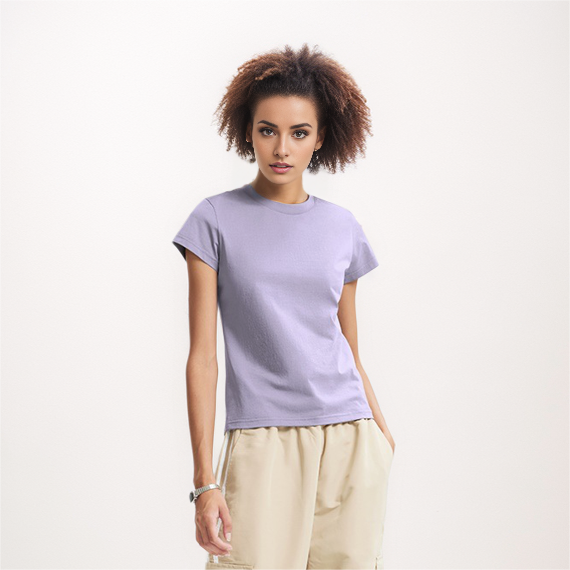
Moisture transport is highly influenced by the structure of fabrics, and fabrics may be woven, knitted, or non-woven. Woven fabrics have high durability and wind resistance, but mostly slow drying because of their compact structure. Knitted fabrics possess greater elasticity that permits air flow, assisting drying performance. Non-woven fabrics are used for specialty applications as disposable moisture management layers.
Capillary action, diffusion, and evaporation are the dominant means of moisture transport. Fine denier fibers increase the surface area as well as create many capillary pathways, hence rapid wicking. Fabrics made from micro-grooved fibers or multi-channel cross-sections further assist in directional moisture movement, which means faster distribution to the outer surface. Layered designs, mostly found in technical apparel, combine inner wicking layers with outer breathable layers that try to optimize drying while still keeping mechanical strength.
Mechanisms of Evaporation
Evaporation depends on the transition of water molecules from liquid to vapor, which is influenced by surface area, airflow, temperature, and relative humidity. Fabrics with open-weave structures increase exposure of water to air, accelerating evaporation. Evaporation is endothermic; it absorbs heat from the skin and fabric, producing a cooling effect. This phenomenon is beneficial in hot conditions but must be managed in cold environments to prevent excessive heat loss.
Heat and Mass Transfer
Effective quick-drying fabrics balance heat and mass transfer. Moisture is transported from the skin to the fabric surface via capillarity and diffusion. Heat is transferred from the body and ambient air to provide the energy needed for phase change. Thermal conductivity, fabric thickness, and fiber composition all affect drying rate. Advanced textile engineering employs computational models to optimize these parameters for maximum drying efficiency.
Testing and Measurement
Performance evaluation of quick-drying fabrics involves several standardized tests:
-
Vertical Wicking Test: Measures the height that water rises along a vertically positioned fabric strip over time.
-
Drying Rate Test: Saturated fabric samples are exposed to controlled airflow and temperature; drying time is recorded.
-
Moisture Management Test (MMT): Assesses absorption rate, spreading speed, and overall moisture movement through fabric layers.
-
Thermal Manikin Testing: Simulates human perspiration and evaluates thermal comfort and evaporative cooling.
-
Infrared Imaging: Visualizes moisture distribution and evaporation across fabric surfaces.
These tests provide quantitative metrics for comparing different fibers, fabric constructions, and finishing treatments.
Quick-Drying Technologies Across Brands
| Brand | Technology | Key Features |
|---|---|---|
| Nike | Dri-FIT | Microfiber polyester with engineered channels for capillary wicking |
| Adidas | Climalite / Climacool | Layered fabrics with ventilated panels for airflow and moisture dispersion |
| Under Armour | HeatGear | Polyester-elastane blends for stretch and hydrophobic wicking |
| Columbia | Omni-Wick / Omni-Freeze | Capillary action with evaporative cooling properties |
| Patagonia | Capilene | Recycled polyester with antimicrobial treatment |
While proprietary terms differ, all technologies rely on hydrophobic or partially hydrophilic fibers, engineered capillarity, and surface treatments to optimize drying rates.
Applications
- Sportswear and Activewear
Quick-drying fabrics enhance comfort and performance in high-intensity sports. Moisture-wicking base layers prevent sweat accumulation, reduce chafing, and maintain thermal balance. Compression garments combine mechanical support with moisture management to optimize endurance and recovery. - Outdoor and Mountaineering Apparel
Hiking, climbing, and skiing expose wearers to environmental moisture. Quick-drying garments prevent hypothermia and maintain comfort by rapidly moving sweat or rainwater away from the skin. Layered systems pair wicking base layers with insulating or breathable outer layers for environmental adaptability. - Military and Tactical Clothing
Operational efficiency in diverse climates depends on rapid moisture management. Quick-drying fabrics enhance mobility, reduce weight load, and mitigate risks associated with cold exposure. Dual-layer garments often integrate nylon-polyester blends with water-repellent finishes. - Travel and Everyday Clothing
Travel apparel benefits from lightweight, wrinkle-resistant, and fast-drying properties. Quick-dry shirts, trousers, and underwear reduce laundry frequency and improve hygiene. Antimicrobial finishes inhibit odor during prolonged wear. - Workwear
Healthcare, food service, and manufacturing workers require garments that remain dry and hygienic during high-movement tasks. Quick-drying fabrics contribute to occupational safety, comfort, and productivity.
Misconceptions
-
Waterproof does not equal quick-drying: Waterproof coatings prevent external water entry but can trap internal moisture. Breathable, quick-dry fabrics allow vapor escape while repelling rain.
-
Thick fabrics are not always slower: Fabric construction and fiber selection may enable thicker garments to dry faster than poorly engineered thin fabrics.
-
Hydrophobicity alone is insufficient: Capillary channels and surface treatments are required for efficient moisture transport.
Sustainability Considerations
Environmental concerns are growing regarding petroleum-based synthetic fibers. Recycled polyester (rPET), Tencel, and bamboo viscose offer sustainable alternatives with moisture management properties. Certifications such as OEKO-TEX, Bluesign, and Global Recycled Standard ensure responsible production practices. Advances in low-water dyeing and biodegradable fibers further enhance environmental performance.
Care and Maintenance
Proper care preserves quick-drying functionality:
-
Wash in cold or lukewarm water.
-
Avoid fabric softeners, which block capillary action.
-
Air-dry or tumble-dry on low heat.
-
Avoid bleach unless specifically recommended.
-
Store garments in a dry, ventilated environment.
Future Trends
Research focuses on:
-
Nano-engineered fibers with enhanced hydrophilicity or directional wicking.
-
Smart textiles that respond dynamically to temperature and moisture.
-
Integration with wearable sensors for real-time physiological monitoring.
-
Advanced coatings that combine water repellency with vapor permeability.
Moisture management clothing is where fiber science, fabric engineering, and thermodynamics meet. Through proper choice of fibers, optimized capillary networks, and control over heat and mass transfer, garments can be developed that would ensure good moisture management with comfort and support for performance in a wide domain of applications. From sportswear to outerwear; military uniforms to everyday commuter wear: quick-drying fabrics enhance thermal regulation, hygiene as well as convenience; always improving their usability through technology yet continuously assessed for ecological sensitivity – a critical aspect in contemporary apparel design.