



In today’s fast-paced society, traditional clothing is no longer sufficient for people’s increasingly diverse needs. Functional clothing has become more frequent in the public eye and has taken a significant role. From the professional athlete’s competition equipment, to the sports enthusiast’s travel attire, to the special job attire of various occupations, functional clothing is changing the value and purpose of clothing through its unique performance.
Definition of functional clothing
Functional clothing is not a traditional form solely intended to protect the body and maintain warmth. It’s a new product that revolves around the integration of modern technology and fashion design. Based on meeting the basic requirements of clothing, it specializes in providing functionality to it. Whether it’s warm clothing that maintains body temperature in cold environments, waterproof jackets that can withstand wind and rain, or intelligent clothing that can surveil body information, all of this is considered functional clothing. Its core is adding practical value to the wearer through innovative materials, unique design, and advanced technology, and addressing practical issues in specific situations.
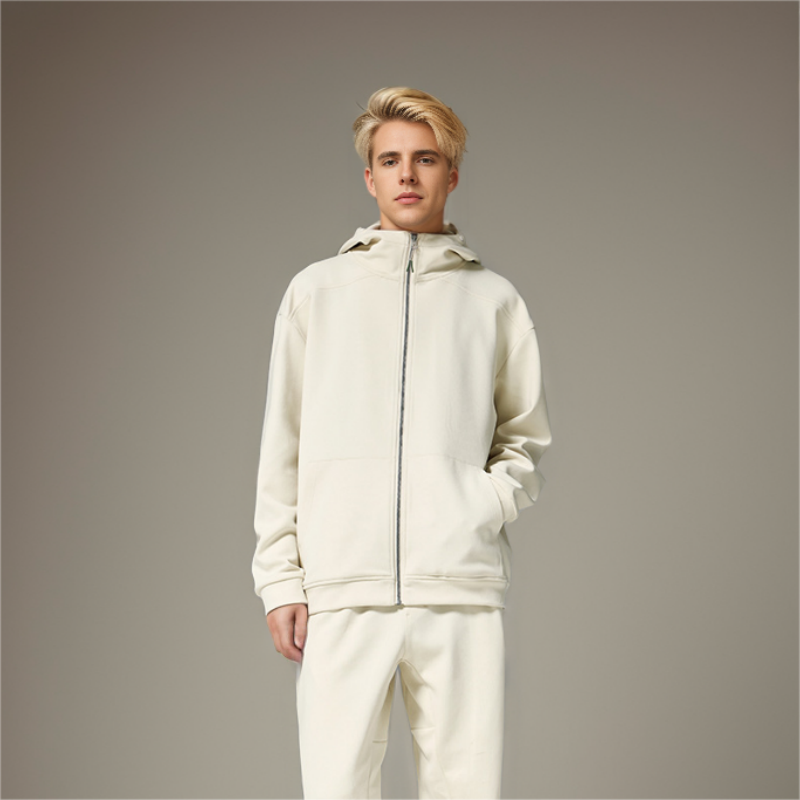
The attributes of functional clothing
- Innovative materials
The benefits of functional clothing are primarily derived from material development. Use the fabric’s name, Gore-Tex, to explain. This material epoch-makingly waterproofs and breathes, having over 1.4 billion micro-pores per square centimeter of coverage. The diameter of the micropores is 20,000 times smaller than the size of water droplets, which prevents rainwater from entering. Additionally, it is 700 times larger than water vapor molecules, which ensures that human sweat will be discharged easily, achieving a perfect harmony between waterproofness and breathability. Additionally, fabrics that contain silver ions can effectively inhibit the growth of bacteria and reduce the generation of odors due to the antibacterial properties of silver ions. They’re frequently employed in sportswear and underwear. Phase change materials can take in or release heat based on the change in body temperature of the wearer; they will maintain the stability of the wearer’s temperature, and are appropriate for use in clothing that experiences a significant difference in temperatures. - Distinctive design
The ergonomic design of the clothing is a notable feature of functional design. Sportswear employs a three-dimensional design that cuts or attaches to the body at specific locations to facilitate movement and reduce the sensation of restraint, additionally, it improves flexibility. For instance, professional cycling clothing is thickened and specifically designed to have a buttock-like appearance and function; this clothing provides support and promotes movement during cycling. Other functional designs are also in fashion. Outdoor clothing is often equipped with multiple compartments of different sizes and functions, which are beneficial for storing maps, compasses, and water bottles; some jackets also have removable liners or hats, which can be altered based on the weather. - Technology Assimilation
With scientific and technological advancements, more advanced technologies are being incorporated into functional clothing. The built-in sensors in smart clothing can detect health information like heart rate, blood pressure, and steps taken during exercise in real time, this information is then transmitted to a mobile phone app via Bluetooth or other wireless technology, this information helps the wearer understand their physical state and develop a scientific exercise and health management plan. Heating clothing employs electric technology for heating that is activated by a battery to provide warmth to the wearer, This is particularly beneficial for environments that have a cold temperature or special jobs.

Different types of functional clothing
- Sports-related clothing
Functional clothing that focuses on sports performance and provides comfort is called sports functional clothing. Running clothing employs quick-drying fabrics that are capable of quickly absorbing and evaporating sweat, these fabrics also have the property of keeping the body dry, additionally, clothing for athletic activities like football and basketball focuses on elasticity and safety. Stretchy fabrics that are elastically flexible can conform to the body’s curves and facilitate quick movement. Protectionary pads are incorporated into vulnerable areas like the elbows and knees to reduce the incidence of collision injuries. Additionally, compression sportswear promotes blood flow, alleviates the effects of fatigue, and increases endurance through moderate pressure on the muscles. - Functional clothing that is outdoors.
The external environment is complex and mutable, and the demands of clothing are exceedingly high. Mountaineering clothing employs fabric that is windproof, waterproof, and breathable to effectively resist strong winds, heavy precipitation, and low temperatures. Additionally, it has a beneficial odor that prevents the body from出汗. Hiking outfits are characterized by a lightweight design and the capacity to resist wear. While decreasing the burden, it can still deal with the rough terrain’s friction, such as thorns and rocks. Camping clothing is focused on keeping warm, it is filled with top-notch down or synthetic fibers that provide warmth to campers on cold nights. - Functional clothing that is protective. Functional protective clothing is primarily employed to shield the wearer from various hazards. Firefighters’ clothing that is resistant to flames employs materials that prevent the propagation of flames in high-temperature environments and preserve the lives of those involved; medical personnel’s clothing that is reflective employs strips that enhance the visibility of workers in low-light environments and diminish the risk of traffic accidents.
- Constant daily wear of functional clothing.
Daily functional clothing incorporates practical abilities into daily living. Summer’s anti-ultraviolet clothing employs special fabrics that can effectively block ultraviolet rays and preserve the skin from sunburn; daily clothing that is antibacterial and deodorizing provides those in the business world with a natural alternative to chemical repellents that are necessary for outside activities.
The various applications of functional clothing
- Sports and competition
In the sports world, functional clothing is crucial for athletes to enhance their performance. Professional swimsuits use special fluid dynamics design and fabric to reduce the resistance of the water and facilitate faster swimming. The design of track and field athletic shoes is lightweight, and they use special materials that are highly elastic to provide good support and cushioning. This helps athletes to have a better result. For those who simply enjoy sports, functional clothing can also enhance the experience of sports and increase their passion. - Sports and Adventures in the Outdoors
Outdoor sports and recreational activities are fraught with difficulty, and functional clothing is crucial to ensuring safety. In polar journeys, cold-proof clothing that is special and resistant to the severe cold of over 20 degrees below zero is employed. In desert journeys, sun-proof and breathable clothing that is special and prevents heatstroke and sunburn is employed. Additionally, outdoor clothing that employs GPS and communication technology ensures the safety of travelers in faraway areas. - Labor and Occupation
Different occupations require different types of clothing that are functional. Protective clothing in the chemical industry has anti-corrosion and anti-penetration abilities that are intended to protect workers from chemicals. When law enforcement officers are on duty on the road, reflective vests and waterproof jackets will guarantee their safety and efficiency in various weather conditions. For power workers, insulating clothing is employed that prevents electric shock incidents and ensures safety. - Health and Medical
Functional clothing has tremendous potential in the healthcare field. Smart clothing that is monitored by doctors can collect patients’ physiological information in real time. This information is useful for doctors’ diagnosis and treatment, and is particularly suited for the daily management of patients with chronic diseases. Auxiliary clothing that promotes recovery and the restoration of body functions is particularly helpful for patients who participate in rehabilitation training.
Functional clothing’s development is noted in both high-end and low-end markets.
- Intelligent evolution
Future iterations of functional clothing will have a more intelligent design. Other than the existing health monitoring function, clothing may include additional sensors that measure additional physiological properties like blood sugar and oxygen. These properties are monitored in real time, and a disease warning function is available. Additionally, the association of clothing with smart homes and cities will become common, for example, the temperature of clothing will be automatically adjusted to match the interior temperature, or it will automatically beep and inform you of the location in case of an emergency. - Sustainable development
The increased environmental awareness has led to a greater importance of sustainable development as a direction of functional clothing development. Increasingly, brands have begun to utilize environmentally friendly, recyclable materials to create clothing that reduces pollution in the environment. During the manufacturing process, the implementation of energy-saving and emission reduction technologies will become commonplace, as will the carbon footprint of clothing production be reduced by optimizing production processes and utilizing clean energy. - Personalized customization
Consumers are increasingly interested in personalization, and the customization of functional clothing to a personalized degree will become commonplace. Through the use of 3D printing technology and body-scanner equipment, brands can provide consumers with custom functional clothing that not only adheres to the exact size but also allows consumers to choose specific functions and design styles that are tailored to their personal needs, which satisfies the unique experience of wearing clothing.
How to select appropriate functional clothing
- Define the scenario that clarifies the usage of the product.
The first step in selecting functional clothing is to define the scenario for which it is intended. If you’re exercising at a high intensity, you should focus on sportswear that dissipates sweat quickly, dries well, and has good elasticity. If you’re planning to hike outdoors, waterproof, windproof, and warm outdoor clothing is necessary. When doing special jobs, you should choose protective clothing that is appropriate for the job and safe. - Take note of materials and quality
The substance affects the success of functional clothing. When selecting, you must understand the attributes and purposes of the fabric. Additionally, product quality is of paramount importance. Ensure that the clothing has certification marks that are relevant to its design, such as waterproof and breathable certification for clothing that is intended for outdoors, safety certification for protective clothing, etc. Additionally, feel the feel and comfort of the clothing by touching it and attempting to wear it, and assess the quality of the seams and the smoothness of the zipper. - Think about the brand and reputation.
Famous brands typically devote more resources to research and development, and have a more impressive record of quality and after-sales service. Other consumers’ comments and reviews regarding the brand’s products will help you to understand the reputation of the brand and the actual effectiveness of the product, This will help you to choose appropriate functional clothing.
Future potential of functional clothing
From the innovation of material to the integration of technology, from the fulfillment of specific requirements to the integration into daily life, functional clothing has experienced a remarkable development. With the increasing prevalence of science and technology, as well as the increasing demand for goods and services, functional clothing is likely to lead to additional innovations and significant advances. It will not only enhance its performance and provide greater protection to the lives, jobs, and sports of people, but it will also have new design advances and increased experience, becoming a symbol of the perfect combination of technology and fashion. Whether it’s professionals who specialize in extreme sports or common consumers who take care of their quality of life, they can typically find their ideal purchase in the world of functional clothing. Let’s expect more revelations and alterations caused by functional clothing!